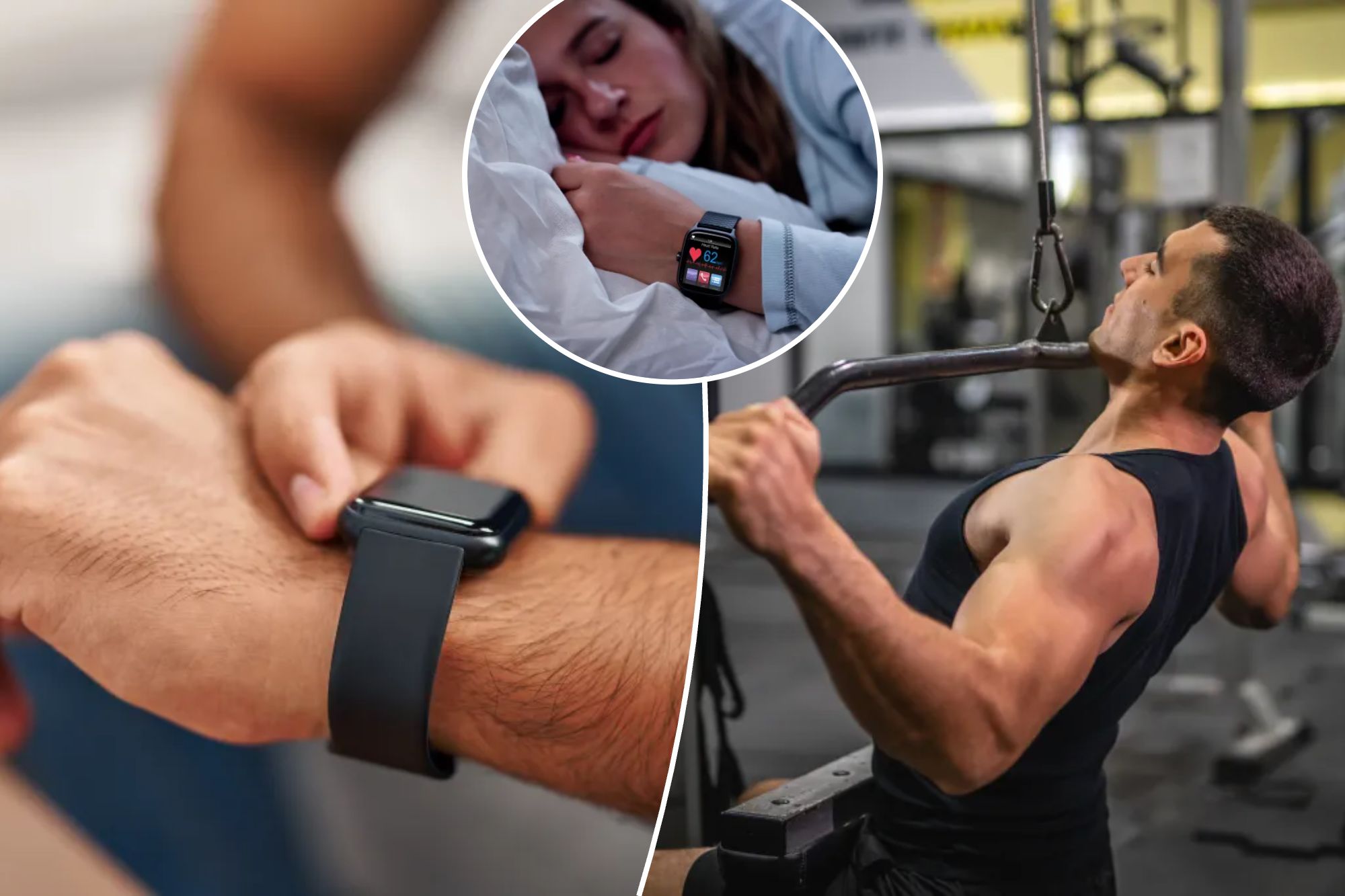
The increasing use of wearable health technology, such as smartwatches and Oura rings, has brought attention to a crucial health metric: heart rate variability, or HRV. Recent studies indicate that approximately one in three adults in the United States actively utilize these devices to track their health. While commonly monitored metrics include blood pressure and daily step counts, HRV provides a deeper understanding of how the body manages stress and recovers from exertion.
Understanding Heart Rate Variability
Heart rate variability measures the small fluctuations in time between consecutive heartbeats. According to Dr. Adam Auerbach, medical director of the Northwell Health Sandra Atlas Bass Heart Hospital, these variations are regulated by the autonomic nervous system, which controls unconscious bodily functions such as breathing and digestion. HRV reflects the balance between the sympathetic “fight-or-flight” response and the parasympathetic “rest-and-digest” response, revealing insights into an individual’s stress levels and adaptability.
There is no universal benchmark for HRV; instead, it is essential for individuals to understand their own HRV and monitor it over time. Generally, HRV declines with age, but Auerbach emphasizes that maintaining a consistent and stable HRV is often more beneficial than simply attempting to increase the number. Collaborating with a healthcare professional can provide further guidance on understanding and improving HRV.
The Implications of Tracking HRV
Tracking HRV can illuminate how well the body is functioning. Auerbach notes that various factors, such as insufficient sleep, lack of exercise, unmanaged stress, and excessive alcohol consumption, can negatively influence HRV. Generally, a higher HRV suggests a relaxed state, where the body can effectively handle stress and recover from physical strain. Conversely, a lower HRV indicates that the body may be in a state of heightened alertness, potentially signaling health issues.
While research on the accuracy and usefulness of HRV tracking is ongoing, Auerbach considers it a valuable tool for assessing how daily life affects both body and mind. He personally tracks his HRV with a commercial device and finds it reasonable for monitoring lifestyle balance. Over time, understanding HRV can help individuals recognize how different aspects of their lives—such as sleep quality, nutrition, and exercise—impact their overall health.
In the short term, HRV can guide decisions during workouts, indicating whether one should push harder or take a step back. Despite the growing interest in HRV monitoring, Auerbach stresses that foundational health practices remain crucial. Focusing on improving sleep, managing stress, and maintaining a balanced diet and exercise routine is essential, even without measuring HRV.
As wearable technology continues to evolve, the insights provided by monitoring HRV may play a significant role in personal health management. By embracing this emerging metric, individuals may gain a better understanding of their health dynamics and foster a more balanced lifestyle.