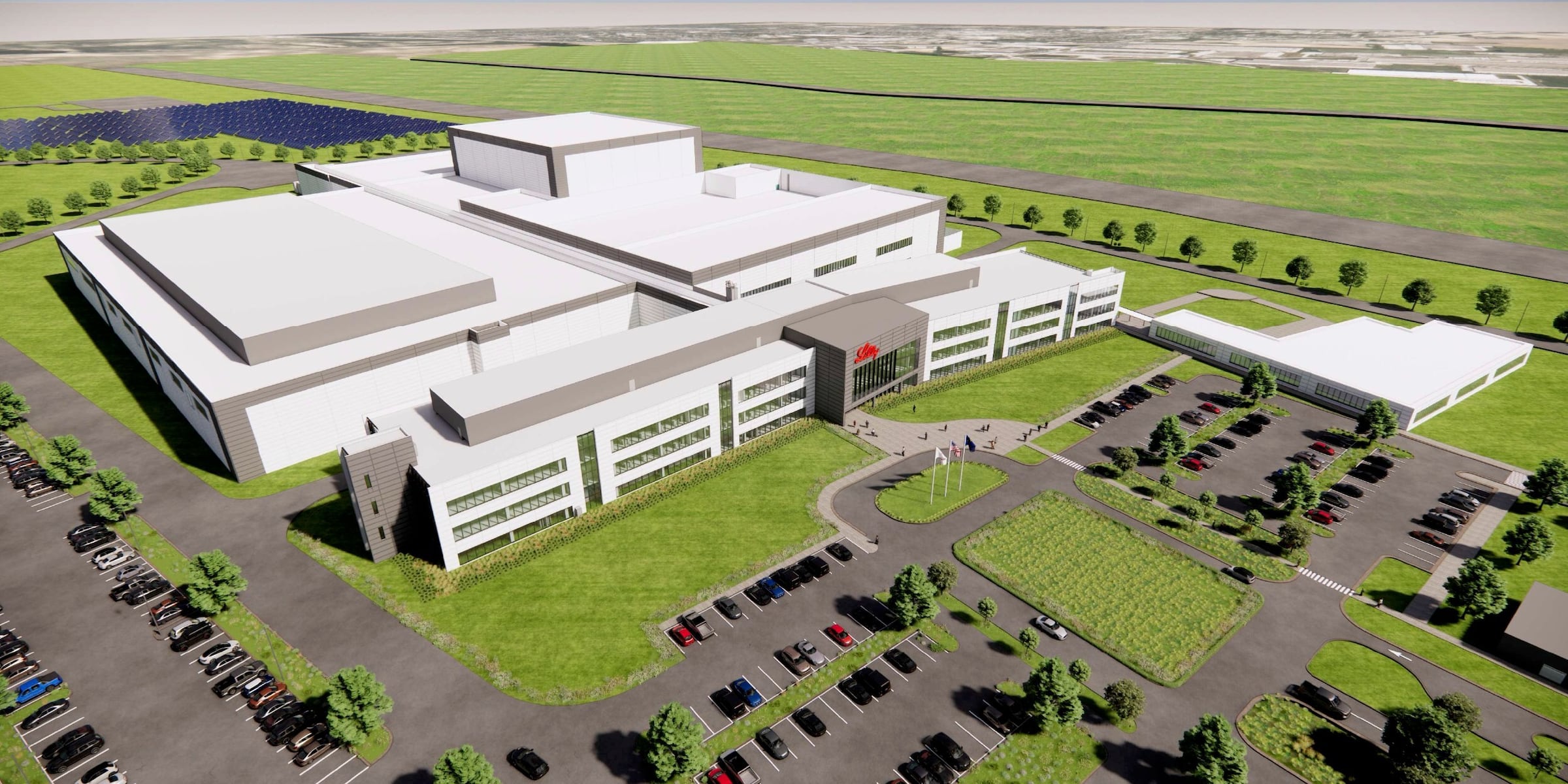
Eli Lilly has announced plans to establish a significant pharmaceutical facility in Upper Macungie Township, Pennsylvania, with an investment of $3.5 billion. This development marks a pivotal moment for the region, which was previously overlooked by the pharmaceutical giant for a major project. Six months ago, Pennsylvania lost out to another state for a similar venture, but Governor Josh Shapiro was determined to engage with Eli Lilly and secure this opportunity.
During a recent announcement, Shapiro revealed that he personally contacted Eli Lilly CEO Dave Ricks to discuss the state’s potential offerings for the company’s next investment. Shapiro emphasized the need to understand Eli Lilly’s requirements and to better position Pennsylvania for future collaborations. The governor described the investment as the largest life sciences initiative in the state’s history and highlighted the substantial economic benefits it would bring to the Lehigh Valley.
Transformative Economic Impact
The proposed plant is one of four multi-billion-dollar facilities Eli Lilly has unveiled as part of a broader $50 billion capital plan. After reviewing over 300 applications, the Lehigh Valley was chosen for its strong workforce and manufacturing history. Speakers at the announcement, attended by more than 200 people, characterized the investment as “once in a generation,” projecting its potential to create approximately 850 jobs directly at the plant.
Ricks outlined that the facility will focus on producing innovative weight-loss medications, including Zepbound and Retatrutide. While Retatrutide is awaiting FDA approval, Ricks expressed confidence in moving forward with the plant. “Our business is about taking risks,” he stated, illustrating the challenges and urgency faced by pharmaceutical companies. He anticipates applying for approval by the end of 2026, with hopes for it to be granted by 2027.
Commitment to Workforce Development
To facilitate this ambitious project, Shapiro announced a commitment of $5 million toward training programs at community colleges and trade schools. This funding aims to equip local workers with the necessary skills for employment at the new facility. Additionally, a new interchange off Interstate 78 is expected to enhance access to the plant, located at 9802 Main St. in Fogelsville.
The state is also providing $100 million in economic development incentives to attract Eli Lilly to the Lehigh Valley. This initiative is anticipated to generate 2,000 construction jobs alongside the permanent roles within the plant. According to Ricks, the average salary for workers at Eli Lilly facilities is approximately $100,000 annually, representing a significant financial uplift for families in the region.
Lehigh Valley Economic Development Corporation CEO Don Cunningham played a crucial role in rallying local stakeholders, including key officials and community leaders, to support the project. Reflecting on the historical significance, Cunningham noted the transformative potential of this plant, which could alter the economic landscape of the area in just a few years.
As the state solidifies its position as a leader in the life sciences sector, Shapiro highlighted that 100,000 Pennsylvanians are currently employed in related fields. Pennsylvania is responsible for producing half of all vaccines in the United States, and its universities rank fourth nationally in life sciences research and development spending.
Ricks emphasized the societal impact of the new medications, stating that they can help combat obesity-related health issues. With seven out of ten Americans classified as overweight, he believes that effective weight-loss treatments could significantly improve overall health outcomes. “If we can arrest obesity in our country, we can change the health outcomes for millions,” he concluded.
The Eli Lilly plant is slated to be operational by 2031, although Ricks expressed optimism about shipping the first pallet of medications from the facility within three years. This ambitious project not only underscores Eli Lilly’s commitment to innovation but also signifies a new chapter for the Lehigh Valley as a hub for pharmaceutical manufacturing and development.