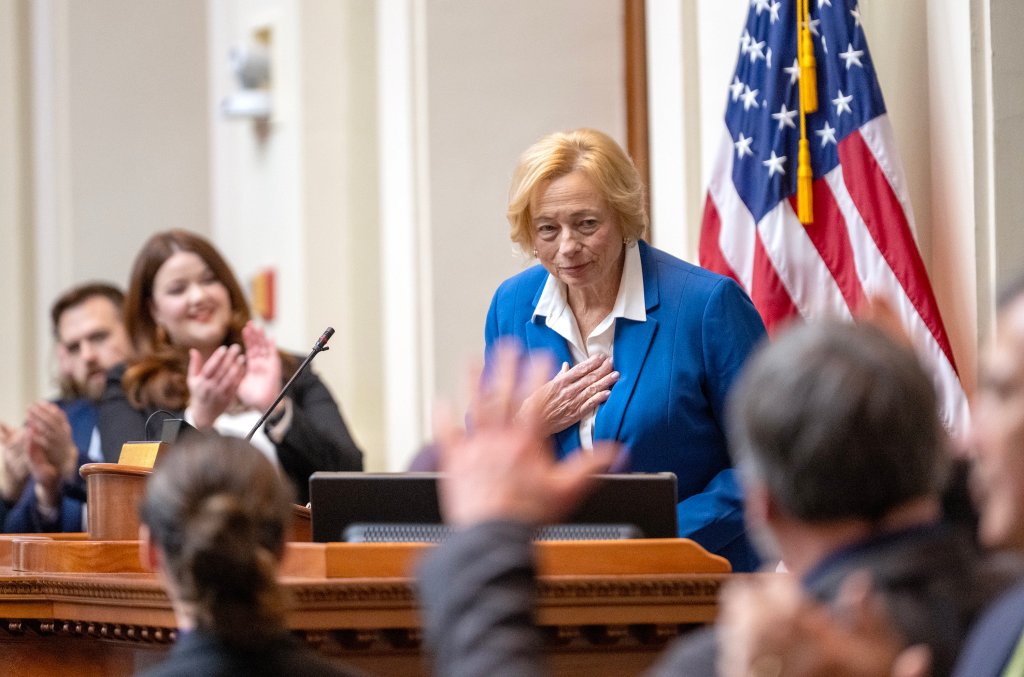
Governor Janet Mills delivered her final State of the State Address to the Maine State Legislature on January 24, 2026, highlighting the ongoing challenges of political discourse in the state. The address, held in the House Chamber in Augusta, underscored the need for increased civility among lawmakers to foster progress in Maine.
During her speech, Mills addressed the “routine tension and oppositionality” that she believes hinders effective governance not only in Maine but across the nation. This atmosphere, she argued, creates barriers that prevent lawmakers from collaboratively addressing pressing issues affecting their constituents.
Emphasizing Collaboration
In her remarks, Mills called for a renewed commitment to respectful dialogue, urging legislators to prioritize cooperation over conflict. She acknowledged the challenges posed by partisanship but emphasized that constructive discussions are essential for achieving meaningful outcomes. “Civility is not just a nicety; it is a necessity,” she stated, reinforcing the notion that respectful engagement can lead to more effective policymaking.
The governor’s address also touched on significant legislative accomplishments during her tenure, including initiatives aimed at improving education, healthcare, and economic development in Maine. By highlighting these successes, Mills aimed to inspire lawmakers to build on existing achievements rather than focusing solely on divisions.
Impact on Governance
The call for civility resonates beyond the walls of the legislature. Citizens across Maine have expressed frustration with the current political climate, often feeling alienated by the divisive rhetoric that dominates public discourse. Mills’ address serves as a reminder that the tone set by political leaders can influence the broader societal context, affecting how constituents interact with one another.
As Mills prepares to leave office, her message emphasizes the importance of creating a political environment where collaboration is valued. Lawmakers have the opportunity to heed her call and work together to foster a more productive and inclusive atmosphere, which could ultimately benefit all Mainers.
The full impact of Mills’ plea for civility within the Maine State Legislature remains to be seen. However, her remarks may serve as a catalyst for change, encouraging both current and future legislators to approach governance with a spirit of mutual respect.
In light of these developments, the future of Maine’s political landscape hinges on the ability of its leaders to embrace civility and cooperation. As the state moves forward, the hope is that a more respectful approach to governance will lead to tangible improvements in the lives of its residents.