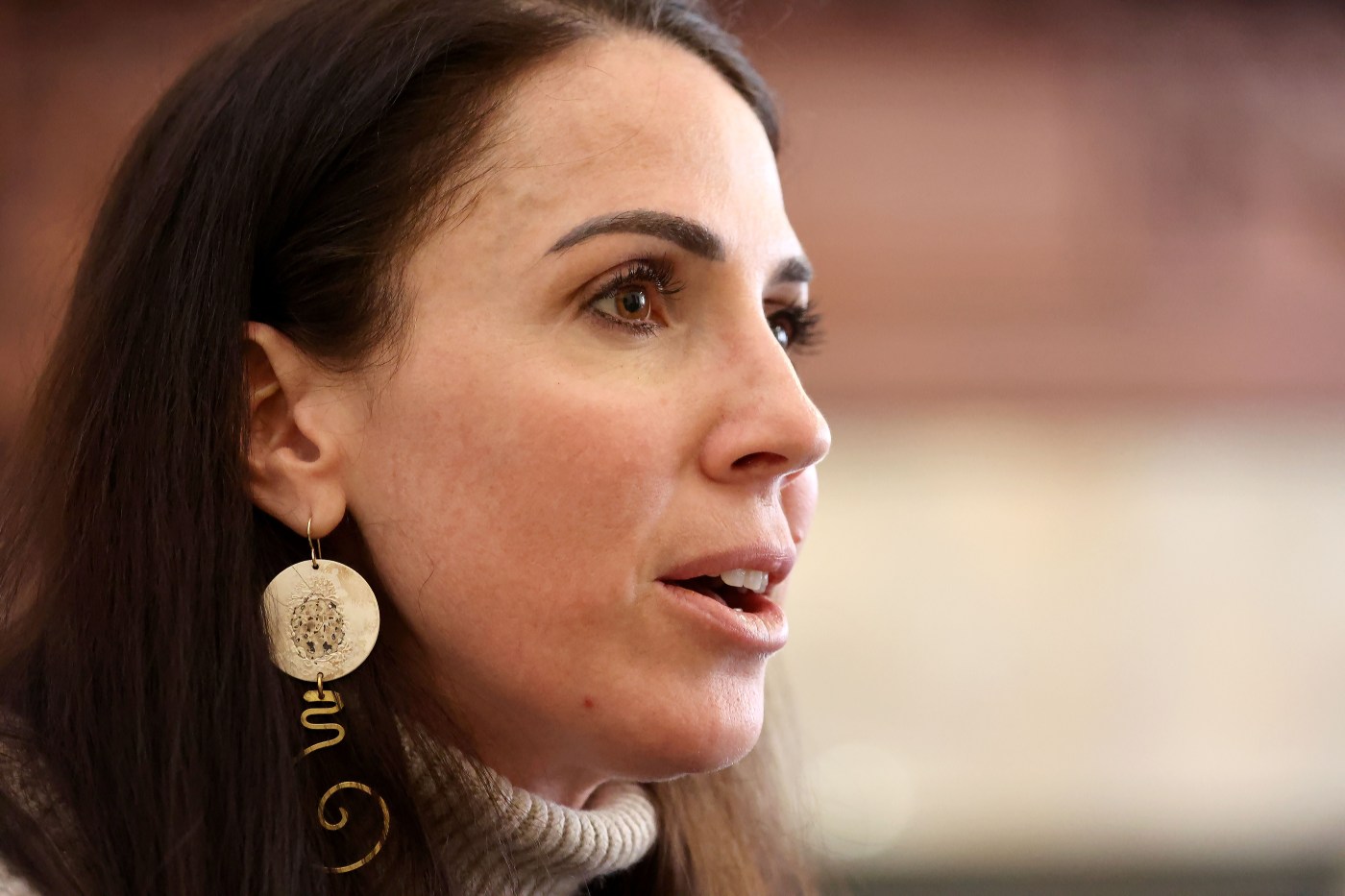
Massachusetts State Auditor Diana DiZoglio has gained unexpected support in her quest to audit the state legislature, with Republican gubernatorial candidate Mike Minogue joining her campaign. Their partnership highlights a significant battle over transparency and accountability within the state’s political framework.
DiZoglio, a Democrat, is striving to audit the financial operations of the Massachusetts Legislature, a power she asserts should extend to the legislative branch just as it does for other state departments and agencies. Currently, the legislature claims it cannot be audited, a position reinforced by key leaders including Senate President Karen Spilka and House Speaker Ron Mariano.
Voter Mandate and Legislative Resistance
The legal dispute over the audit is rooted in a binding resolution approved by 72% of Massachusetts voters on the 2024 ballot. This overwhelming public support came amidst widespread calls for governmental transparency, particularly from politicians like Governor Maura Healey. However, since the resolution passed with a vote tally of 2,282,333 to 906,034, DiZoglio has faced substantial pushback from legislative leaders.
DiZoglio contends that the legislature’s refusal to comply undermines the will of the voters. Furthermore, she has sought legal enforcement of the audit law but has encountered obstacles from Attorney General Andrea Campbell. Campbell has declined to represent DiZoglio in court and has denied her requests for outside legal counsel, raising concerns about the independence of the attorney general’s office.
The tension escalated when the legislature increased Campbell’s budget by $7 million, a move critics have labeled as political favoritism. In a recent interview, DiZoglio accused Campbell and legislative leaders of “political corruption,” suggesting that their actions reflect a disregard for the public mandate for transparency.
Minogue’s Commitment to the Cause
Minogue, a first-time candidate and former executive at Abiomed, a company known for its innovative heart-saving devices, has pledged to support DiZoglio financially in her legal battle. He emphasizes the importance of fulfilling the voters’ mandate for an audit, stating, “This is something we voted for, not payouts and incompetence.” Minogue insists that he will do what it takes to ensure that the audit is conducted, even if it means personally financing the lawsuit.
In his campaign, Minogue has made clear his alignment with DiZoglio’s goals, asserting that the public’s right to know the workings of the legislature should be upheld. He believes that if the electorate voted for the audit, they would support the necessary legal actions to see it through.
The unfolding situation has drawn attention to the intricate dynamics of Massachusetts politics, where the push for accountability clashes with long-standing legislative traditions. DiZoglio remains determined to overcome the barriers placed by the legislature and the attorney general’s office, as she seeks to fulfill her role as auditor in a manner that reflects the wishes of the voters.
As this political drama continues, the implications for transparency and trust in government operations remain a critical concern for Massachusetts residents. With Minogue’s backing, DiZoglio’s campaign for an audit of the legislature may gain renewed momentum, potentially reshaping the conversation around governmental accountability in the state.