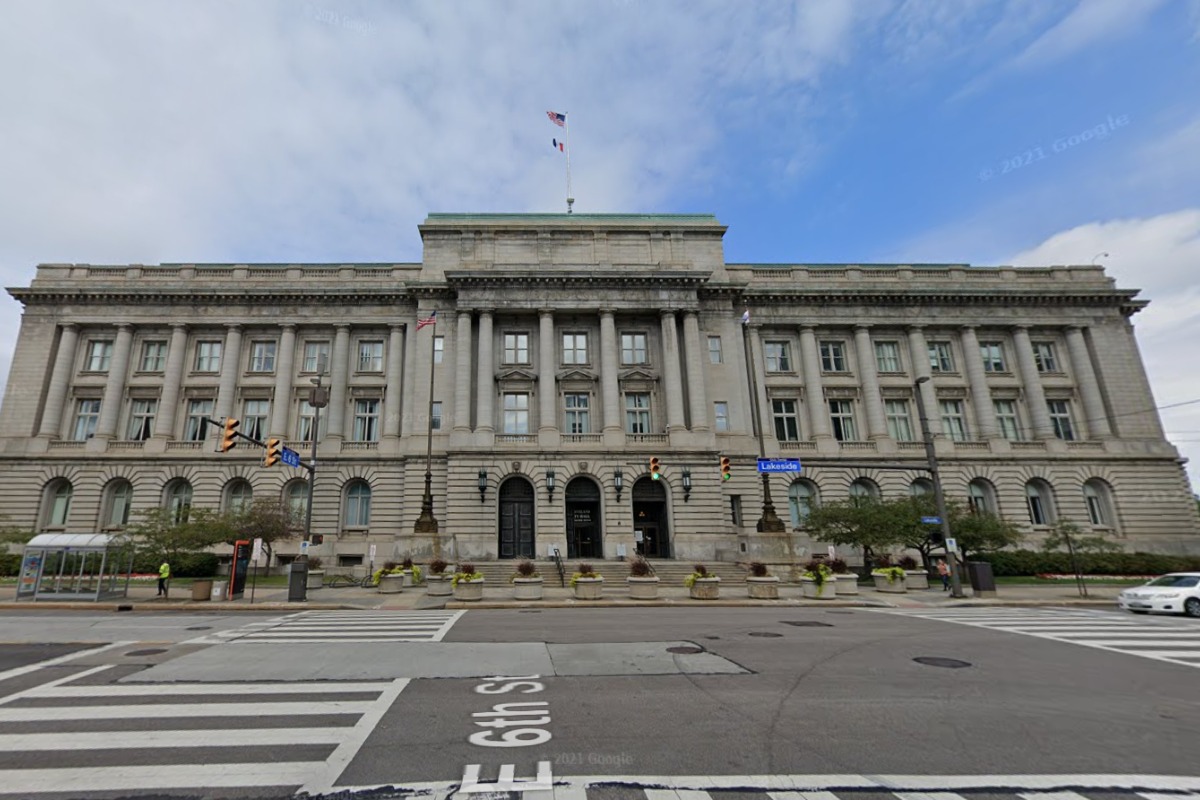
The Cleveland City Council has unanimously passed a groundbreaking piece of legislation known as ‘Tanisha’s Law’, which aims to significantly change how the city responds to mental health crises. The law is named in memory of Tanisha Anderson, who died in police custody in 2014. This new legislation establishes a Bureau of Community Crisis Response designed to provide an alternative to traditional emergency services for mental health-related incidents.
Councilmembers Stephanie Howse-Jones and Charles Slife, along with former councilmember Rebecca Maurer, have been instrumental in pushing this initiative forward. According to a report from Cleveland 19, the law is a culmination of over a decade of advocacy by the Anderson family, particularly Michael Anderson, Tanisha’s uncle. He expressed the family’s relief and hope, stating, “Tonight it’s like a resurrection for the family.”
New Approach to Emergency Calls
The primary goal of Tanisha’s Law is to reduce unnecessary police involvement during mental health crises. The ordinance will allow nonviolent 911 calls to be managed by an office staffed with specially trained dispatchers and licensed social workers. This shift aims to redirect certain calls to behavioral health professionals rather than law enforcement officers.
This initiative is part of a broader effort to reform police procedures in Cleveland. The legislation builds on earlier police reforms that emerged from a Department of Justice (DOJ) investigation in 2014, which identified instances of excessive use of force by the Cleveland Police Department. Training dispatchers to handle mental health calls appropriately is a key aspect of the law, ensuring that trained professionals are available to respond to those in need.
Community Impact and Future Implications
The passage of Tanisha’s Law signals a significant shift in the approach to mental health crises in Cleveland, reflecting a growing recognition of the need for compassionate and appropriate responses to such situations. The law not only honors the legacy of Tanisha Anderson but also aims to create a safer environment for individuals experiencing mental health challenges.
With the establishment of the Bureau of Community Crisis Response, the city hopes to foster a community-based support system that prioritizes mental health care over punitive measures. The implications of this law could set a precedent for other cities looking to reform their mental health crisis response systems, paving the way for a more humane approach to public safety.