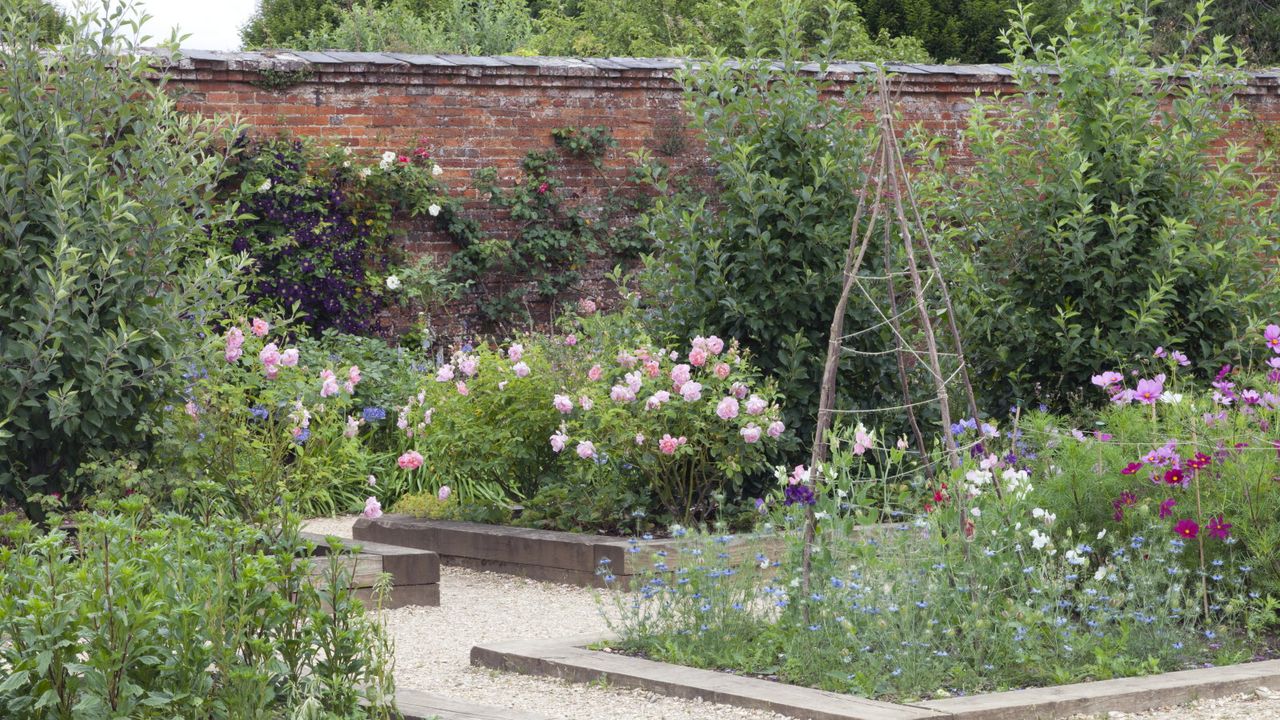
Creating a walled garden can transform any outdoor space into a serene retreat, regardless of size. This traditional design offers a peaceful environment where noise is muted and time feels less pressing. By understanding the principles of shelter, light, and boundaries, anyone can craft a garden that feels intentional and inviting.
The Benefits of a Walled Garden
Walled gardens historically served practical purposes, providing warmth, protection from harsh winds, and an ideal environment for growing fruits and vegetables. They create a microclimate by absorbing heat during the day and releasing it slowly at night. This allows plants to thrive in conditions that might otherwise be unsuitable.
Additionally, walls impose structure, defining edges and creating distinct areas within the garden. This segmentation helps to establish a sense of order and purpose, which can be particularly beneficial in smaller spaces. Enclosed gardens often evoke a calming atmosphere, making them more inviting for relaxation and enjoyment.
Steps to Create Your Walled Garden
1. **Utilize Heat-Trapping Walls**: A south-facing wall is ideal for growing heat-loving plants. Consider using a sunny fence or brick wall to create a microclimate for tomatoes, herbs, or climbing roses. Training wires can help support these plants, allowing them to flourish against hard surfaces.
2. **Incorporate Espaliered Fruit Trees**: Espaliered trees, such as apples or pears, are not only space-saving but also visually appealing. By training these trees flat against a wall, you can enhance air circulation and simplify harvesting. Starting with young, flexible trees can make the training process easier.
3. **Divide the Garden into Rooms**: A successful walled garden is rarely a single, uninterrupted space. Use low walls, hedges, or planters to create distinct areas that serve different purposes. Narrow paths can guide visitors through the garden, enhancing the sense of discovery.
4. **Install Raised Beds for Productivity**: Raised beds are a staple in traditional gardens, offering benefits such as improved drainage and easier access. They also add structure to your garden space. Consider modular raised garden beds for a modern solution to this historic technique.
5. **Maximize Vertical Growing**: Walls can be dressed with climbing plants that add height and visual interest. Options like roses, clematis, and jasmine not only beautify the space but also enhance privacy. Ensure you provide support structures, such as trellises, to help guide their growth.
6. **Create Focal Points**: Drawing from historical practices, incorporate focal points like sculptures or decorative planters to give the garden a sense of order. A single, well-chosen element can provide visual punctuation without overwhelming the space.
7. **Prioritize Comfort and Shelter**: Traditional walled gardens were designed for human enjoyment, featuring comfortable seating areas and sheltered nooks. A simple bench against a warm wall can encourage lingering. Adding subtle lighting can extend your enjoyment into the evening hours.
By embracing these principles, even the smallest outdoor area can become a purposeful and tranquil environment. A walled garden is not merely about physical barriers; it represents a commitment to creating a space that feels intentional and nurturing. With thoughtful planning and the right materials, anyone can enjoy the benefits of a garden that offers both beauty and functionality. Through simple adaptations, your garden can evolve into a personal oasis, providing a backdrop for relaxation and enjoyment.