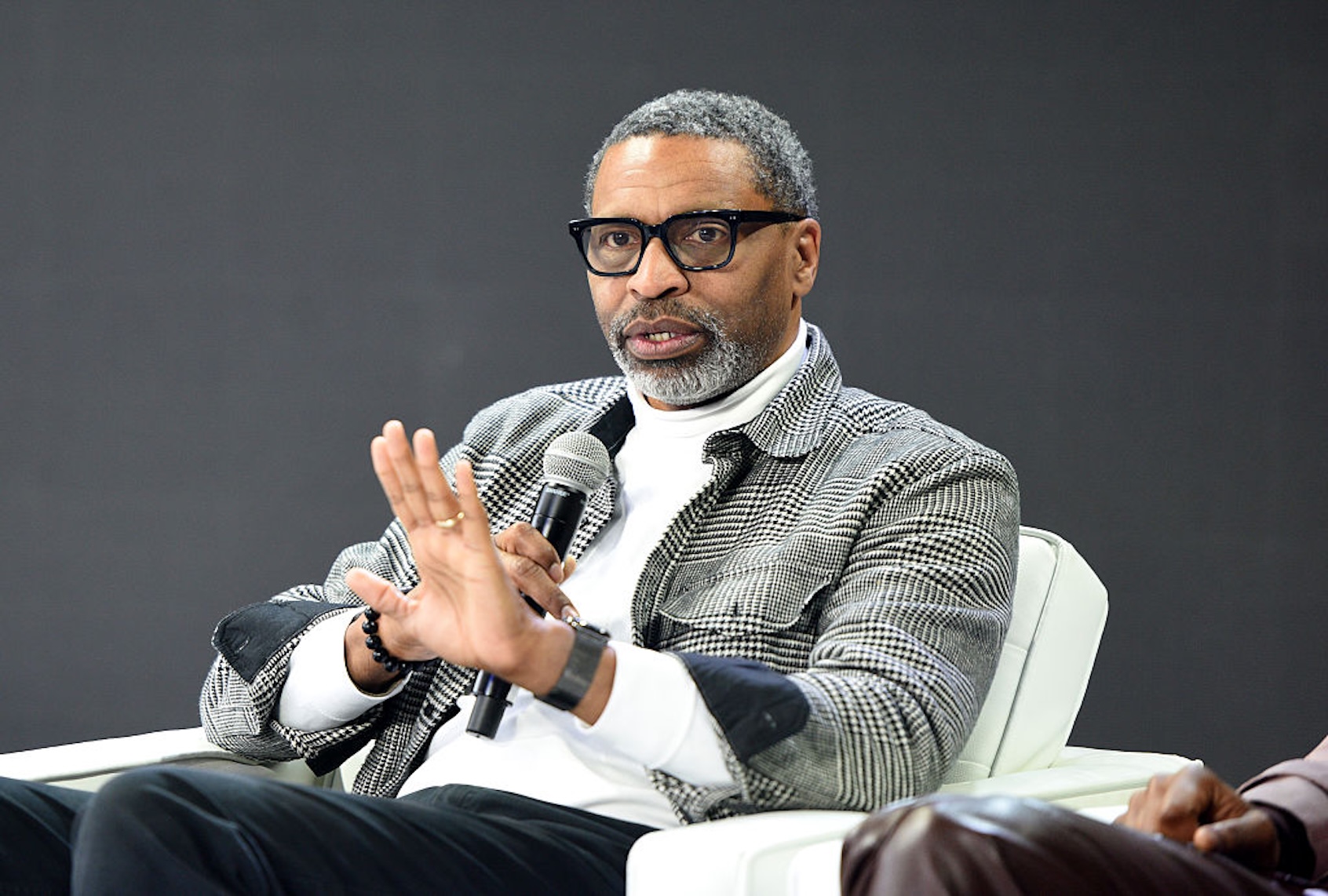
In a candid discussion, Derrick Johnson, president and CEO of the NAACP, expressed concern over the current state of democracy in the United States under the leadership of Donald Trump. He highlighted a troubling trend where the administration is perceived to be undermining the legacy of the Civil Rights Movement, suggesting a systematic effort to revert to a less equitable time in American history.
As the nation observes Black History Month, Johnson articulated a profound sense of mourning. He noted that Trump’s slogan, “Make America Great Again,” effectively translates to “Make America White Again,” reflecting a regression in civil rights advancements. The NAACP, as the oldest and largest civil rights organization in the country, is at the forefront of this fight, aiming to protect and promote democratic values amidst rising authoritarianism.
In conversation with Johnson, the complexity of the current political landscape became evident. He remarked on the disorienting nature of contemporary events, likening the present moment to an alternate universe where technological advancements coexist with increasing restrictions on civil liberties. He stressed the importance of understanding how race and class intersect, asserting that race is often manipulated to divert attention from the real issues affecting all working-class Americans, regardless of their background.
Understanding the Current Political Climate
Johnson elaborated on what it means to be American in today’s context, citing alarming instances of government actions that threaten civil liberties. He referred to Minneapolis, where warrantless searches and aggressive actions by federal agencies like Immigration and Customs Enforcement (ICE) have heightened fears among citizens. “The Constitution applies to everyone,” he stated, underscoring the precarious nature of rights for many individuals, particularly those in vulnerable positions.
He also addressed the role of the NAACP in combating these challenges. With the Republican Party controlling all branches of government, Johnson emphasized the urgency of mobilizing African American voters. He pointed out that African Americans represent approximately 13% of the U.S. population but only accounted for 11% of ballots cast in the 2024 elections. Increasing this turnout is critical to ensuring their voices are heard in shaping the nation’s future.
Additionally, Johnson highlighted the importance of legal action in defending voting rights. The NAACP is actively involved in various legal challenges aimed at protecting constitutional rights, particularly in states like Minnesota where voting integrity is at risk.
Mobilizing Against Authoritarianism
Johnson expressed concern about recent actions taken by the Trump administration, including attempts to interfere with election processes in key states. He pointed to the raid on Fulton County’s election offices, which he characterized as a strategy to undermine democratic processes. “We live in a democracy,” he reminded, emphasizing that the vote is a fundamental right that should not be compromised.
As Minneapolis continues to grapple with the implications of police brutality and federal enforcement actions, Johnson acknowledged the mobilization of diverse communities in response. The killing of George Floyd served as a catalyst for widespread protests, uniting individuals across racial lines. He noted that when these issues affect people who resemble neighbors and friends, the urgency to act becomes more palpable.
In offering advice to those participating in protests, Johnson encouraged perseverance and community support. He recognized the need for individuals to find their roles within the movement, whether on the front lines or in supportive capacities. “Not everyone needs to be on or can be on the front line,” he said, advocating for a collective approach to activism that leverages each person’s strengths.
Johnson concluded by drawing parallels between the current struggle and the enduring legacy of the Civil Rights Movement. He emphasized the necessity of maintaining hope and resilience, reminding listeners that even in the face of adversity, progress is possible. “We can’t go into a fight preparing to lose,” he stated with conviction, reinforcing the belief that a better future is achievable through sustained effort and engagement.
As the nation reflects on its history during Black History Month, the words of Derrick Johnson resonate: the fight for democracy is ongoing, and each individual holds the power to influence the course of history.