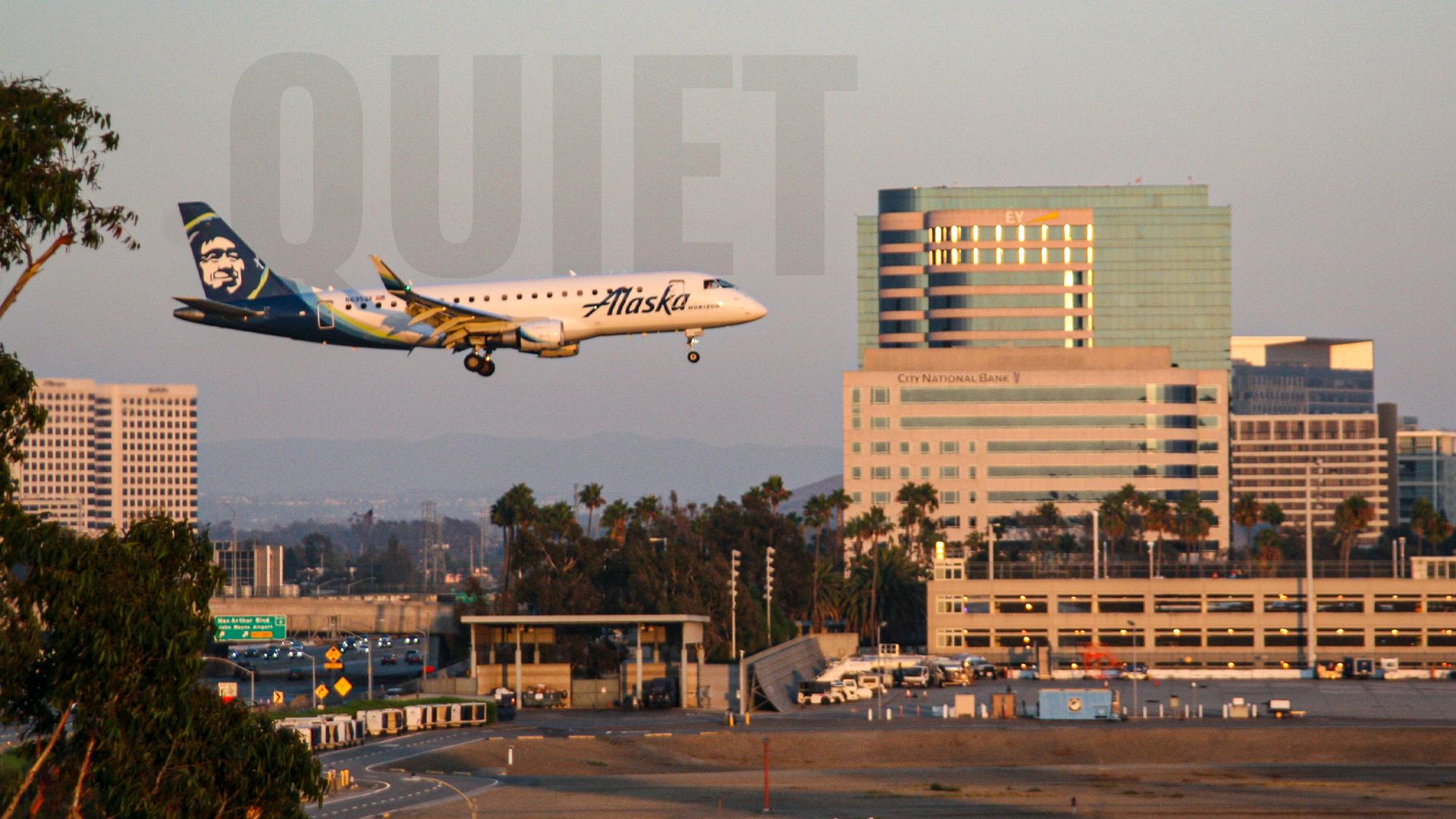
Airports typically generate significant noise, but several major international airports in the United States are actively working to minimize their acoustic impact on nearby communities. These efforts are particularly important as many of these airports are situated in densely populated urban areas where residents seek to maintain their quality of life.
Noise Reduction Initiatives Across Major Airports
While smaller general aviation airports naturally produce less noise, larger international airports are implementing various strategies to mitigate sound levels. Newer aircraft designs, such as high-bypass turbofan engines, are quieter than their predecessors. Nonetheless, airliners still create substantial noise during takeoff and landing, disrupting the lives of those living in proximity to flight paths.
Airports around the world, including some in the United States, have developed specific noise-abatement procedures aimed at lessening their impact. For example, London City Airport enforces steep approach and departure angles and maintains strict night curfews. In contrast, U.S. airports generally have fewer stringent regulations, which can be attributed to the country’s vast number of commercial airports and lower population density compared to regions like Europe.
Many airports in the United States are adopting voluntary programs to address noise issues. The Port Authority of New York and New Jersey, which oversees the three major airports in the New York metropolitan area—John F. Kennedy International Airport, LaGuardia Airport, and Newark Liberty International Airport—has put in place **Fly Quiet Programs**. These initiatives encourage airlines to adopt quieter aircraft and adjust flight paths to avoid residential areas.
At JFK, for instance, the Port Authority has recommended that southbound departures from Runway 31L turn earlier to fly over Jamaica Bay instead of residential neighborhoods in Queens. Such measures aim to reduce noise pollution and improve the quality of life for local residents.
Case Studies: Innovative Approaches to Noise Management
San Francisco International Airport (SFO), a key hub for United Airlines, has developed a unique solution known as the **Noise Insulation Program**. Recognizing the limitations of altering flight paths and procedures, SFO launched this initiative in the 1980s to upgrade noise insulation in homes near the airport. This program has benefited over 15,200 homes, eight places of worship, and seven schools, with a reported 92% homeowner satisfaction rate. The airport defines significant noise as exceeding 65 decibels and conducts assessments to determine the necessary upgrades.
Another example is San Diego International Airport, the busiest single-runway airport in the United States, handling over 200,000 aircraft movements annually. Due to its location, departures from the airport pass over residential neighborhoods. To mitigate noise disturbances, the airport prohibits takeoffs between 23:30 and 06:30, imposing heavy fines on violations. The airport also initiated the **Quieter Home** project, which has refurbished nearly 6,000 homes to reduce noise impact.
John Wayne Airport in Santa Ana, California, has implemented some of the strictest noise abatement procedures in the country. With only one operational runway for commercial airliners, the airport enforces a curfew for departures from 22:00 to 07:00 and prohibits landings between 23:00 and 07:00. This curfew is extended on Sundays until 08:00 to further minimize disturbances. The airport’s unique takeoff procedures, which involve a steep climb after rotation, are designed to lessen noise exposure for nearby residents.
As the demand for air travel continues to grow, the challenge of balancing operational efficiency with community well-being remains critical. Airports are increasingly recognizing the importance of noise reduction initiatives and are taking proactive steps to implement solutions that benefit both their operations and the neighborhoods surrounding them.