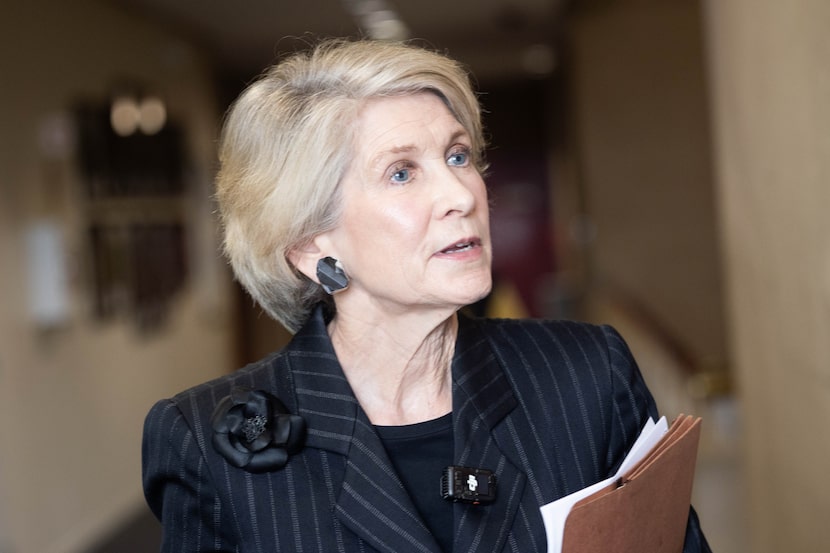
Former Mayor Laura Miller has called for increased involvement of the private sector in addressing homelessness in Dallas. During a recent housing and homelessness committee meeting, she emphasized that support can come from various sources, including faith-based organizations, community groups, and private companies. By engaging these sectors, Dallas could better assist individuals experiencing homelessness, many of whom face challenges often concealed behind closed doors, such as living in motels or vehicles.
Miller highlighted that for too long, the city has primarily relied on non-governmental organizations and taxpayer funding to tackle these complex issues. “I think for a very long time, we’ve always relied on NGOs and the city of Dallas and taxpayer money to deal with these problems,” she told The Dallas Morning News. Miller believes that the untapped potential of the private sector could enhance the city’s resources, particularly for those struggling with mental health issues and substance abuse.
At the meeting, Miller elaborated on a program she developed with members of her synagogue, Congregation Shearith Israel, in 2018. The initiative, known as the Ladder Project, aims to provide mentorship, financial resources, and health support to individuals experiencing homelessness. With nine dedicated volunteers, all in their 60s and 70s, the project was founded on a simple premise: if the congregation could work together to support at least one person off the streets, they could make a significant impact.
“If 1,000 congregant members can’t take one person off the streets of Dallas and stay with them until they’re self-sufficient, then we can’t solve homelessness in America,” Miller said.
In December 2022, the City Council allocated $10 million to Housing Forward, the region’s lead agency, to provide rental assistance and housing support. This funding complements the existing street-to-home program, which successfully housed 250 unsheltered residents in downtown Dallas last year. The latest count recorded 3,541 individuals experiencing homelessness, a decrease from previous years, with the next count set to be released in the coming months.
Miller believes the city could employ additional strategies to help transform lives and is willing to share her team’s findings and templates with others. Notably, the 2020 census identified approximately 3,000 faith-based organizations in the region. She proposed that if each of these groups committed to supporting a single individual, the cumulative impact could be substantial.
The Ladder Project has already made strides, assisting 50 individuals in regaining stability, with around 80% of those helped achieving self-sufficiency. Volunteers work closely with participants, conducting background checks, assessing willingness to work, and evaluating substance abuse history. The primary goal is to secure employment for the individual, followed by locating stable housing.
Miller’s team has collaborated with institutions such as UT Southwestern Medical Center and Presbyterian Hospital to facilitate job support. Once employment is secured, volunteers assist clients in finding housing near their workplaces and cover initial costs. They also leverage donated furniture and pro bono medical and dental services to help stabilize their clients’ lives.
Since the program launched, Miller and her team have invested $192,000, averaging $3,900 per individual. The results underscore the potential effectiveness of community engagement in addressing homelessness, and Miller remains optimistic about the role the private sector can play in this ongoing challenge.