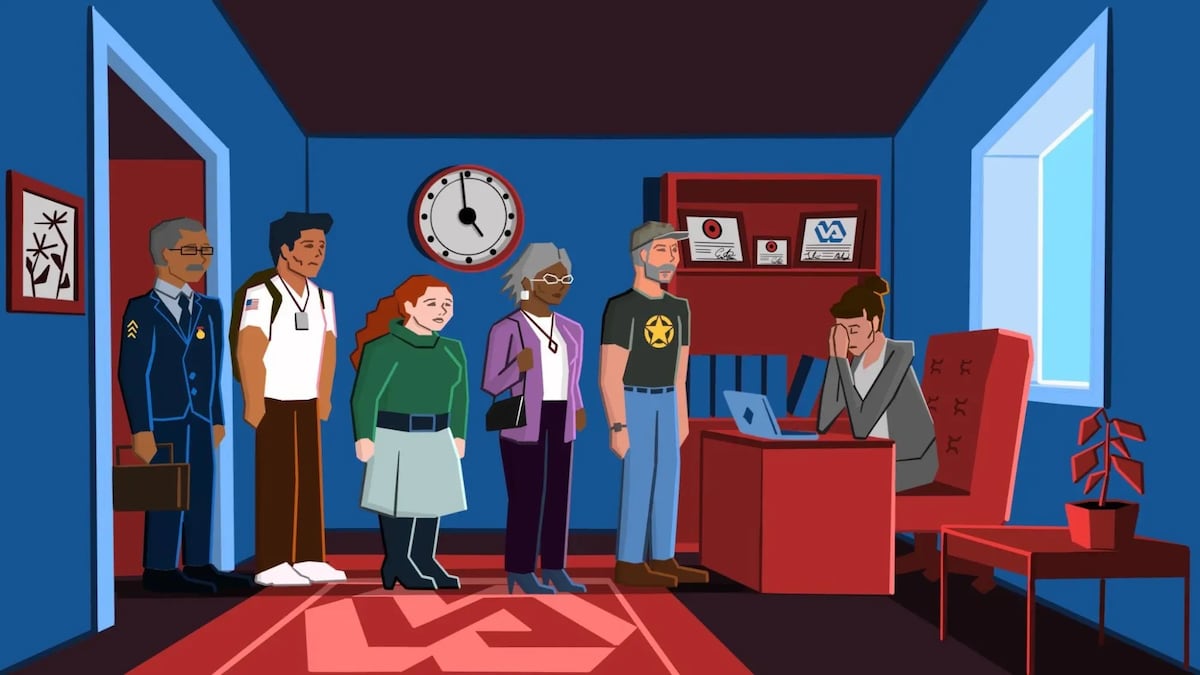
The Department of Veterans Affairs (VA) is confronting a significant crisis as over 4,400 severe staffing shortages have been reported across its facilities, a startling increase of 50% from the previous year. The profession most affected is that of psychologists, who have consistently ranked as the most understaffed clinical position within the agency. With the number of psychologists employed by the VA declining for the first time in over a decade, the agency is facing challenges in delivering crucial mental health care to veterans.
In fiscal year 2025, the VA’s Office of Inspector General indicated that 57% of its health care facilities reported severe staffing shortages for psychologists. Despite mental health care being a top priority for the VA and a rising demand for services — with 2.2 million patients seeking mental health care last year — the agency’s efforts to maintain adequate staffing levels have faltered. Former psychologists, like Laura Grant and Melissa London, have shared their experiences of burnout and disillusionment with the VA’s current approach to mental health care.
Burnout and Staffing Shortages
For many mental health providers at the VA, the feeling of burnout has become increasingly normalized. Grant, who departed the VA after nearly a decade, stated, “I loved my veterans and had the privilege of seeing real change in their lives over time.” However, she noted that “burnout increasingly felt normalized rather than addressed.” The number of psychologists working within the VA dropped by more than 200 positions in 2025, signaling a troubling trend for an agency that has historically emphasized the importance of mental health services.
The VA reports that the issue is not exclusive to its facilities; more than 135 million Americans live in areas lacking adequate mental health professionals. In response, the agency is actively posting job openings for psychologists, with over 400 positions currently available. Nonetheless, many former employees argue that hiring new staff was not prioritized during their tenure. A psychologist from the Bronx VA described a lack of support for securing grants or funding, which ultimately led to their departure.
Changing Work Environment
Psychologists at the VA have indicated that significant changes in workplace dynamics have exacerbated the staffing crisis. Increased pressures to discharge patients quickly and a focus on metrics have shifted the focus away from patient care. London reflected on her experiences, stating, “The staffing shortage was constant, but it was never near as bad as it was in the past year or two.”
A program manager at the Central Virginia VA Health Care System sent an email to staff emphasizing the need to cut down on caseloads due to overwhelming demands. Strategies implemented included limiting treatment durations and ceasing therapy for long-term patients. This approach has frustrated both patients and providers, as it contradicts the core objective of delivering comprehensive mental health care.
Despite efforts from the VA to address staff burnout, such as appointing chief well-being officers, many psychologists remain skeptical about the effectiveness of these initiatives. Some former employees at the San Francisco VA described workplace morale as low, with superficial solutions like social events failing to address the root causes of burnout.
The demand for mental health care continues to grow, yet the VA’s efforts to recruit and retain qualified professionals have not kept pace. The agency has only increased the number of psychologists by 24% since 2016, while the number of patients seeking mental health services has surged by 40% over the past decade.
As psychologists transition to private practice, many express a desire to return to the VA, indicating that a supportive work environment and a commitment to clinician well-being would influence their decision. While some aspects of working at the VA remain rewarding, the current climate has left many feeling disheartened and overextended.
The VA’s staffing crisis highlights the urgent need for systemic changes to support mental health professionals and, by extension, the veterans they serve. Without significant reforms to address these concerns, the agency risks jeopardizing the quality of care provided to those who have served their country.