The landscape of religion in Latin America is undergoing a significant transformation, with a substantial increase in individuals identifying as religiously unaffiliated. A recent survey by the Pew Research Center revealed that over the past decade, the percentage of those known as “nones” has roughly doubled in countries such as Argentina (24% in 2024), Brazil (15%), and Chile (33%). In Mexico, the figure has tripled to 20%, while Colombia and Peru have seen similar increases, with nones reaching 23% and 12%, respectively.
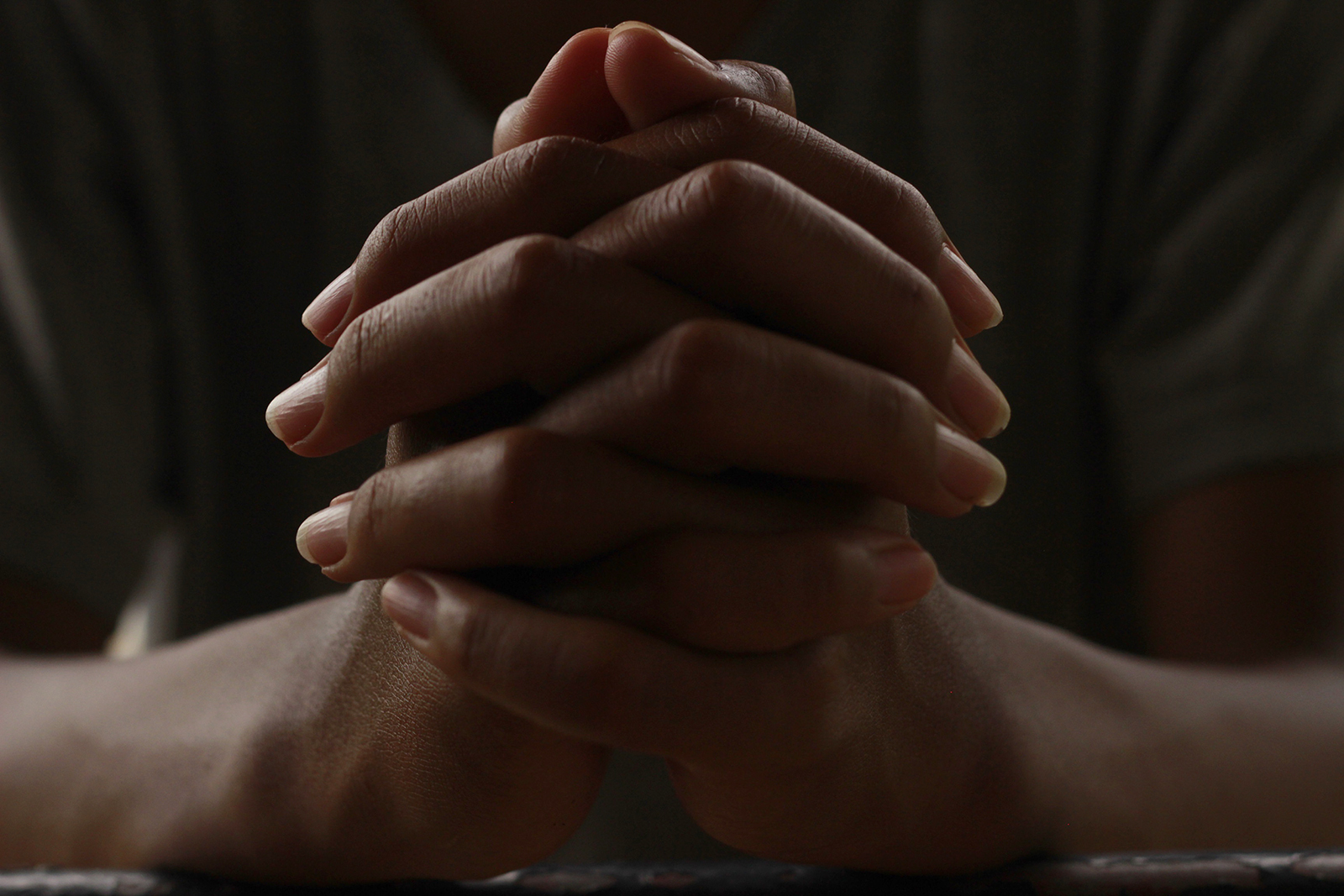
Despite these statistics, many of those who identify as religiously unaffiliated still engage in spiritual practices, blending various traditions in personal and meaningful ways. Individuals like Camile Coutinho, a 28-year-old dietitian from Rio de Janeiro, exemplify this trend. Coutinho’s week includes attending a Baptist church, participating in rituals with an Umbanda priestess, and practicing meditation. Although she prays with traditional Catholic prayers and utilizes spiritual tools like incense and crystals, she identifies as religiously unaffiliated.
Coutinho’s background reflects a common narrative in Latin America, where many individuals grow up in Catholic households yet explore diverse spiritual beliefs. She initially converted to evangelical Christianity during her teenage years. However, as political polarization intensified, particularly with the church’s alignment with former President Jair Bolsonaro, Coutinho distanced herself from organized religion.
Complexity of Belief in Latin America
The category of nones encompasses more than just atheists or agnostics. According to sociologist of religion Gustavo Morello from Boston College, the trend illustrates a broader cultural complexity. In traditional cultures, including Indigenous communities, spiritual beliefs are deeply intertwined with daily life and social structures. Morello notes that after the introduction of Catholicism by European colonizers, many regions lacked sufficient clerical presence, allowing local communities to maintain and adapt their spiritual practices, incorporating Afro-descendant and Indigenous elements.
“For the last 100 years, 9 in 10 Latin Americans believe in something,” Morello stated, emphasizing that the notion of adhering strictly to one religion is a concept primarily rooted in North Atlantic cultures. Surveys often fail to capture this intricacy, as many people describe their faith in personal terms, blending various spiritual traditions while identifying as Catholic.
In contrast to trends observed in European countries, the Pew Research Center found that religiously unaffiliated individuals in places like Brazil and Colombia are more likely to express belief in God, engage in daily prayer, and consider religion important in their lives. Flavio Senra, a religious studies professor at the Pontifical Catholic University of Minas Gerais, highlighted that Latin American spirituality often transcends formal religious doctrines, embracing diverse experiences and beliefs.
Freedom to Explore Spirituality
The increase in individuals identifying as nones does not indicate a rise in atheism or agnosticism, which remains a small fraction of the population. Instead, it reflects a growing freedom to explore beliefs outside traditional religious institutions. Senra pointed out that a more pluralistic environment allows individuals to express their spirituality without fear of judgment.
This shift is exemplified by individuals like Juan Guevara, a 35-year-old high school philosophy teacher from Bogotá. Raised in a devout Catholic household, Guevara began to question his family’s faith during his teenage years, particularly after encountering Buddhism. He expressed discomfort with the moral integrity of some who adhered fervently to their faith, prompting him to explore alternative spiritual practices. He has participated in Soto Zen and Vipassana meditation retreats and has engaged in ayahuasca ceremonies, appreciating their ethical and communal dimensions without the burden of formal commitment.
Both Coutinho and Guevara represent a larger trend where individuals draw from multiple belief systems, taking what resonates with them while leaving behind elements that do not. Morello noted, “The religion may not be the religiosity that Catholic leaders expect, nor the one Pentecostal pastors want. But it is what the people do. It’s mixed, it’s not pure, it’s imperfect, it’s not orthodox — but it is what people are practicing.”
As Latin America’s spiritual landscape continues to evolve, it offers a rich tapestry of beliefs and practices that reflect both individual journeys and shared cultural histories. The increasing number of nones indicates not only a decline in formal religious affiliation but also a vibrant and diverse approach to spirituality that defies simple categorization.