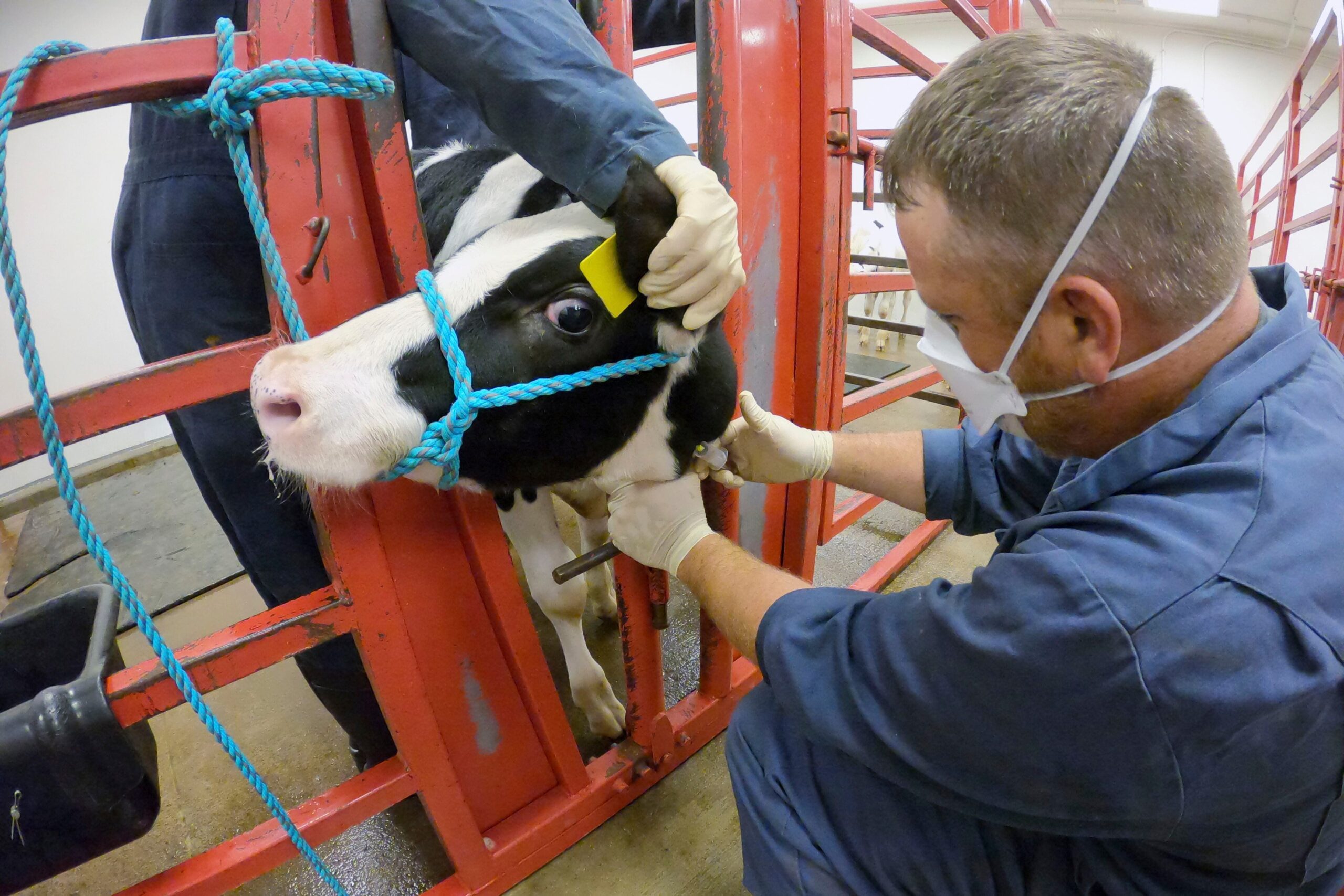
The detection of Highly Pathogenic Avian Influenza (HPAI) in dairy herds has seen a notable decline, according to recent reports from agricultural bodies. This decrease indicates a potential easing of concerns surrounding the impact of the virus on livestock health and the broader agricultural sector.
While HPAI primarily affects poultry, it can also pose risks to other species, including cattle. The recent trend suggests that dairy herds are less affected compared to previous months when detections were more frequent. The United States Department of Agriculture (USDA) noted that active monitoring and biosecurity measures may have contributed to this decline, helping to protect the dairy industry from the virus’s spread.
Understanding HPAI and Its Impact
HPAI is a highly contagious virus that primarily affects birds, particularly poultry. The virus can lead to severe illness and death in affected flocks, prompting significant economic impacts on poultry farmers. Although it is not specific to dairy cattle, its presence in mixed farming operations can complicate management practices.
The Centers for Disease Control and Prevention (CDC) continues to monitor HPAI cases closely. They emphasize that while the risk to the general public remains low, poultry workers and those in close contact with infected animals should remain vigilant. The CDC’s guidance helps ensure that preventative measures are in place to mitigate risks.
Recent reports indicate that the number of HPAI detections has decreased in various U.S. states. For instance, only three cases were reported in March 2024, a significant drop from earlier months when dozens of cases were noted. This reduction is encouraging for both farmers and consumers who rely on dairy products.
Industry Response and Future Implications
The dairy industry has responded proactively to the threat of HPAI. Farmers and agricultural organizations have implemented stringent biosecurity protocols to prevent the virus’s introduction and spread within herds. These measures include limiting access to farms, enhancing sanitation practices, and monitoring animal health closely.
Experts believe that continued collaboration between farmers, government agencies, and health organizations will be essential in maintaining this positive trend. The USDA and CDC are working together to provide resources and support to farmers, ensuring they have the latest information and tools to combat HPAI effectively.
As the situation evolves, stakeholders in the livestock industry remain committed to safeguarding animal health and ensuring a stable supply of dairy products. The decline in HPAI detections is a positive sign, but ongoing vigilance will be crucial to prevent future outbreaks and protect both animal and public health.
In conclusion, the recent downturn in HPAI detections within dairy herds highlights the effectiveness of preventative strategies in mitigating the virus’s impact on agriculture. As the industry continues to adapt, the focus will remain on maintaining biosecurity and safeguarding the health of livestock across the board.