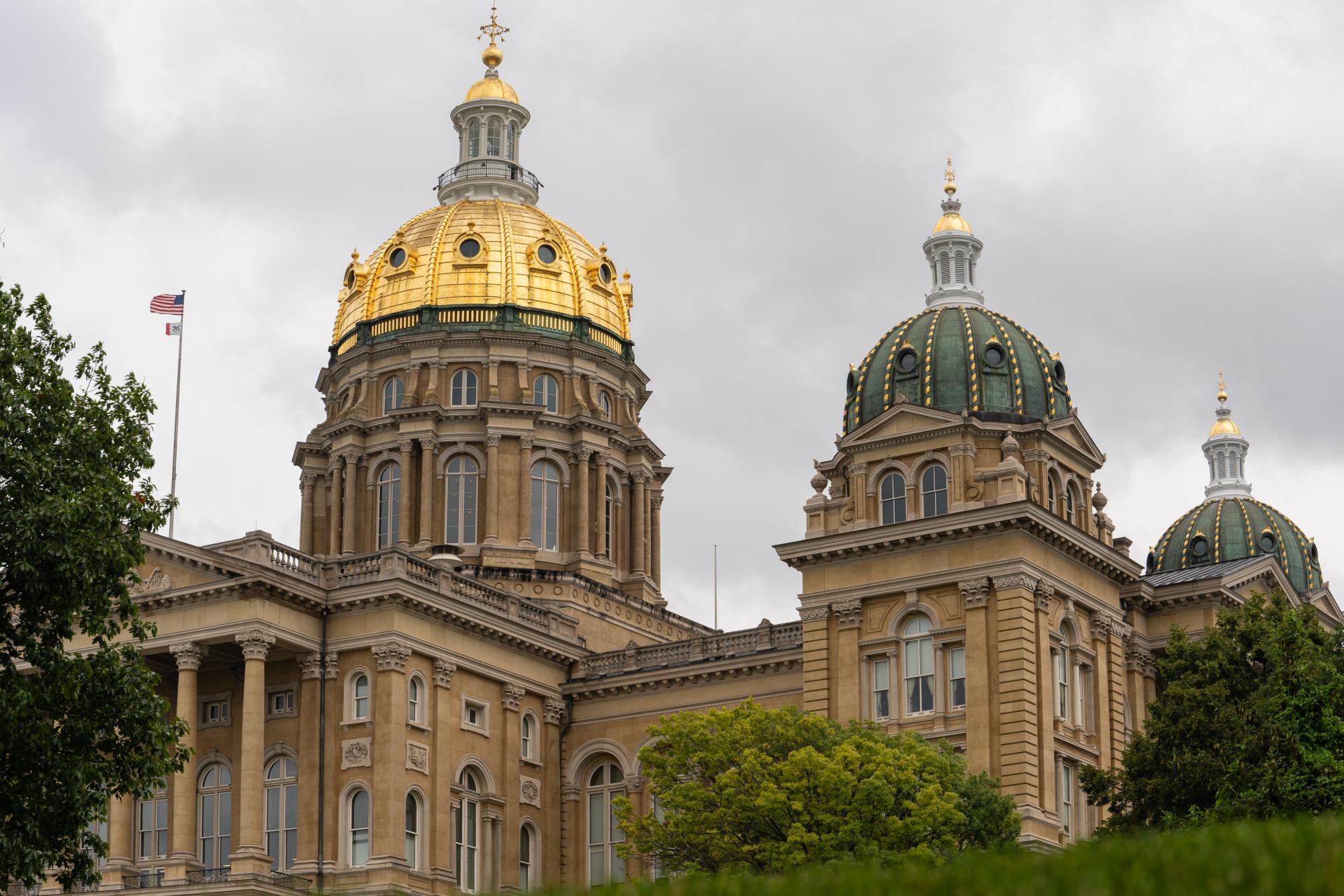
UPDATE: Transparency issues are escalating over Iowa’s $314 million Education Savings Account (ESA) program as concerns rise about oversight and spending visibility. Just announced by state officials, the program, initiated by House File 68 in 2023, has allowed eligible families to tap state funds for private school tuition and other educational costs.
The cost of the program has surged, increasing from $218 million in the previous year to over $314 million for the 2025-26 school year. This dramatic rise in taxpayer expense has prompted urgent questions about how funds are managed and what information is accessible to the public.
In a troubling revelation, State Auditor Rob Sand disclosed that his office was denied access to essential records during a recent audit, raising alarms about potential misuse of funds. “The State Auditor’s Office was denied access to information necessary to confirm that voucher recipients met income requirements,” Sand stated. He emphasized the unprecedented nature of this denial, which followed a 2023 law change that curtailed his office’s oversight authority.
“When any entity receives that level of funding and knows no one is watching how it’s being spent, it creates an environment that invites fraud,” Sand warned, highlighting the risks associated with a lack of oversight. With the ESA program expected to cost Iowa taxpayers around $675 million by the end of the current school year, the stakes are high.
Governor Kim Reynolds defended the state’s decision to deny Sand’s request, suggesting that the auditor needed to submit an engagement letter for access to specific information. “He wants the political fodder back and forth to really boast his political career,” Reynolds claimed in a recent interview. However, her office has not responded to multiple inquiries regarding transparency in the ESA program.
Currently, the Iowa Department of Education (IDOE) website primarily provides eligibility requirements and application deadlines but lacks detailed information about spending oversight. ESA recipients received an average of $7,988 for the 2025-26 school year, matching public school funding levels. However, critics express concern that the funds are being poorly monitored and could lead to significant waste.
State Senator Sarah Trone Garriott has voiced her fear over the transparency of ESA funds, noting that many recipients had previously attended private schools, thereby questioning the necessity of government support. A recent study revealed that nearly two-thirds of ESA recipients could afford private education without assistance, raising eyebrows about the program’s intent and effectiveness.
Trone Garriott pointed out troubling practices within private schools, stating, “They can take the money, they can have the student enrolled and for whatever reason, they can expel them.” This lack of accountability has left many uncertain about how taxpayer dollars are being utilized.
Despite proposals for greater transparency, including a bill by Trone Garriott to require annual reporting on student demographics and educational status, these efforts have stalled in the Republican-controlled legislature. The push for transparency continues to face significant political hurdles, underscoring the contentious nature of the ESA program in Iowa.
As debates surrounding education funding heat up, the ESA program remains a focal point, with growing calls for accountability and monitoring. Critics are demanding that lawmakers address the transparency crisis, while supporters advocate for increased school choice—leading to a fierce ongoing political battle.
With the future of Iowa’s education funding hanging in the balance, the urgency for clear oversight and accountability has never been more pressing. As more developments unfold, the spotlight remains on both the ESA program’s impact on Iowa’s families and the state’s ability to manage taxpayer dollars responsibly.