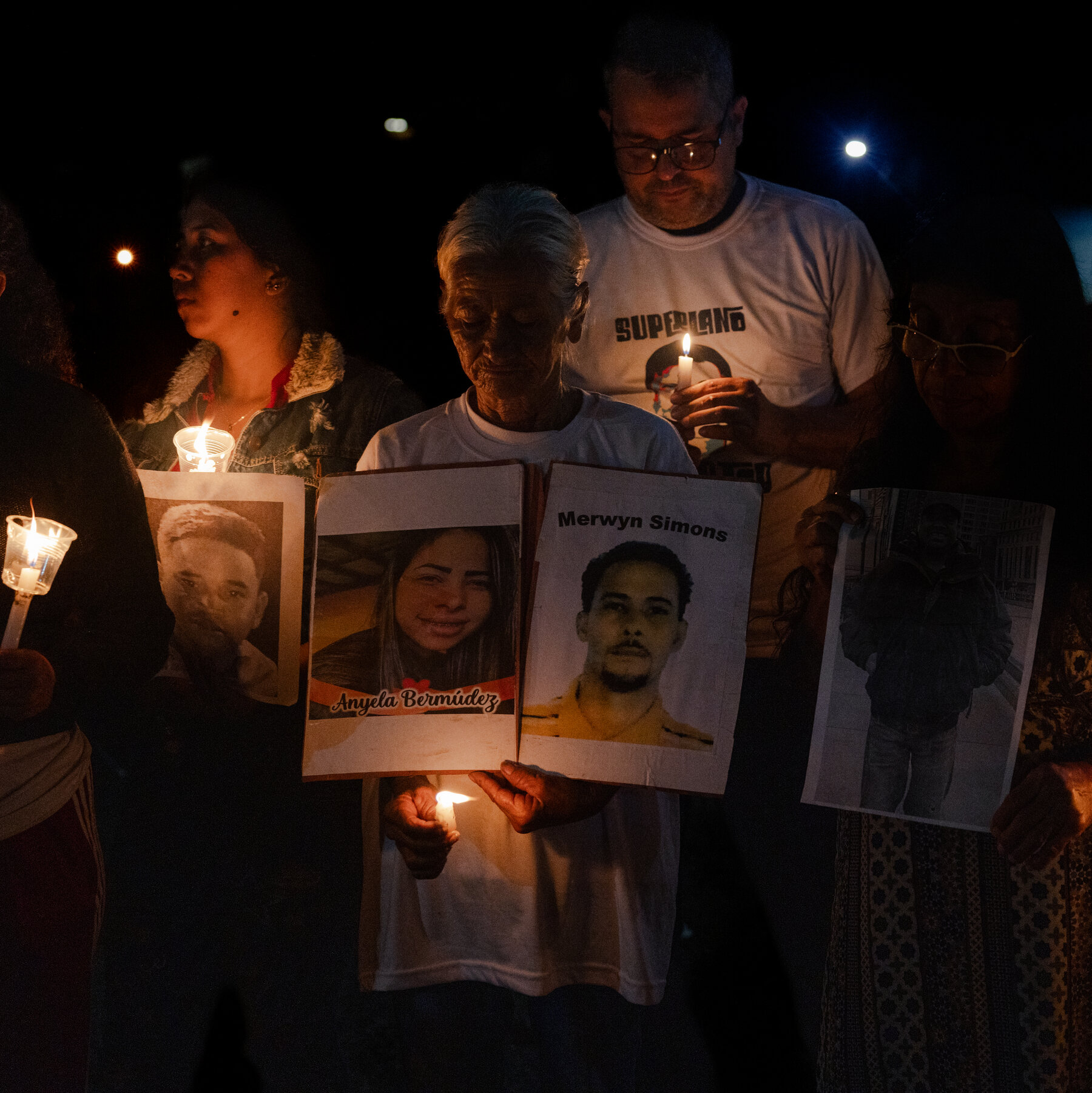
Venezuela’s National Assembly has approved a controversial amnesty bill aimed at potentially releasing hundreds of political prisoners. The legislation, which passed on December 15, 2023, has sparked significant debate both domestically and internationally, with critics labeling it as “unjust” and raising concerns about its implications for human rights in the country.
The amnesty bill is viewed by supporters as a necessary step toward fostering national reconciliation. It is designed to benefit individuals incarcerated for political reasons, including opposition leaders and activists who have been imprisoned under the regime of President Nicolás Maduro. According to official estimates, as many as 300 political prisoners could be eligible for release as a result of this legislation.
Critics argue that the bill, which gained momentum largely due to pressure from the Trump administration, undermines the severity of the human rights violations committed by the Venezuelan government. Human rights organizations have expressed skepticism about the motives behind the bill and the manner in which it was passed. They contend that the legislation does little to address the root causes of political repression in Venezuela.
Human Rights Watch and Amnesty International have both issued statements urging caution regarding the bill’s implementation. They emphasize that amnesty should not serve as a blanket pardon for serious crimes, particularly those involving human rights abuses. The groups stress the importance of holding accountable those responsible for violations rather than simply releasing them from prison.
The passage of the amnesty bill comes at a time when Venezuela is facing immense political and economic challenges. The country has been in a state of turmoil for several years, characterized by hyperinflation, shortages of basic goods, and a mass exodus of its citizens. Many see the approval of this legislation as a potential opportunity for dialogue between the government and opposition forces.
Supporters within the National Assembly argue that the amnesty bill is a vital move towards restoring trust in the political process. They assert that releasing political prisoners could pave the way for negotiations aimed at ending the ongoing crisis. Yet, skepticism remains among the opposition, with many questioning the sincerity of the government’s intentions.
The international community continues to monitor the situation closely. The United States and European Union have both expressed a cautious stance regarding the amnesty bill, emphasizing that any form of reconciliation must be paired with genuine political reforms and respect for democratic norms.
As Venezuela navigates this complex political landscape, the implications of the amnesty bill will likely have significant consequences for the country’s future. The path forward remains uncertain, with many advocating for a comprehensive approach that prioritizes justice and accountability alongside reconciliation. Only time will reveal the true impact of this legislation on Venezuela’s political prisoners and the broader human rights landscape.