UPDATE: The Trump administration is reportedly poised to launch a significant military operation against Iran as the U.S. builds an extensive strike force in the Middle East. Current and former officials reveal that a powerful arsenal is now being assembled, with the aircraft carrier USS Gerald R. Ford and its fleet approaching the region, potentially enabling military action within days.
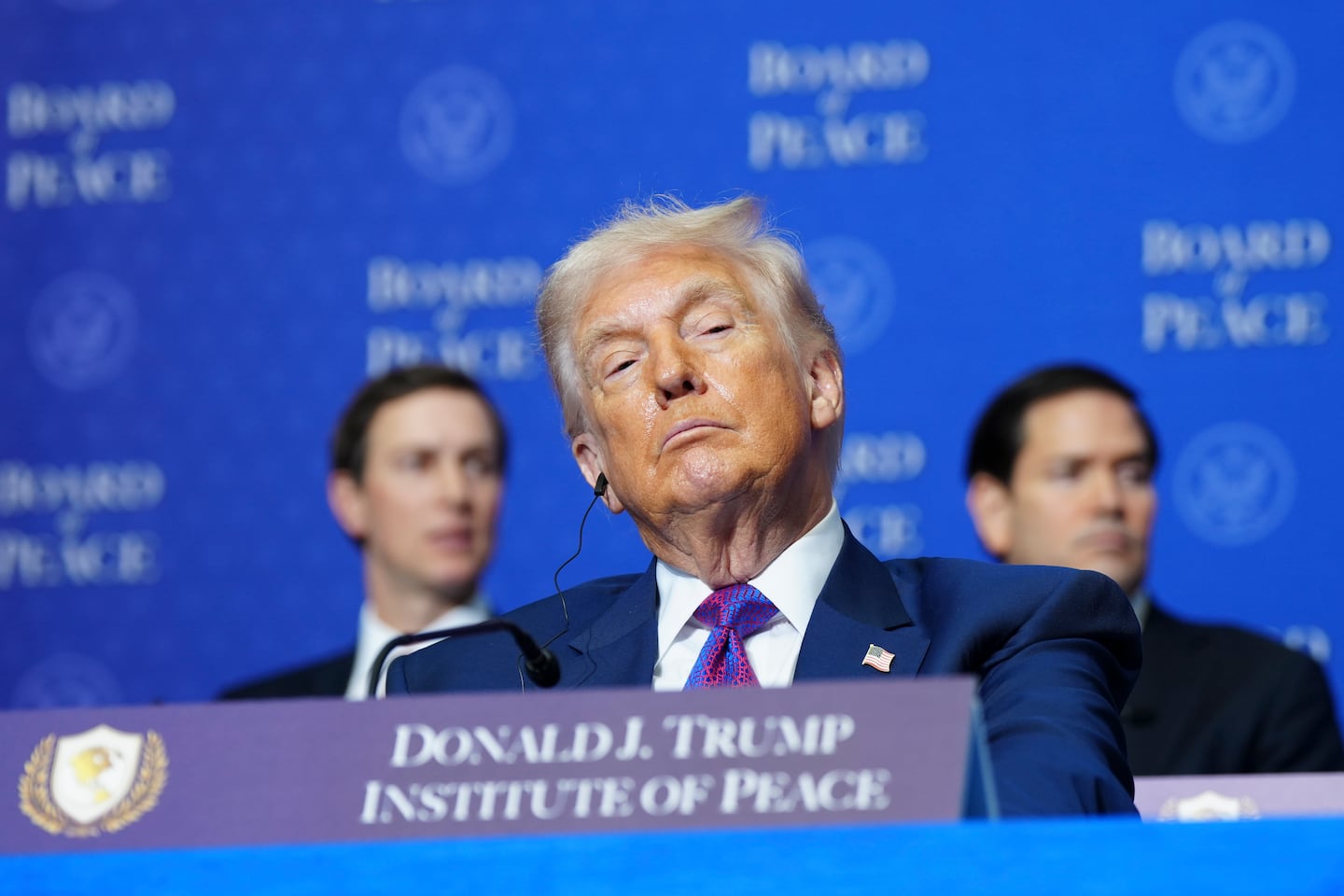
As tensions escalate, President Donald Trump hinted at the possibility of a deal while addressing the inaugural meeting of his Board of Peace in Washington on Thursday morning. “Maybe we’re going to make a deal. Maybe not,” Trump stated, leaving many questioning the administration’s next moves. Officials stress that the U.S. is increasing its combat readiness in the region, raising alarms about the potential for conflict.
Military leaders have extended the deployment of the USS Gerald R. Ford, which was diverted from the Caribbean Sea and is currently near the Strait of Gibraltar. This positioning suggests a readiness for immediate action, should Trump authorize it. The buildup includes numerous fighter jets, air-defense systems, and other critical assets already in the Middle East.
Daniel B. Shapiro, a former U.S. ambassador to Israel, stated that the U.S. would have an “overwhelming advantage” over Iran militarily. However, he cautioned that any major conflict could lead to significant risks, including Iranian ballistic missiles targeting U.S. troops and the possibility of a broader regional war.
“They’ll definitely take terrible damage from combined U.S.-Israeli strikes,” Shapiro remarked. “But that doesn’t mean it ends quickly, or clean.”
Trump’s military posturing coincides with ongoing negotiations concerning Iran’s nuclear program. White House press secretary Karoline Leavitt reported limited progress in discussions, with Iranian officials expected to provide further details soon. However, skepticism remains about whether Trump will wait for these developments.
Regional diplomats had initially believed the increased military pressure was a tactic to force Iran into concessions during negotiations. Yet, recent talks have revealed Tehran’s unwillingness to compromise on key issues, including its right to enrich uranium. A European diplomat noted that Iran’s strategy appears focused on delaying substantive discussions.
Secretary of State Marco Rubio is scheduled to travel to Israel on February 28 to update Prime Minister Benjamin Netanyahu on the status of U.S.-Iran negotiations. This visit comes amid fears that the Pentagon could initiate strikes even before diplomatic talks conclude, reflecting the administration’s aggressive stance.
Despite calls from regional allies for targeted strikes, the looming threat of an extended conflict raises concerns among officials. Such a conflict could result in high casualties and draw multiple countries into the fray, leading to unpredictable outcomes.
As the military buildup intensifies, many are left wondering about the implications of an assault on Iran, a nation that has long challenged U.S. interests. Trump’s administration has previously considered military action against Iran, particularly following a surge of anti-government protests earlier this year.
The potential for conflict is underscored by recent military maneuvers, including the repositioning of U.S. aircraft and naval vessels throughout the region. Experts warn that an extended military engagement would mark a critical shift in U.S. strategy, moving away from previous limited operations that Trump has characterized as successful yet short-lived.
As the situation unfolds, the world watches closely. The ramifications of a military strike could drastically alter the geopolitical landscape and impact global oil markets, potentially leading to widespread unrest.
Stay tuned for updates as this developing story continues to evolve.