UPDATE: The Feral Cat Spay and Neuter Project (FCSNP) in Lynnwood is urgently addressing the growing crisis of feline overpopulation as the number of feral and homeless cats surges. Founded in 1997, this nonprofit organization has provided vital spay and neuter services to over 100,000 cats, making a significant impact on the community.
Executive Director Amy Ferguson reports that the percentage of feral cats treated has escalated dramatically since the start of the COVID-19 pandemic. “We’ve prevented over a million cats from reproducing in Snohomish County, alleviating the strain on local shelters,” Ferguson stated.
FCSNP offers free spay and neuter services for trapped feral cats and reduced-cost procedures for financially eligible pet owners. For just $70, eligible owners can access services that typically range from $500 to $1,000 at traditional veterinary offices. This affordability is crucial as many families struggle financially.
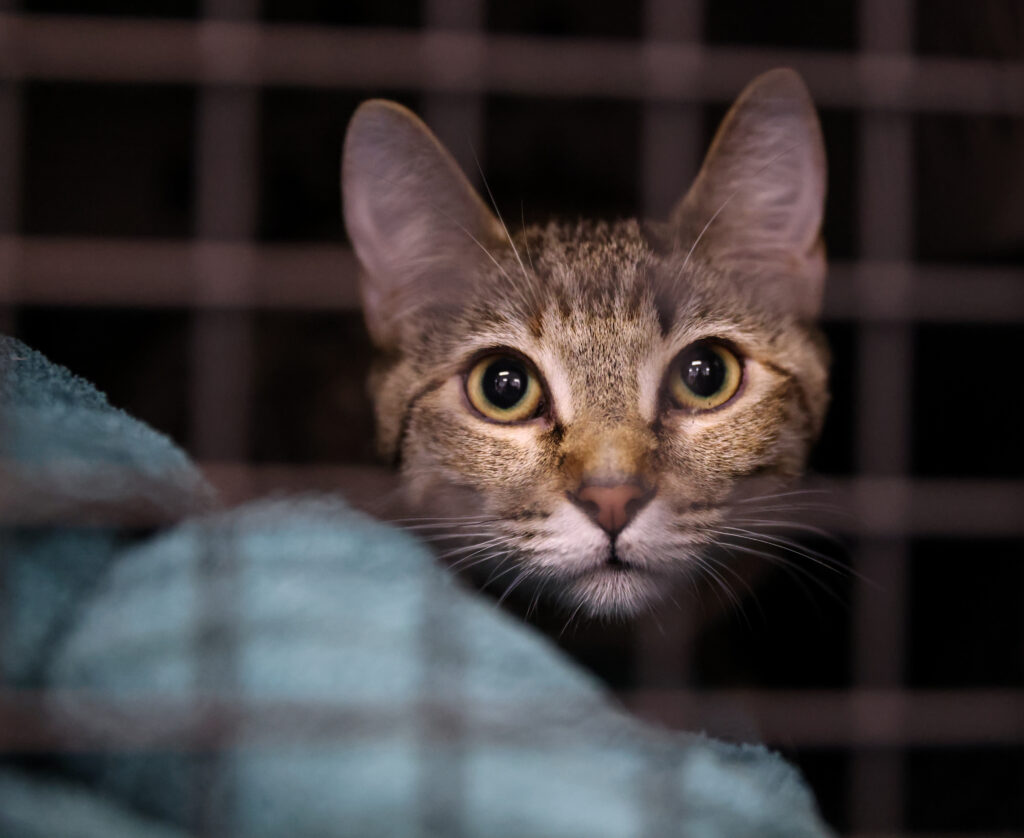
The clinic does not trap feral cats but provides traps for rent along with instructions for those willing to help. According to the National Feline Research Council, feral cats are often unowned and can negatively impact local wildlife, particularly ground-feeding birds. Ferguson emphasized, “We’re here to ensure these cats don’t reproduce, reducing environmental havoc.”
FCSNP operates with a dedicated team of paid veterinary staff and over 100 volunteers, treating up to 50 cats per day. Eudora Hawkes-Roach, the clinic manager, highlighted the importance of community involvement, saying, “Our volunteers help spread awareness about spay and neuter programs in their communities.”
Many volunteers, including former volunteer Mila Webb, are drawn to the impactful work FCSNP offers. Webb remarked, “Being part of something bigger than yourself is incredibly rewarding.” The organization’s recent expansion to a new building on Highway 99 in Lynnwood has doubled their capacity, allowing for increased services.
FCSNP’s mission is clear: to act as a first line of defense against animal overpopulation. Ferguson’s dream is to operate clinics seven days a week, increasing their ability to serve the community. “What we’re doing here prevents animals from entering shelters, which is vital for solving the problem,” she stated.
With the ongoing crisis of feline overpopulation, FCSNP continues to seek volunteers and community support. They urge anyone interested in helping to join their efforts and make a difference in the lives of these cats.
This urgent initiative highlights the critical need for awareness and action in the fight against feline overpopulation, emphasizing the health benefits for cats and the positive environmental impact of spaying and neutering.
For more information or to volunteer, visit the FCSNP official website.