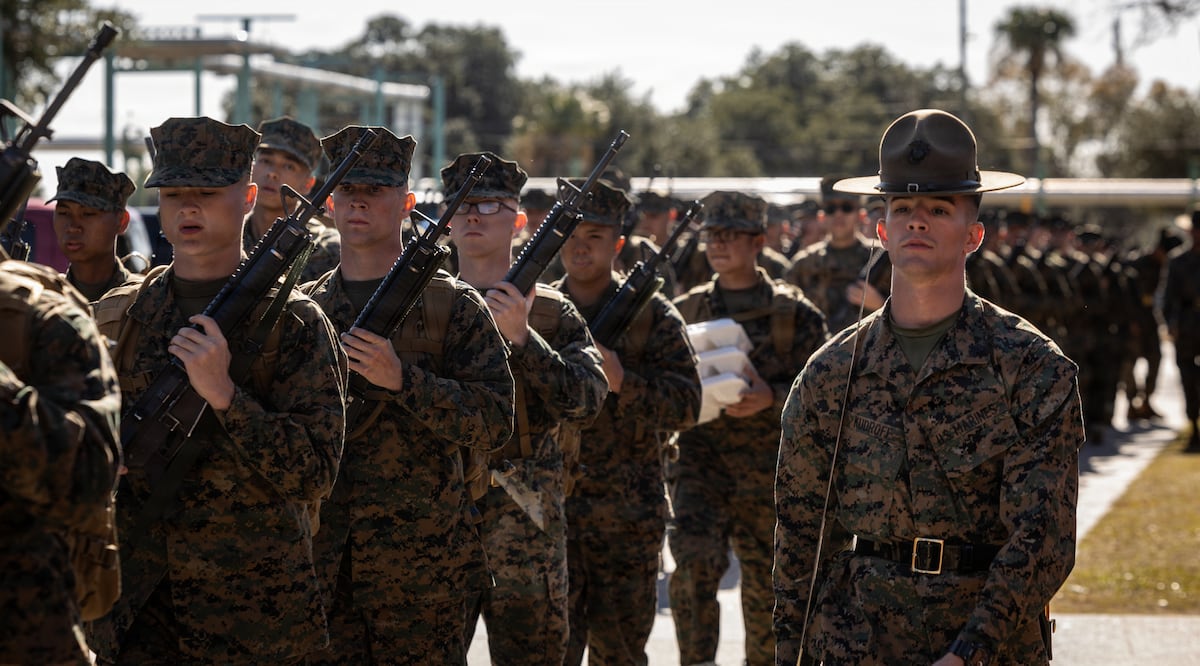
European nations are increasingly prioritizing military expansion as security concerns rise in response to geopolitical tensions. This renewed focus on rearmament has reignited memories of historical conflicts, prompting citizens to reflect on the potential consequences of such a shift. The ongoing conflict in Ukraine has acted as a catalyst, pushing governments to bolster their defense capabilities.
Historical Context of Rearmament in Europe
European citizens recall the dark history associated with military buildups. The events of the early 20th century, particularly the lead-up to World War II, serve as a stark reminder of how rapidly escalating armaments can lead to devastating warfare. The aftermath of those conflicts left deep scars across the continent, influencing attitudes towards military spending and national security.
In recent years, the conversation surrounding defense has taken a significant turn. Following Russia’s invasion of Ukraine in February 2022, European leaders have acknowledged the need for a more robust military posture. NATO, the North Atlantic Treaty Organization, has reported that member countries are set to increase their defense budgets, with expenditure projected to reach historical highs.
Current Rearmament Initiatives
Countries like Germany and France are leading the charge in this rearmament initiative. Germany has announced plans to invest an additional €100 billion (approximately $106 billion) into its military over the next few years, marking a significant shift in its post-war defense strategy. This investment aims to modernize the German armed forces while enhancing NATO’s collective defense capabilities.
The United Kingdom is also increasing its military spending, with an emphasis on improving its defense against emerging threats. The UK government plans to allocate an additional £24 billion (around $30 billion) over the next four years to strengthen its armed forces and develop new technologies.
While these initiatives are being welcomed by some as necessary steps to ensure national and regional security, they are causing discomfort among citizens who remember the consequences of military escalation. Many are concerned that a renewed emphasis on armament could lead to an arms race, further destabilizing the region.
In Warsaw, NATO Secretary General Jens Stoltenberg recently emphasized the importance of unity among member states in response to these challenges. “We must ensure that our defenses are strong and credible,” he stated during a press briefing in March 2023. This statement underscores the urgency felt by leaders to address the evolving security landscape.
The implications of this rearmament push extend beyond military preparedness. There are economic considerations as well, as increased defense spending can divert funds from social programs and public services. Citizens are facing rising living costs, and many are questioning whether these military investments are the best use of national resources.
As European countries navigate this complex landscape, the specter of their historical past looms large. The balance between ensuring security and maintaining peace remains delicate. The decisions made today will not only shape the future of military engagement in Europe but will also affect the societal fabric of nations as citizens reckon with the potential ramifications of rearmament.
In conclusion, while the push for rearmament in Europe is rooted in contemporary security concerns, it also serves as a reminder of the continent’s tumultuous history. As nations like Germany, France, and the UK enhance their military capabilities, the challenge lies in addressing the fears and concerns of their citizens, who have seen the devastating impacts of war firsthand.