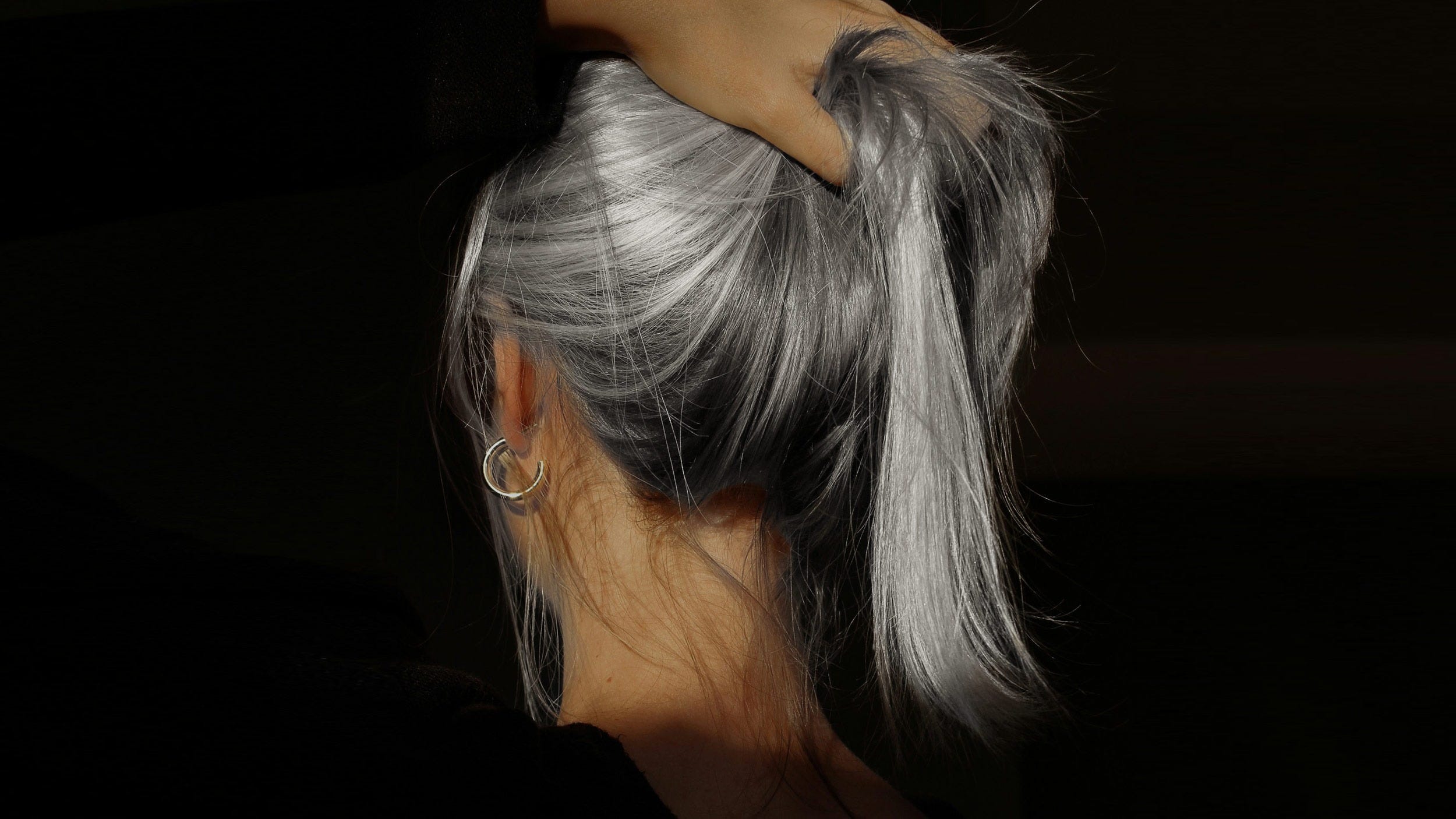
What is commonly referred to as **Marie Antoinette syndrome** is a rare condition that causes hair to turn white or gray in an extraordinarily short period, sometimes even overnight. Named after the French queen, who is said to have experienced this phenomenon before her execution, the medical term for this condition is **Canities subita**. The sudden change has gained attention on social media platforms, particularly TikTok, leading many to seek more information about its causes and potential treatments.
Understanding Canities Subita
**Marie Antoinette syndrome** is characterized by the abrupt loss of pigment in hair. According to dermatologist **Chesahna Kindred**, “The main difference is how fast and how dramatically the hair turns white or gray.” Unlike typical graying that occurs gradually over a span of years, Canities subita manifests within **24 hours** in some cases. Furthermore, there are situations where individuals also experience hair loss alongside the color change, complicating the condition.
The historic anecdote surrounding **Marie Antoinette** suggests that her hair turned white from shock the night before her death. This lore has since been the basis for the syndrome’s name.
Potential Causes and Treatments
Despite ongoing research, the exact causes of Canities subita remain unclear. The leading theory posits that it may be a rare variant of **alopecia areata**, a condition where the immune system targets pigment-producing cells in hair follicles. While alopecia areata typically results in patchy baldness, Canities subita presents a unique challenge due to the sudden shift in hair color.
**Ladosha Wright**, a trichologist, indicates that extreme stress often triggers this condition. “Stress-related triggers are commonly tied to illness, including **Covid-19**, major emotional upheaval, or a sudden injury,” she explains.
Currently, no definitive cure exists for Canities subita. However, there has been a promising report from **Spain**, where treatment with **baricitinib**, a medication usually prescribed for severe alopecia areata, has shown positive results. Individuals experiencing symptoms are encouraged to consult healthcare professionals to develop a personalized treatment plan.
In terms of hair care, experts recommend deep-conditioning treatments to manage the dryness often associated with gray hair. Suggested products include **Hindsgaul’s The Mask Conditioner**, **Cécred’s Moisturizing Deep Conditioner**, and **Oribe’s Signature Moisture Masque** to maintain moisture and health.
Understanding **Marie Antoinette syndrome** is essential for those affected, as the condition can lead to both physical and emotional challenges. Seeking medical advice is crucial for appropriate management and care.