On September 17, 1787, as the Constitutional Convention drew to a close, the future of the United States was uncertain. A significant internal debate was underway that questioned the very foundation of the new nation. While many Americans are familiar with this pivotal moment, it is essential to revisit the insights shared by the delegates, particularly those of Benjamin Franklin, whose remarks resonate with contemporary political dynamics.
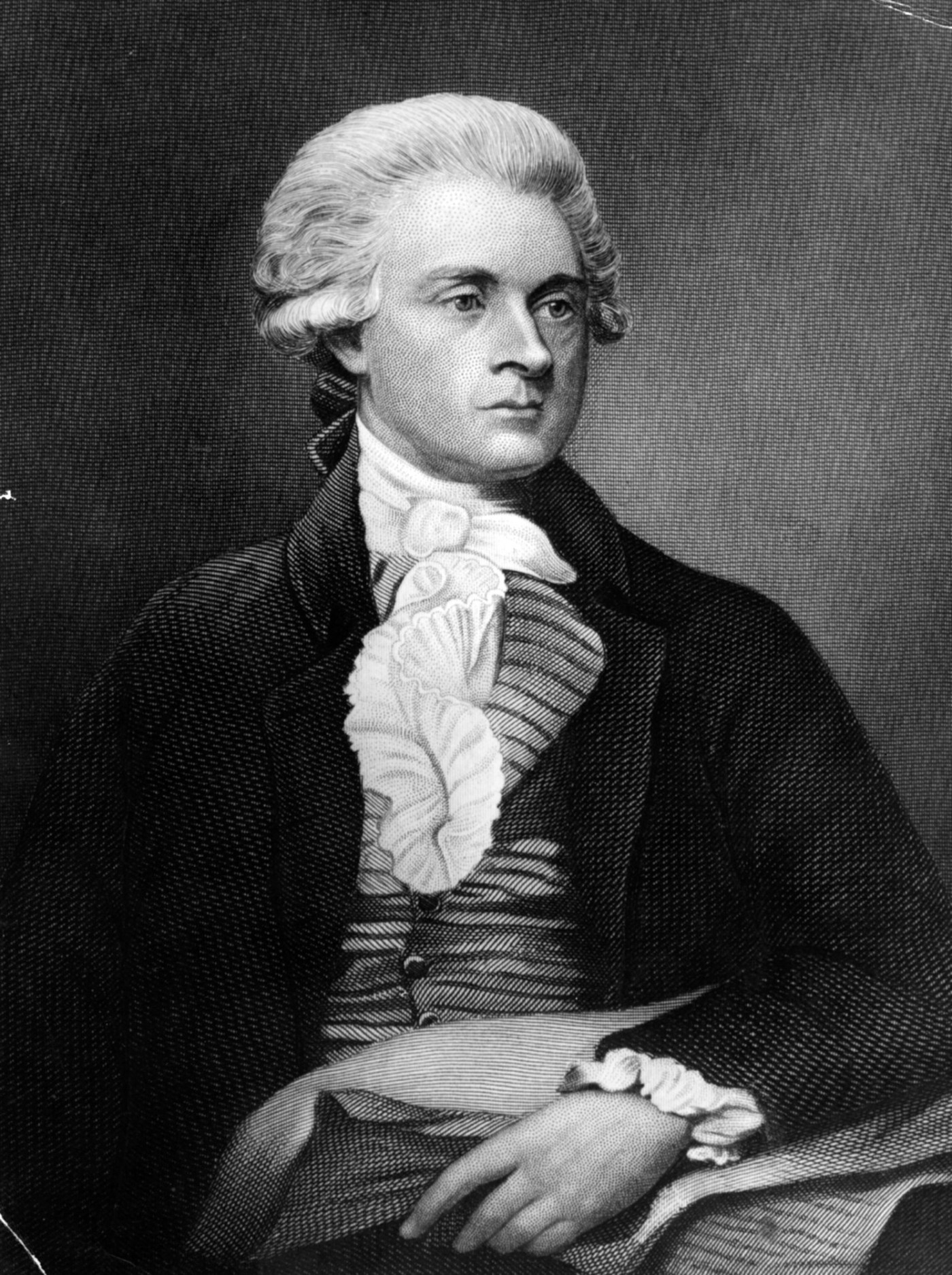
Franklin, at the age of 81, delivered a closing speech that encapsulated the spirit of compromise and the necessity of unity. He acknowledged his reservations about the Constitution, stating, “I confess that I do not entirely approve of this Constitution at present, but Sir, I am not sure I shall never approve it.” His willingness to question his judgments reflects a profound understanding of the complexities involved in governance. Franklin emphasized the importance of remaining open to new ideas, a lesson that remains relevant today.
Debate Over Central Authority
The debates of the late 18th century showcased a nation grappling with the balance of power. As one of the Federalists, alongside figures like Alexander Hamilton and John Adams, Franklin supported a strong central government. Yet, the Founding Fathers were acutely aware of the risks associated with concentrated power. The opposition, represented by the Anti-Federalists, argued against the Constitution’s establishment of an executive branch without an immediate bill of rights.
This contentious dialogue led to the creation of the Federalist Papers, a series of essays primarily authored by Hamilton that advocated for the Constitution. These writings sought to address the fears surrounding a powerful central government and articulated the reasons for its necessity. The debates surrounding these issues laid the groundwork for the political framework that the United States operates within today.
Franklin’s closing remarks served as a reminder that while the nation was embarking on a significant risk, unity was paramount. His call for compromise and deliberation resonates in contemporary discussions about governance, particularly in times of political polarization.
The Role of Congress in Governance
The structure of the U.S. government was designed to ensure representation and deliberation. The Congress was established as the First Branch of the Constitution, reflecting the Founders’ intent for the people’s voices to be heard. Recently, Neil Gorsuch, a Justice of the Supreme Court, reaffirmed this principle, stating, “Yes, legislating can be hard and take time. And, yes, it can be tempting to bypass Congress when some pressing problem arises.” His comments underline the significance of the legislative process as a means to incorporate diverse perspectives and foster compromise.
In light of current political challenges, Franklin’s wisdom encourages a broader perspective. Recognizing the importance of collaboration and open-mindedness can help bridge divides and promote effective governance. As the nation prepares to celebrate its 250th anniversary, reflecting on these founding principles is essential for maintaining unity and ensuring that the democratic ideals of the United States continue to flourish.
In conclusion, Franklin’s insights remind us that while we may face differing opinions, remaining united is crucial. The lessons from the Constitutional Convention serve not only as a historical account but as a guiding principle in navigating the complexities of modern governance.