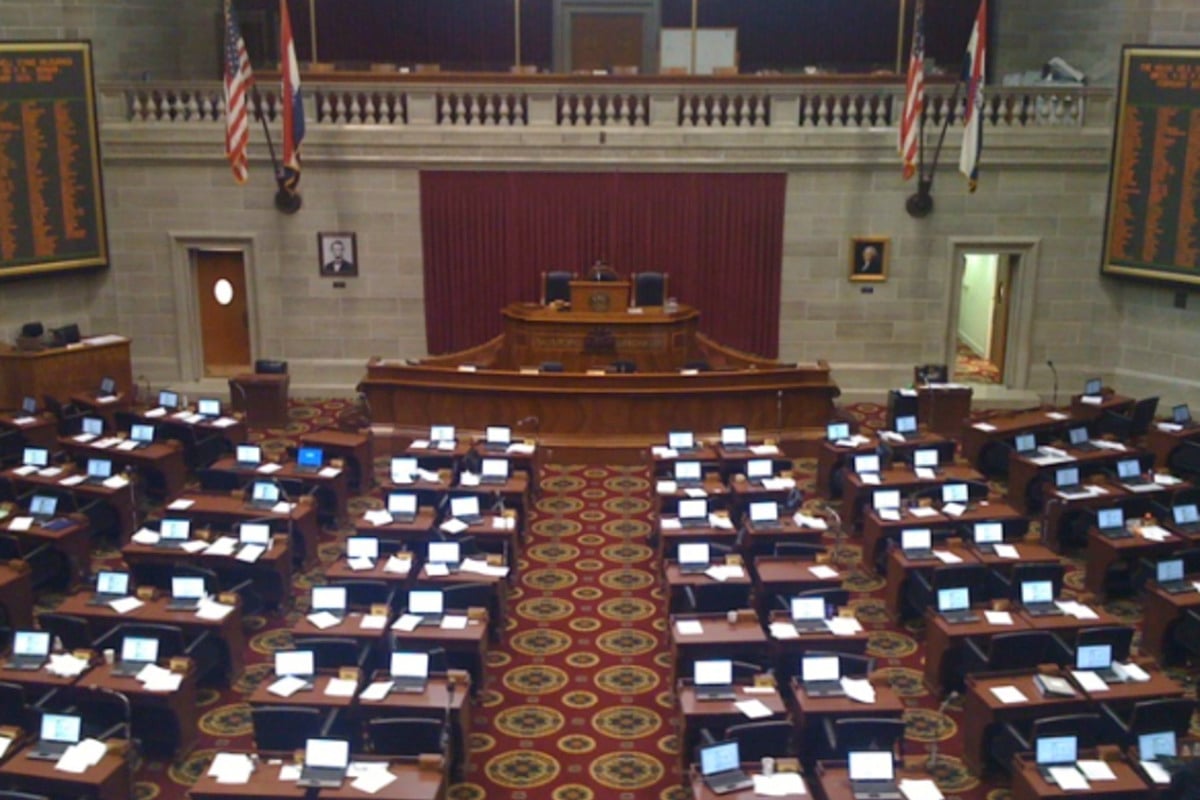
The Missouri House has approved legislation aimed at enhancing legal protections for students’ political and ideological speech within K–12 schools. On February 26, 2024, House Bill 2682 was passed with a 99-47 vote. Sponsored by Rep. Darin Chappell, the bill has sparked a heated debate over its implications for free expression versus potential risks of empowering extremist groups.
Key Features of the Bill
The proposed legislation rebrands the existing Student Religious Liberties Act as the “Safeguarding Personal Expression at K-12 Schools (SPEAKS) Act.” It mandates that school districts cannot discriminate against students or clubs based on religious, political, or ideological viewpoints. Additionally, the bill requires districts to implement limited-public-forum speaker policies while maintaining traditional restrictions against obscenity and true threats, as outlined in the bill text.
A significant aspect of House Bill 2682 is the provision allowing a private right of action, which waives the state’s sovereign immunity, enabling lawsuits against school districts for alleged viewpoint discrimination. The legislation stipulates a minimum award of $5,000 for prevailing plaintiffs and grants students and organizations a two-year period to file suit.
Debate Among Lawmakers
Discussions in the House became contentious as lawmakers voiced their concerns. Democrats cautioned that the bill’s language could protect extremist organizations and lead to increased conflict in schools. Rep. Wick Thomas raised concerns about whether the bill could inadvertently shield “Nazi student clubs,” while Rep. Ian Mackey warned of “unintended consequences,” as reported by the Missouri Independent.
In contrast, Republican lawmakers defended the measure as a means to ensure equal treatment for all viewpoints. Rep. John Simmons emphasized that political and ideological speech “should be protected,” framing the bill as an issue of fairness rather than a gateway for extremism.
The legal ramifications of the bill may also be profound. By allowing students and organizations to sue school districts for alleged discrimination, it could increase litigation and insurance costs for local school boards, which often operate under tight budgets. Supporters argue that this waiver is essential for holding districts accountable for infringing on students’ rights. Critics counter that it may encourage lawsuits over routine disciplinary decisions and club approvals.
As the legislative process continues, a companion bill sponsored by Sen. Brad Hudson has already passed a Senate education committee with a 5-2 vote. Although it has not yet been scheduled for comprehensive Senate consideration, its progress will be closely monitored.
School districts, parent organizations, and legal experts are awaiting the Senate’s next steps, particularly regarding how courts will interpret the new private causes of action if the legislation becomes law. In anticipation, school administrators may feel compelled to review their policies on speakers, clubs, and graduation to ensure compliance with the new limited-public-forum regulations outlined in the proposal.