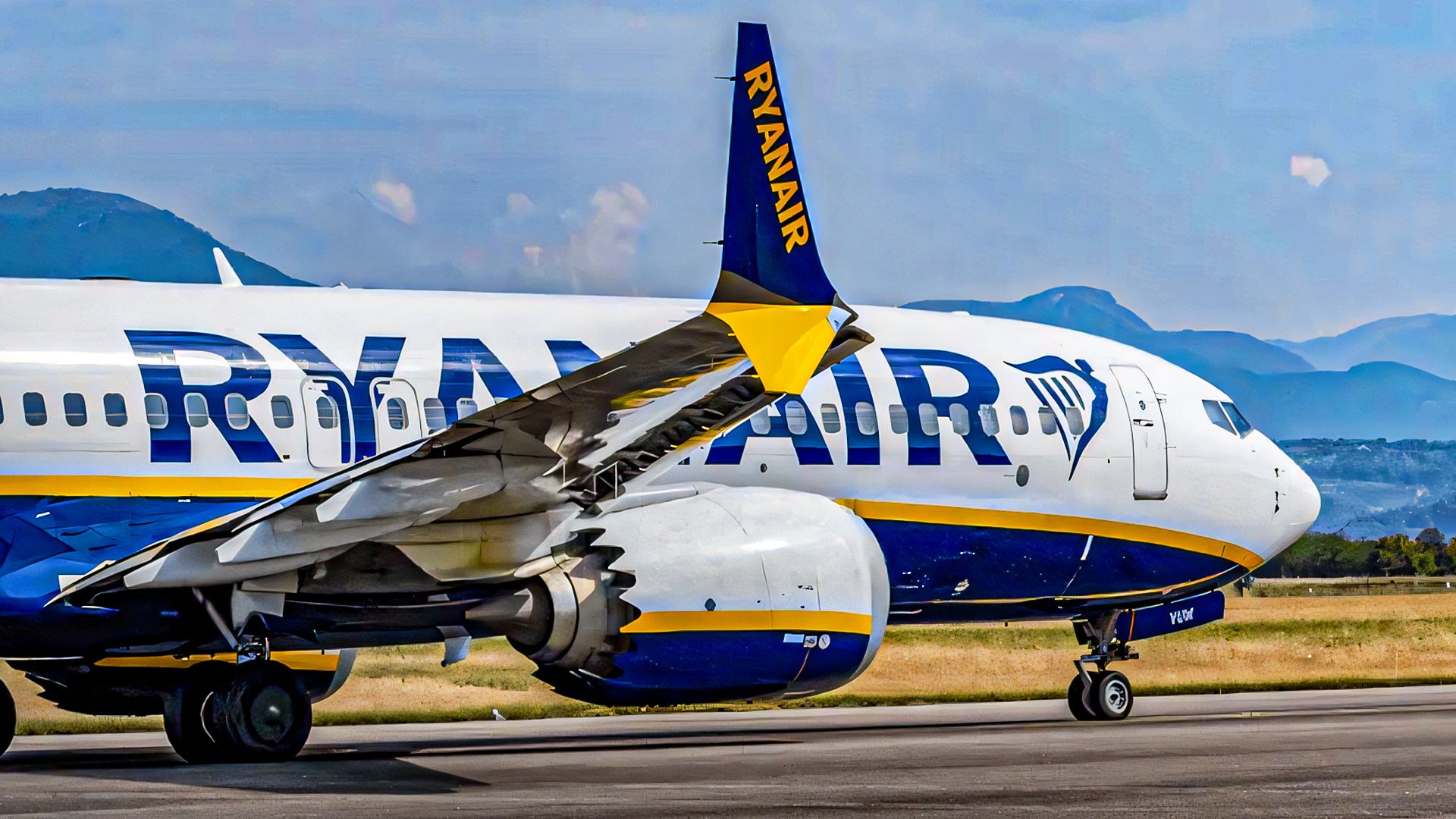
Ryanair is set to significantly expand its operations in 2026, driven by the introduction of the Boeing 737 MAX 8-200 variant. This strategic move aims to enhance both capacity and cost efficiency for the airline. By the end of February 2026, Ryanair expects to have received the final four of its planned 206 MAX 8-200 aircraft, which will form part of a larger fleet of 643 planes. This expansion is essential as the airline seeks to optimize its network and improve per-seat costs.
The Boeing 737 MAX 8-200, often referred to by Ryanair as the “Gamechanger,” is a high-density version of the standard MAX 8 model. It was designed specifically for low-cost carriers, allowing them to maximize seat capacity without needing to transition to larger aircraft models. Ryanair’s configuration includes 197 seats, compared to the 189 seats on its previous 737-800 models. This increased capacity enables the airline to distribute fixed costs more effectively, making it particularly advantageous in competitive markets.
Ryanair’s plans for summer 2026 include the launch of 106 new routes, which are expected to be supported by the delivery of these new aircraft. The airline has linked the timely arrival of the Boeing models to anticipated traffic growth, indicating that the deployment of these jets is central to its expansion strategy. The focus will now be on how Ryanair balances its growth ambitions with operational challenges such as air traffic control disruptions and seasonal demand fluctuations.
Operational Efficiency and Strategic Utilization
Ryanair’s operational strategy hinges on maximizing aircraft utilization and efficiency. The introduction of the MAX 8-200 is expected to improve margins across several key areas. The additional seats allow the airline to spread fixed costs, such as crew wages and airport fees, across more passengers. This is crucial for maintaining low fares, which is a hallmark of Ryanair’s business model.
Lower fuel consumption per seat is another significant advantage of the MAX 8-200. This feature is particularly beneficial during periods of volatile fuel prices and at airports with stringent environmental regulations. The aircraft is designed to be part of the existing Boeing 737 family, facilitating easier training, maintenance, and overall operational consistency.
Data from Cirium Aviation Analytics reveals that Ryanair plans to operate an impressive 350,411 flights with the MAX 8-200, offering a total of 69,030,967 seats. This translates to approximately 960 flights per day, emphasizing the pivotal role this aircraft will play in the airline’s operations. High-demand routes, particularly between major cities such as Dublin and London, will see the most frequent use of this aircraft.
Impact on Route Strategy and Long-Term Growth
Ryanair’s strategic deployment of the MAX 8-200 serves a dual purpose. It is utilized for both high-frequency short-haul flights and longer leisure-oriented routes. Key routes serviced by the MAX 8-200 include:
– Dublin Airport (DUB) to London Gatwick (LGW) – 1,237 flights
– Dublin Airport (DUB) to London Stansted (STN) – 1,203 flights
– Dublin Airport (DUB) to Birmingham Airport (BHX) – 891 flights
– Dublin Airport (DUB) to Manchester Airport (MAN) – 865 flights
These routes underscore how Ryanair leverages the MAX 8-200’s capabilities to optimize both seat capacity and operational efficiency. The aircraft not only enhances the economics of short-haul flights but also supports longer-distance leisure travel, making it a versatile asset in Ryanair’s fleet.
Looking ahead, Ryanair’s CEO, Michael O’Leary, has expressed confidence in the MAX 8-200 as a key component of the airline’s growth strategy. The aircraft is anticipated to bolster profitability by lowering unit costs and maintaining high aircraft utilization rates.
In summary, Ryanair’s integration of the Boeing 737 MAX 8-200 is a strategic move aimed at enhancing its operational capacity and cost efficiency. As the airline prepares for an ambitious expansion in 2026, the MAX 8-200 is set to play a crucial role in achieving its growth objectives while continuing to offer competitive pricing to its customers.