The U.S. Congress was briefed earlier this week about potential military action against Iran, according to Speaker of the House Mike Johnson. This briefing involved the “Gang of Eight,” which includes eight key members of Congress responsible for overseeing intelligence matters. The group comprises the majority and minority leaders from both the House of Representatives and the Senate, along with the chairpersons and ranking minority members of the intelligence committees.
Johnson stated, “The Gang of Eight was briefed in detail earlier this week that military action may become necessary to protect American troops and American citizens in Iran.” He further noted that he has received updates from Secretary Marco Rubio and intends to maintain close communication with the President and the Department of War as operations progress. In his statement posted on X (formerly known as Twitter), Johnson expressed his hopes for the safety of U.S. servicemembers and allies involved in the operation, which is termed Operation Epic Fury.
According to the Intelligence Oversight Act of 1980, the CIA is mandated to keep congressional intelligence committees informed of all intelligence activities, particularly those that significantly impact U.S. interests. In extraordinary circumstances, the President can limit this information to select members, which is the case with the Gang of Eight.
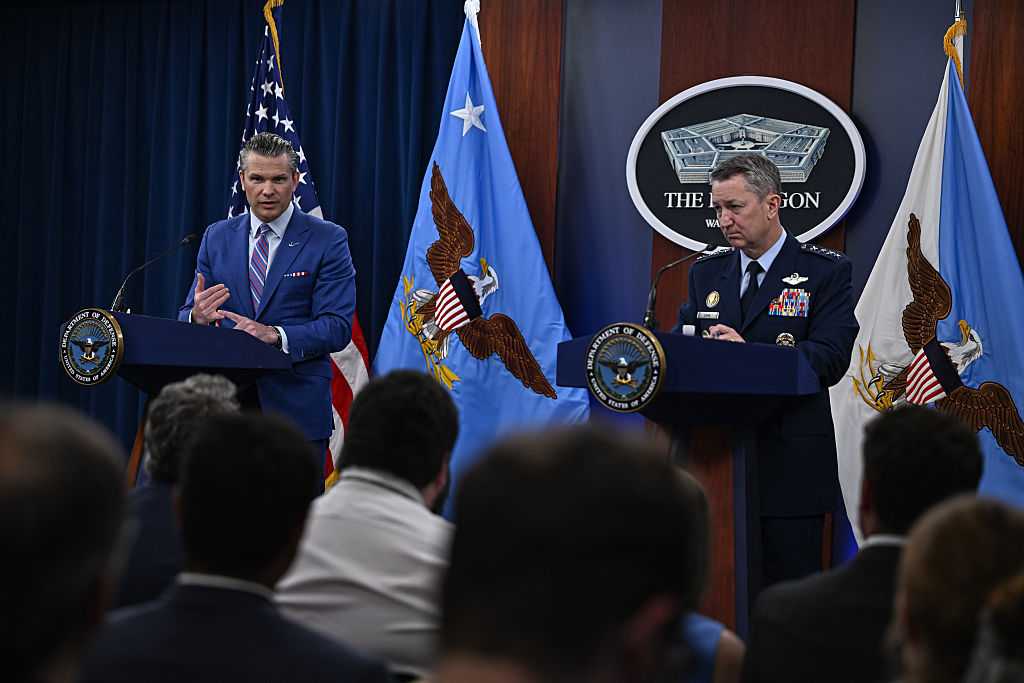
On Tuesday, as part of the ongoing situation, Secretary of State Marco Rubio, Defense Secretary Pete Hegseth, CIA Director John Ratcliffe, and General Dan Caine, the chairman of the Joint Chiefs of Staff, are scheduled to provide a briefing to the full Congress regarding the U.S. military operations targeting Iran.
The recent escalation in military actions includes a series of U.S.-Israeli strikes on Iranian targets that resulted in significant casualties. Notably, these attacks claimed the life of Iran’s supreme leader, Ayatollah Ali Khamenei, and approximately 40 senior officials, including the head of the paramilitary Revolutionary Guard and the Iranian defense minister.
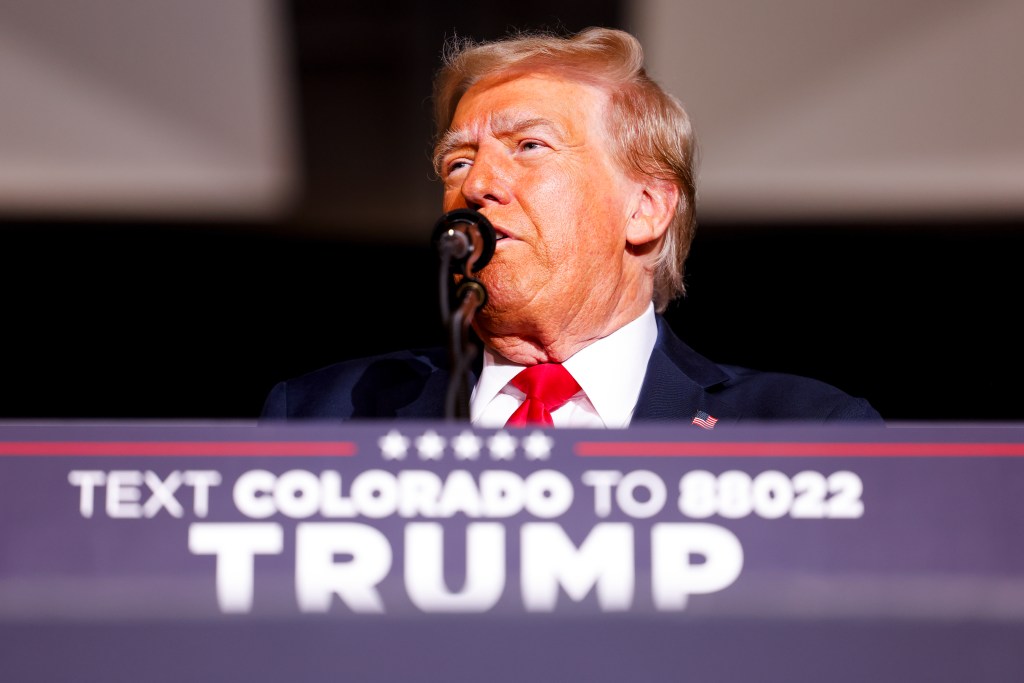
In retaliation, Iran has launched strikes against Israel and neighboring Gulf states, as well as targeting critical infrastructure vital to global oil and natural gas production. Former President Donald Trump indicated that the bombing operations would continue, estimating their duration to be four to five weeks, while also noting his preparedness to extend the campaign as necessary.
As the situation develops, the implications of these military actions and the responses from both Iran and the international community will be closely monitored, highlighting the complex dynamics at play in this region.