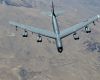
UPDATE: The United States has dramatically escalated its air campaign against Iran, striking nearly 2,000 targets in just four days as part of Operation Epic Fury. Officials confirmed that B-52 bombers have been deployed to enhance combat operations, marking a significant intensification of military efforts in the region.
The U.S. Central Command (CENTCOM) reported that over 1,700 targets were hit within the first 72 hours of the operation, utilizing a combination of B-1, B-2, and B-52 bombers, alongside fighter jets, drones, and advanced missile defense systems. This aggressive strategy is aimed at neutralizing Iran’s drone capabilities, which have posed a persistent threat in the Middle East.
In a stark warning, CENTCOM commander Adm. Brad Cooper stated, “The Iranian regime’s killer drones have been a menace in the Middle East for years. These drones are no longer a tolerable risk.” This statement reflects the urgency of the situation as Iran continues its missile and drone attacks against U.S. interests and regional allies, including Israel.
The operation has also resulted in significant naval losses for Iran, with reports indicating that 17 Iranian naval vessels, including a key submarine, have been destroyed. CENTCOM asserts that no Iranian warships remain operational in crucial maritime corridors.
As the conflict escalates, the humanitarian toll is rising. The Pentagon has confirmed the deaths of six U.S. service members since the operation began. Meanwhile, the Iranian Red Crescent reports that U.S.-Israeli strikes have resulted in 787 deaths in Iran, a figure that remains unverified by independent sources.
The ongoing conflict is severely impacting global energy shipping, with the Strait of Hormuz closed for a fourth consecutive day. Greece’s shipping minister has issued warnings about heightened risks for vessels in this critical chokepoint, which facilitates approximately 20% of global oil and gas flows.
This urgent escalation in military action underscores the severity of the situation and the potential for broader conflict in the region. As the world watches closely, the implications for international security and global energy markets are profound.
Stay tuned for more developments on this rapidly evolving story.