March is widely regarded as a pivotal month in the sports calendar, especially in the United States, as it ushers in the electrifying period known as March Madness. This annual NCAA basketball tournament features 68 teams competing for the championship title, and it quickly becomes the center of attention for sports fans. The excitement is amplified by the buzz surrounding baseball spring training, along with increased stakes in the NHL and NBA, as the seasons reach their climax.
In contrast, February often feels like a slog for coaches and teams alike. The month can be described as dreary, with cold weather and a lack of significant events, aside from the Super Bowl. While teams prepare for the NCAA Tournament, February’s atmosphere can be challenging, especially for college basketball coaches. As the month progresses, many teams find themselves fighting for their tournament lives, often leading to heightened tensions on and off the court.
Coaches Struggle Amidst the Grind
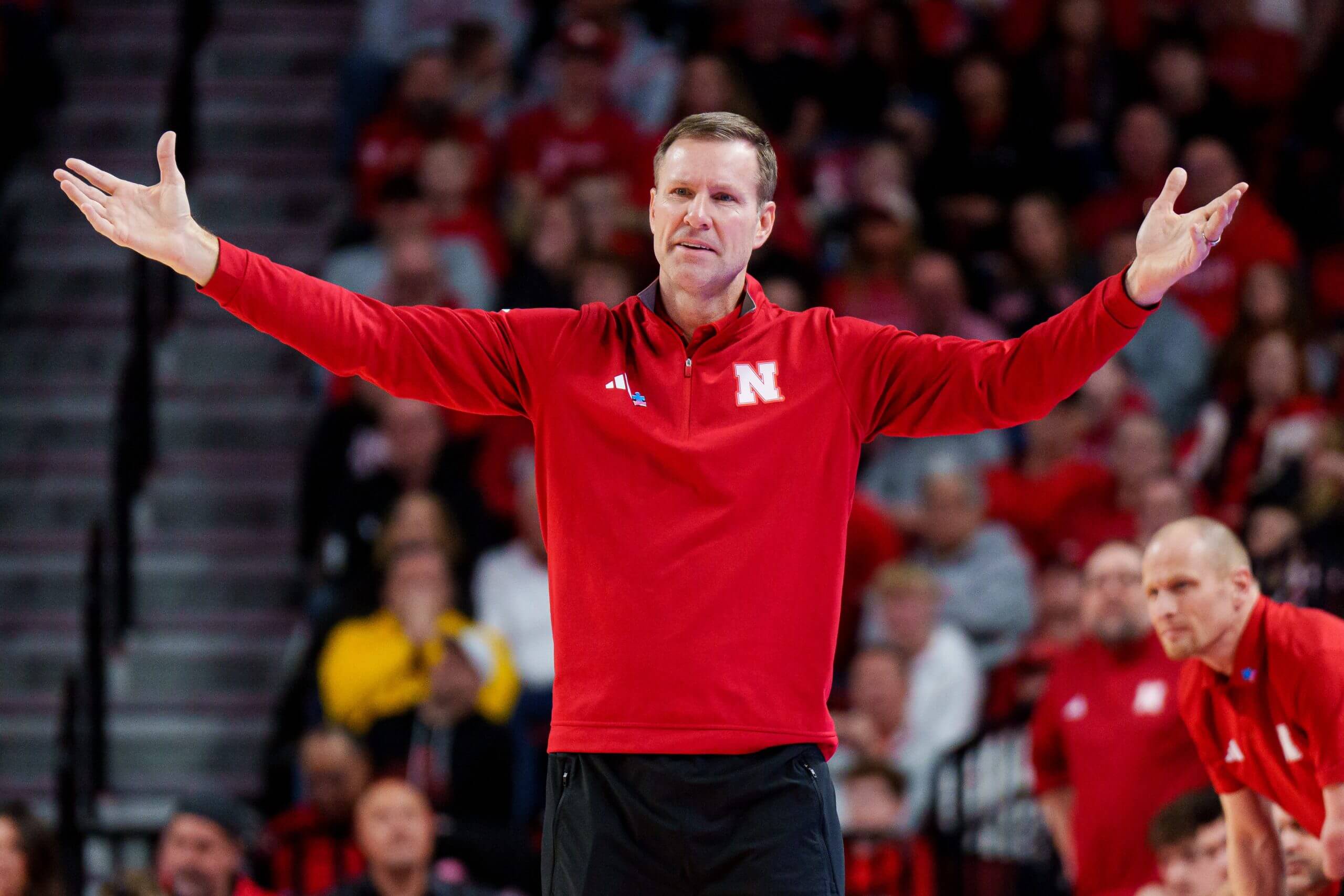
The intensity of February is palpable, as teams jostle for position while navigating conference play. Coaches face the daunting task of keeping their players focused during this demanding stretch. As Fred Hoiberg, head coach of Nebraska, stated, “It’s a grind once you get into late January and February.” He emphasized the diverse motivations of teams at this time, with some aiming to secure top seeds while others play the role of spoilers.
Nebraska recently experienced a setback, falling 57-52 to Iowa on February 17. The game encapsulated the struggles of the month, showcasing a lackluster offensive performance. Coaches have expressed their frustrations as they grapple with the challenges their teams face. This sentiment was echoed by various coaches across the country, including Mick Cronin of UCLA, who lamented the defensive issues his team encountered following a disappointing loss to Minnesota.
Statistical analysis from CBB Analytics reveals a decline in offensive efficiency for Power 5 teams throughout February, with numbers dropping from 120.3 in November to just 114.4 in February. This downward trend, coupled with a sense of urgency, often leads to a chaotic environment as teams approach the NCAA Tournament.
The Road to March Madness
As February came to a close, several teams experienced surprising defeats, complicating their paths to the NCAA Tournament. Notable losses included Tennessee, which squandered a 13-point lead against Alabama, and Indiana, which faced a damaging loss to Northwestern. These outcomes have led to heightened scrutiny of coaches and players alike.
The pressure of the upcoming tournament can manifest in various ways, including the behavior of coaches. Jay Bilas, an ESPN analyst, recently addressed the relationship between coaches and the media, asserting that criticism is a part of the game. He remarked, “I don’t see why this is so difficult,” highlighting the expectations coaches face in the public eye.
As we transition into March, hope and excitement fill the air. Teams are on the verge of the NCAA Tournament, and the competitive landscape is about to shift dramatically. Coaches must now navigate the fine line between maintaining focus and embracing the chaos that comes with this time of year.
The culmination of the regular season provides an opportunity for teams to showcase their talents on a grand stage. March Madness is not only a chance for redemption but also a moment where dreams are realized and legacies are forged. The coming weeks promise to deliver thrilling matchups and unforgettable moments, as basketball fans worldwide prepare for the spectacle of the tournament.
As the countdown to March Madness continues, coaches and teams alike are reminded that while February can be a challenging month, the rewards of success in March can be monumental.