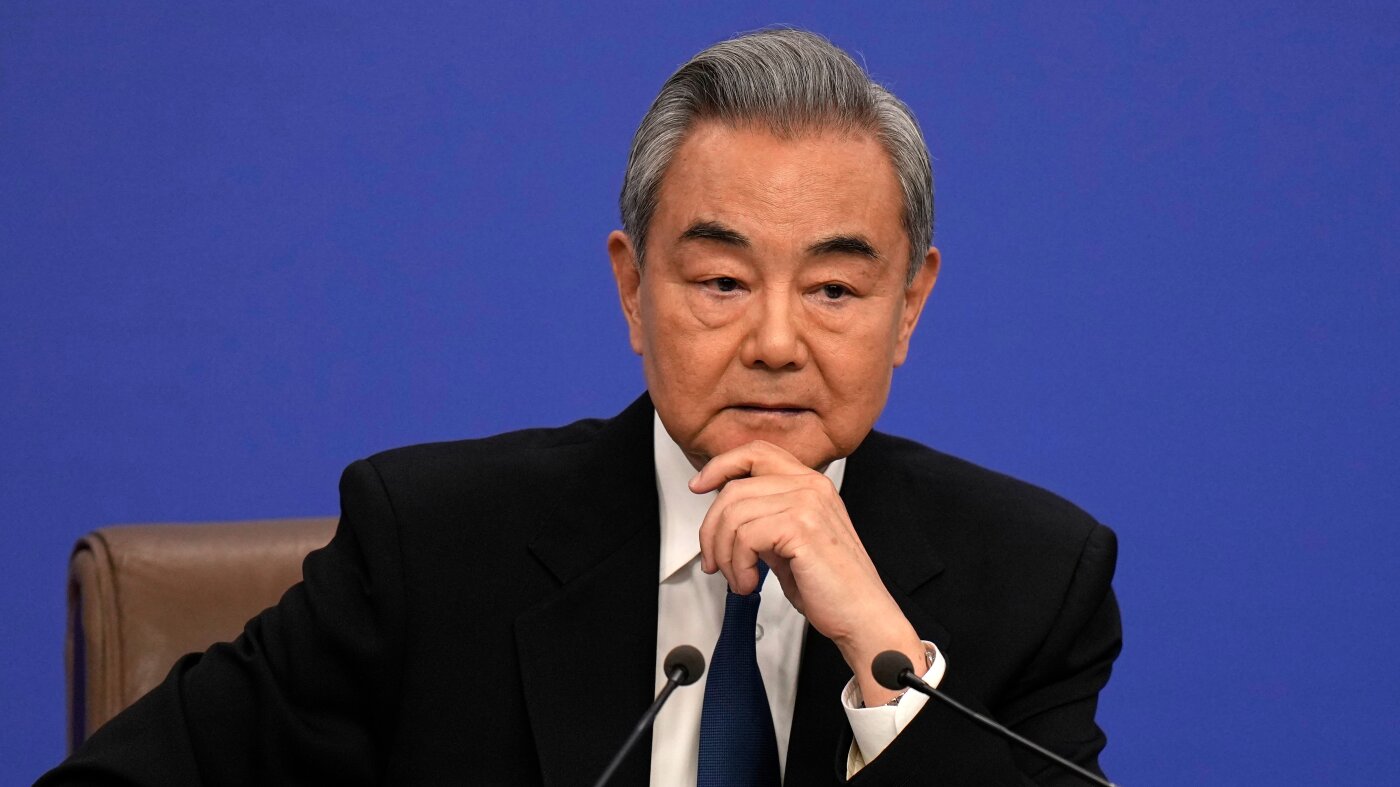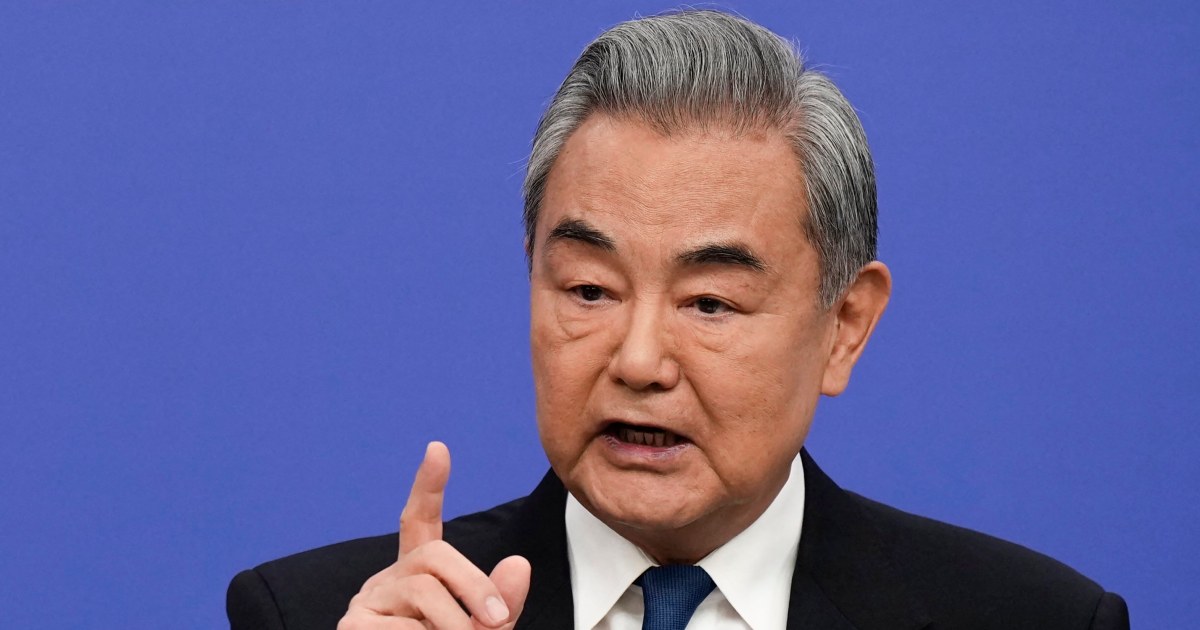
In a recent statement, Wang Yi, China’s Foreign Minister, firmly rejected the concept of a “Group of Two” (G2) as proposed by U.S. President Donald Trump. This idea suggests a collaborative global leadership between the United States and China, but Wang emphasized that global governance must include more than just the world’s two largest economies. The remarks came during a press conference on March 31, 2024, coinciding with China’s annual legislative session in Beijing.
The “G2” concept, originally introduced in 2005 by economist C. Fred Bergsten, aimed to highlight the need for communication between the U.S. and China. While it garnered initial support, the idea waned amid heightened tensions, particularly during Trump’s presidency. Despite this, Trump has revived the term, using it to frame his upcoming discussions with Chinese President Xi Jinping, signaling a desire for a more exclusive dialogue between the two powers.
Wang responded to concerns about the G2 framework, stating, “There is no doubt that China and the U.S. have a significant impact on the world. But we should not forget there are more than 190 countries on our planet.” He underscored that global history and future progress depend on the collective efforts of all nations, not just a select few.
This position aligns with China’s broader diplomatic strategy, which seeks to advocate for the interests of developing countries and oppose the dominance of major powers in global decision-making. Wang reiterated China’s commitment to building “an equal and orderly multipolar world,” distancing the nation from hegemonic ambitions.
The implications of a potential U.S.-China alliance raise concerns among U.S. allies, who worry they may be sidelined in key international discussions. Wang acknowledged the necessity of cooperative relations, stating, “U.S.-China relations have far-reaching and global implications. Turning our backs on each other would only lead to mutual misperception and miscalculation.”
As Trump prepares for a three-day visit to China, set to start on March 31, 2024, the focus remains on how both leaders will navigate their complex relationship. They are expected to meet up to four times this year, with discussions likely to include critical topics affecting global stability.
Wang also addressed the ongoing tensions in the Middle East, particularly the U.S.-Israeli strikes in Iran, which complicate the diplomatic landscape. He urged an immediate cessation of military actions, asserting, “This is a war that should not have happened.” He criticized the “abuse of force” and the violation of international law, advocating for dialogue and cooperation instead of conflict.
The upcoming meetings between Trump and Xi might set the tone for future U.S.-China relations. Both leaders are tasked with managing risks and creating a conducive environment for dialogue. As Wang noted, “What the two sides need to do now is to make thorough preparations accordingly, create a suitable environment, manage the risks that do exist and remove unnecessary disruptions.”
In summary, while the concept of a G2 may appeal to some as a streamlined approach to global governance, China’s recent statements emphasize a more inclusive framework that acknowledges the diverse perspectives of the international community. The ongoing dialogue between the U.S. and China will be crucial in shaping the future of their bilateral relations and the broader global order.