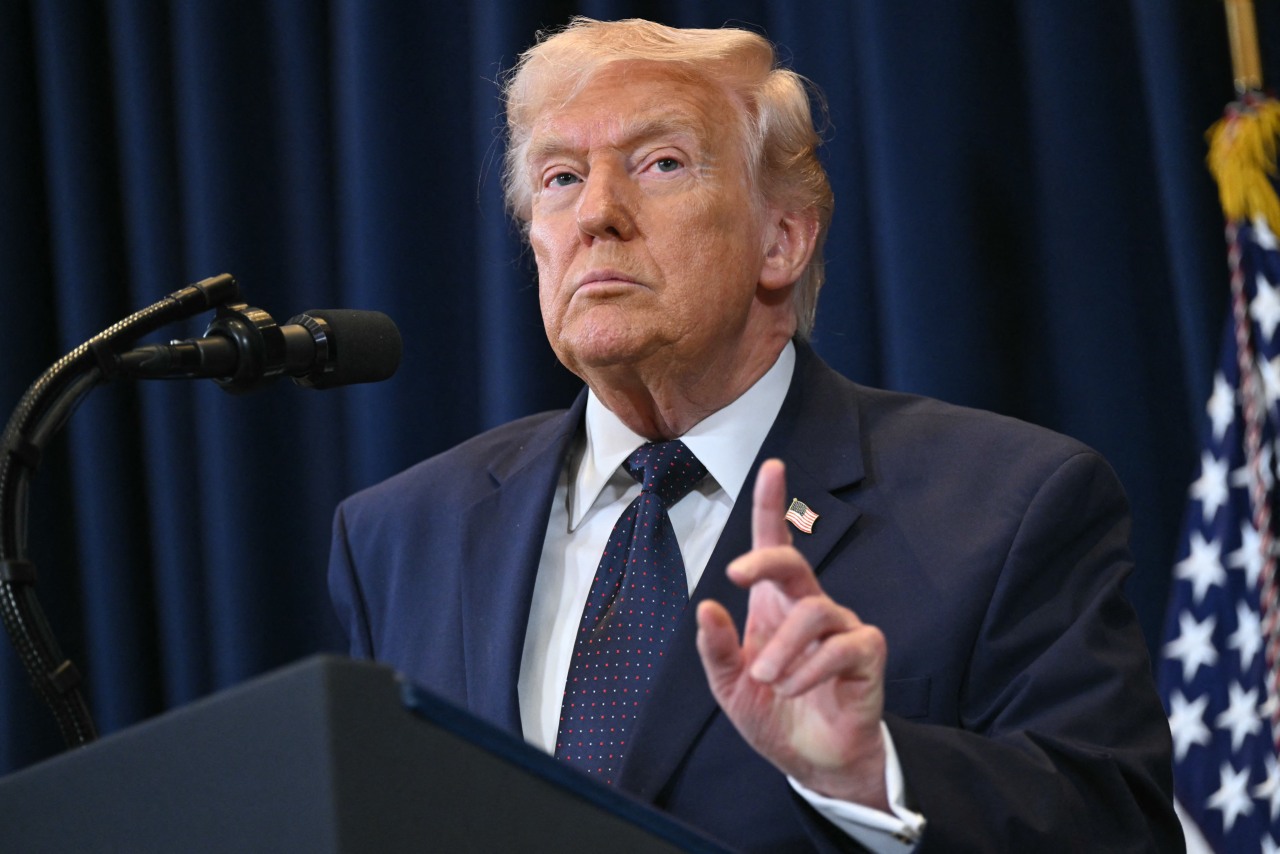
President Donald Trump is under increasing pressure from his advisors to seek a way to de-escalate the ongoing conflict in Iran, amid fears of potential political repercussions. During a press briefing on December 4, 2023, Trump expressed optimism that the war would conclude “very soon,” but many in his inner circle believe that continued military engagement could have detrimental effects on his administration’s standing.
Advisors are cautioning Trump that a prolonged conflict could alienate key voter demographics, particularly as the nation approaches the 2024 presidential election. The Republican Party is already grappling with internal divisions regarding the administration’s foreign policy, with some members advocating for a more restrained approach while others support aggressive military actions.
The situation in Iran has escalated significantly since the introduction of new sanctions aimed at crippling its economy. These measures have intensified hostilities, prompting fears that further military action could lead to a broader regional conflict. Within the White House, discussions have emerged about the potential for diplomatic negotiations as a means to mitigate the escalating tensions.
Several members of Congress from both the Republican and Democratic parties have expressed their desire for a strategic withdrawal from Iran. They argue that the current military strategy lacks a clear objective and risks entangling the U.S. in an unwinnable situation. In a recent statement, Senator Lisa Murkowski underscored the need for “a clear exit strategy” to prevent further loss of life and resources.
As the administration grapples with these challenges, public sentiment appears to be shifting. Polls indicate that a majority of Americans are increasingly wary of foreign military engagements. The latest survey from the Pew Research Center indicates that approximately 60% of respondents oppose continued military involvement in Iran.
Trump’s favorable outlook on the conflict may be at odds with the realities faced by U.S. troops stationed in the region. Reports indicate that military officials are concerned about the sustainability of current operations and the well-being of personnel. A senior military officer, who spoke on the condition of anonymity, noted that “the status quo is untenable,” highlighting the urgency for a reevaluation of U.S. strategy.
In the face of these pressures, Trump’s administration is weighing various options, including potential peace talks with Iranian leaders. Such discussions could serve as a means to stabilize the situation and demonstrate a commitment to reducing military presence abroad. However, any significant shift in strategy would require careful navigation of the political landscape and likely face scrutiny from both political opponents and supportive factions within his party.
As the situation develops, the White House will need to balance military objectives with the growing demand for de-escalation. The outcome of these deliberations could have lasting implications not only for U.S.-Iran relations but also for Trump’s political future.