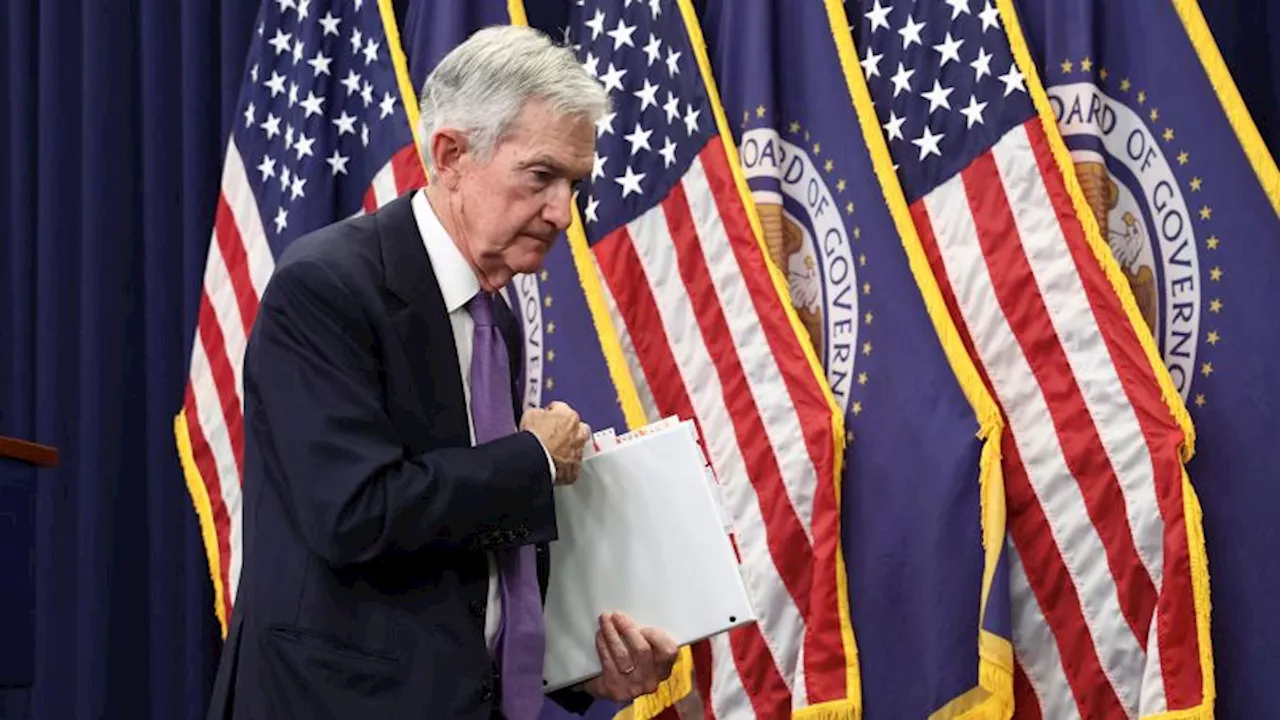
A federal judge has blocked subpoenas issued by the Justice Department against Federal Reserve Chair Jerome Powell, citing evidence of political pressure behind the move. The ruling, announced on January 27, 2023, marks a significant setback for the Trump administration, which has been accused of attempting to influence the Federal Reserve’s interest rate policy.
US District Judge James Boasberg ruled that the subpoenas were issued with the improper intent to pressure Powell into supporting lower interest rates or resigning. Boasberg noted that the government had provided virtually no evidence suggesting that Powell had committed any crime. He described the justifications for the subpoenas as “weak and unsupported,” leading the court to conclude they were merely pretextual.
The investigation, initiated by Jeanine Pirro, the US attorney for the District of Columbia, has drawn considerable criticism. During a press conference, Pirro announced plans to appeal the ruling, asserting that it obstructs the grand jury process and undermines the legal system. She emphasized that the investigation is focused on the law, dismissing claims of political motivation as unfounded.
This case illustrates the ongoing tension between the Trump administration and the Federal Reserve. Since taking office, Trump has publicly criticized Powell for not lowering interest rates to stimulate the economy. Following the subpoenas, Powell released a video emphasizing the importance of the Fed’s independence and denouncing the investigation.
The Trump administration’s strategy also appears to extend to efforts to remove other Federal Reserve officials perceived as less compliant. Lisa Cook, a Fed governor appointed by President Joe Biden, is currently facing pressure, with implications that her removal could be pursued through a case pending before the US Supreme Court.
As Powell’s term as Chair is set to expire in May, discussions around a potential successor have intensified. Trump has nominated former Fed Governor Kevin Warsh to replace Powell. However, the nomination’s success hinges on securing support from key Senate Republicans, including Thom Tillis, who has called for a postponement of the vote until the investigation is resolved. Tillis characterized the probe as a failed attempt to undermine the Federal Reserve’s independence and warned that appealing the ruling could delay Warsh’s confirmation.
Boasberg’s ruling underscores the significance of maintaining the Federal Reserve’s autonomy from political influence. In his opinion, he stated, “Even if nobody has tried that before, a novel improper purpose is improper all the same.” This decision not only disrupts the current investigation but also raises questions about the motives behind the Justice Department’s actions.
The case has broader implications for the stability of the economy and public trust in governmental institutions. As the appeal progresses, the outcomes will be closely monitored by financial experts, legal scholars, and the public, revealing the ongoing friction between political entities and the nation’s central bank.