Fears of domestic attacks in the United States are escalating as the conflict in Iran intensifies and the partial shutdown of the Department of Homeland Security (DHS) continues. Since the onset of military operations on February 28, 2024, the U.S. and Israel have engaged in strikes targeting Iran’s military infrastructure, which has prompted retaliatory actions from Iran against U.S. forces in the region.
As Iran seeks retribution, the situation has drawn widespread condemnation, particularly following a missile strike that reportedly killed over 170 people, including many children, in southern Iran. A Quinnipiac poll reveals that 53% of registered voters oppose the military action, while 77% believe a terrorist attack on U.S. soil is likely in response to the conflict.
The potential for increased domestic threats is heightened, according to Javed Ali, a former DHS and FBI official, who currently teaches at the University of Michigan. He noted that the Iranian regime may consider all options to sustain its power, which could include terrorist activities targeting the U.S.
Concerns Over DHS Operations
Traditionally, the DHS has issued advisories on terror risks during wartime through the National Terrorism Advisory System (NTAS), implemented in 2011. However, Ali pointed out that there are currently no active advisories. The most recent bulletin, released in June 2023, warned of low-level cyber threats and potential violence from extremists. This bulletin expired in September, and since then, the DHS has not communicated new threats, which Ali finds troubling.
As of now, the DHS website indicates that it is not being actively managed due to the funding lapse, which has persisted for four weeks due to a partisan deadlock in Congress. Senate Democrats, except for Sen. John Fetterman, blocked a House-passed bill aimed at fully funding the department. They are advocating for reforms in Immigration and Customs Enforcement (ICE) and Customs and Border Protection (CBP), particularly following high-profile incidents involving ICE officers.
Mississippi Representative Bennie Thompson, the top Democrat on the House Homeland Security Committee, has attributed the increased risk of domestic threats to the ongoing military engagement in Iran. He stated that the DHS workforce is still working diligently to protect Americans, even as funding issues hinder their capabilities.
Impact on Security Operations
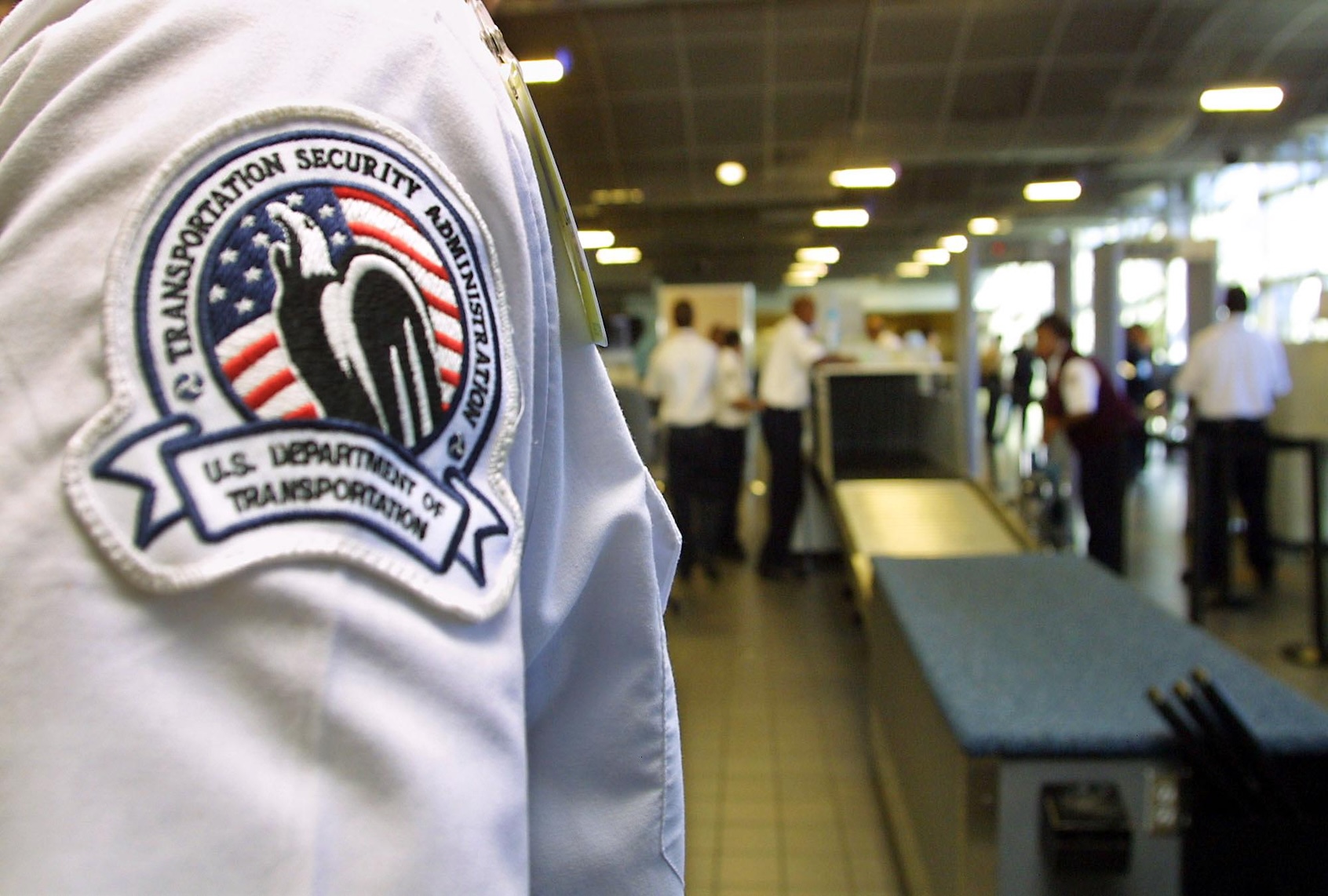
The ongoing shutdown has disrupted operations across various DHS agencies, including the Transportation Security Administration (TSA) and the Federal Emergency Management Agency (FEMA). Reports indicate that FEMA has suspended work on legacy disaster recovery efforts and is now focusing solely on recent emergencies. Last week marked the first time TSA agents missed a paycheck since the funding freeze began.
Despite these challenges, Dan Herman, a senior director at the Center for American Progress and former Biden administration official, clarified that DHS can still conduct its core security functions, including border control and cybersecurity. However, he expressed concern that the ongoing turmoil within the department could compromise its ability to respond to potential threats effectively.
The situation has also seen Iran-linked cyber attacks targeting U.S. companies, with a recent incident involving a cyberattack on Stryker, a Michigan-based medical equipment firm. The group responsible for the attack claimed it was retaliation for the missile strike that resulted in significant civilian casualties.
In a statement, Nick Andersen, acting director of the Cybersecurity and Infrastructure Security Agency, assured that despite the shutdown, the agency remains committed to safeguarding national infrastructure. He noted ongoing cooperation with public and private partners in response to the Stryker cyber incident.
The funding stalemate has raised broader concerns regarding the DHS’s ability to manage national security effectively. Herman cautioned that reduced funding and staffing for agencies focused on counterintelligence and threat assessments create a precarious situation that could undermine public safety.
With the potential for domestic threats increasing, experts stress the importance of transparency and communication from DHS. The current scenario highlights the trust gap that many Americans feel towards their national security agencies, exacerbated by the politicization of these institutions under the current administration.
As the situation unfolds, the need for effective governance and a renewed focus on national security has never been more urgent.