MEET Battery Center Launches Game-Changing Modular Line to Fast-Track Battery Innovation
The MEET Battery Research Center at the University of Münster is moving the future of energy storage forward with the unveiling of a groundbreaking modular pilot line designed to produce battery cells from a variety of novel materials.
Funded with approximately €5 million from the European Union and the State of North Rhine-Westphalia, this new pilot line—part of the REFlexBatt 2.0 project—will enable automated production of battery cells with flexible designs to accelerate development of next-generation technologies.
Flexible Production to Drive Next-Generation Battery Materials
Dr. Markus Börner, head of MEET’s Cell System research division, emphasizes that the battery market is rapidly diversifying, with new materials like sodium and potassium requiring entirely new production approaches.
“To achieve the necessary flexibility, we will develop a modular pilot line with short changeover times that can flexibly integrate innovative technologies,” said Dr. Börner.
This pilot line’s modular design allows contact components to be swapped quickly when changing battery chemistries, preventing cross-contamination and slashing innovation cycles. It will help move promising battery materials from lab scale to industrial production faster—critical for creating sustainable, high-performance energy storage solutions.
Securing Supply Chains and Technology Leadership in Europe
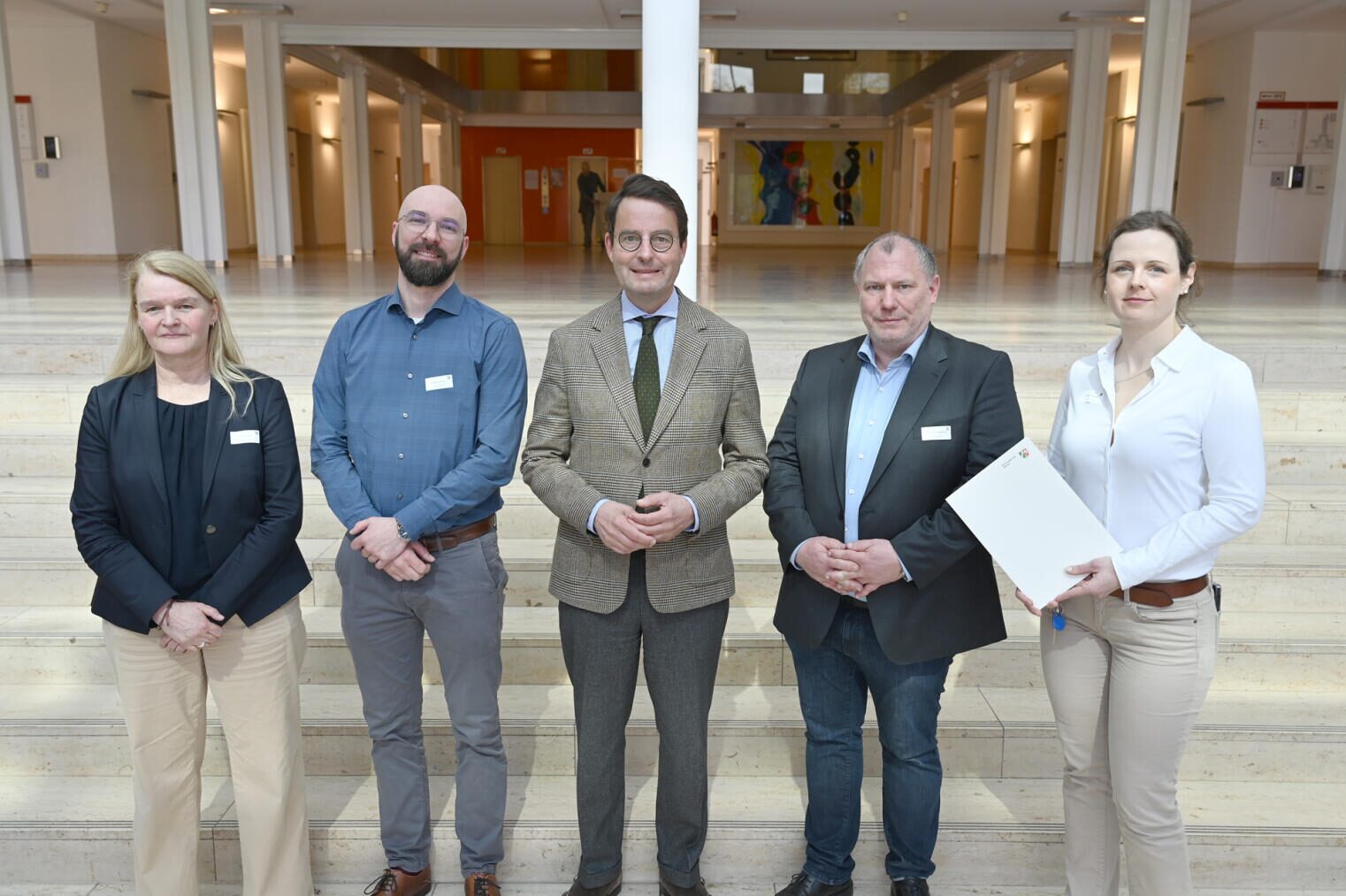
The project officially received its grant notification from the Münster Regional Council on April 9, 2026. Safion GmbH, an industrial partner, will work alongside MEET over the next three years to build and implement this advanced manufacturing infrastructure.
Andreas Bothe, Regional President, highlighted the strategic importance: “Battery research in Münster covers a broad spectrum, ranging from basic and applied research to technology transfer. With this funding, we are strengthening the infrastructure required and making an important contribution to securing resource-efficient supply chains in North Rhine-Westphalia and the European Union.”
Implications for the U.S. and South Carolina
While this innovation emerges in Europe, its impact reverberates globally—including here in South Carolina and across the U.S., regions rapidly expanding their electric vehicle and renewable energy sectors. Flexible, scalable production methods for advanced batteries are essential to meet rising demand for high-capacity, sustainable energy storage.
South Carolina’s burgeoning electric vehicle manufacturing clusters and clean energy investments stand to benefit from advances in modular battery manufacturing techniques like those pioneered by MEET. These breakthroughs could eventually help drive down costs and accelerate the rollout of diverse battery chemistries tailored for multiple U.S. markets.
What Happens Next
The pilot line is expected to significantly shorten the gap between laboratory battery research and commercial production scales, enabling multi-layer cells with innovative chemistries early in the development process. Over the coming three years, MEET and Safion will focus on scaling this flexible platform, aiming to make next-gen batteries more efficient and market-ready by 2029.
As the global race intensifies to secure the future of battery technology, MEET’s modular line signals a major step forward in turning lab-based battery breakthroughs into practical, scalable solutions—keeping Europe competitive while offering lessons and technology paths relevant to the United States and beyond.
This urgent advancement arrives at a critical moment as energy storage demand skyrockets, underscoring the importance of flexible manufacturing technologies in meeting the urgent needs of clean energy transitions worldwide.