Cosmic Breakthroughs and Climate Alarms Shake Scientific Communities
Scientists have just completed the largest-ever 3D map of the universe, cataloging an astonishing 47 million galaxies spanning from the Milky Way to the distant cosmic noon era. This groundbreaking snapshot is already revolutionizing astronomers’ understanding of the universe’s colossal structure and the distribution of matter across billions of light-years.
At the same moment, climate researchers are sounding urgent warnings about the Atlantic Meridional Overturning Circulation (AMOC), a crucial ocean current driving global weather patterns. Recent data confirms the AMOC is moving dangerously closer to a potential collapse, threatening to disrupt climate systems across South Carolina and the U.S. East Coast with extreme impacts on temperatures and sea levels.
Humanity’s Reach Extends From Space to Ancient Tombs
The Artemis II astronauts shared an emotional account of Earth disappearing from view during their mission, underscoring how fragile our planet truly is. The crew’s journey also gifted the world stunning images from the far side of the Moon, including breathtaking “Earthset” views and a total eclipse visible from lunar orbit, providing fresh perspectives on our closest celestial neighbor.
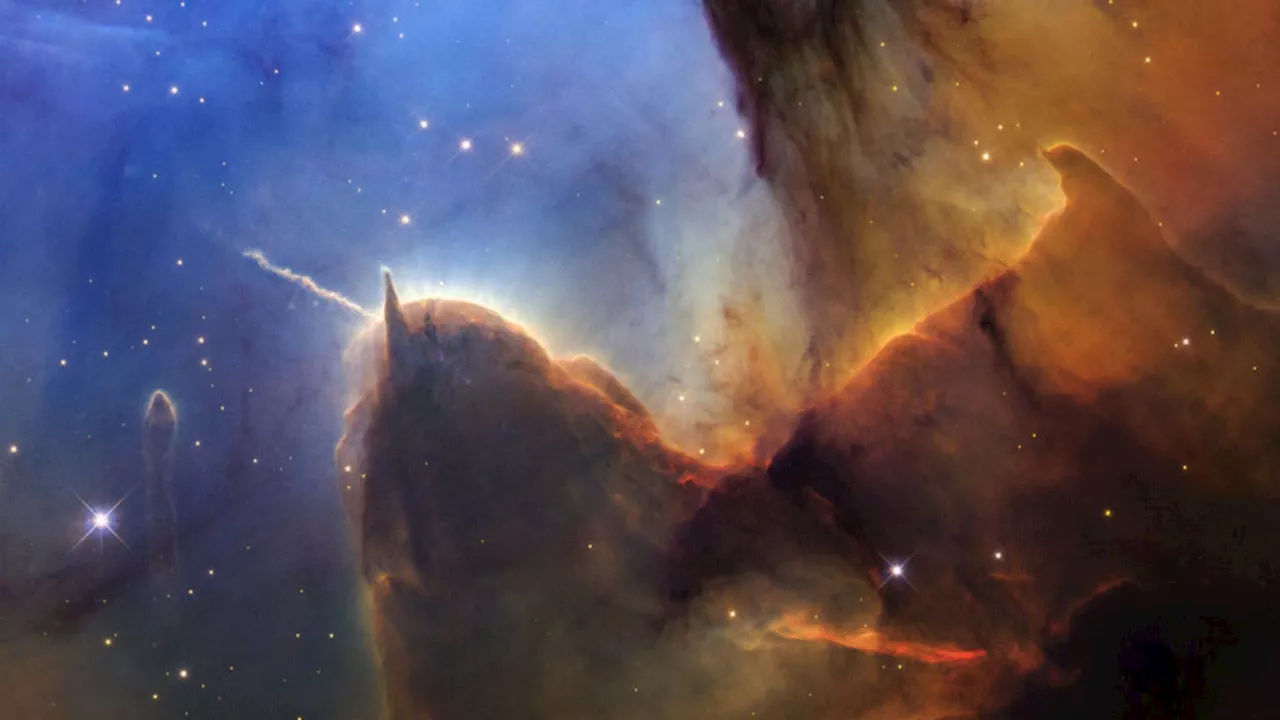
Meanwhile, the Hubble Space Telescope continues to amaze with new high-resolution images of the Trifid Nebula—located 5,000 light-years away and dubbed the “Cosmic Sea Lemon” for its yellow-orange hues. Comparing images taken 30 years apart reveals how powerful radiation and stellar winds sculpt this star-forming region, carving glowing ridges and jets from baby stars. These insights illuminate the dynamic forces shaping our galaxy and offer clues about star formation processes that ultimately led to planets like Earth.
Additional sequences from Hubble captured the ongoing evolution of the Crab Nebula, a supernova remnant exhibiting dramatic changes over 25 years that help astrophysicists understand the life cycle of stars.
Scientific Frontiers Expand Beyond Space
Breakthroughs are not limited to astronomy. Laboratory teams have succeeded in creating artificial neurons, advancing prospects for bio-integrated tech and treatments for neurological diseases that impact millions nationwide.
Adding to this remarkable wave of discovery is a rare archaeological find in Egypt, where researchers uncovered a copy of the “Iliad” within a mummy’s tomb. This unprecedented artifact sheds new light on ancient cultural exchanges and literary traditions, deepening our connection to humanity’s distant past.
On the biomedical front, scientists intensify their search for therapies against deadly brain-eating amoebas, underscoring an ongoing battle with rare but devastating infectious diseases threatening public health.
Aurora Alert and What’s Next
The cosmic revelations don’t stop at distant galaxies and ancient relics. The sun’s atmosphere has developed a giant hole, creating conditions for potentially spectacular northern lights visible across several U.S. states — a rare natural light show that will captivate skywatchers in the coming days.
For residents of South Carolina and beyond, these discoveries aren’t just distant wonders; they reveal the fragility of Earth’s climate and environment and inspire hope through human ingenuity in science and exploration. With each passing day, satellite missions, telescopes, and laboratories are unlocking the universe’s secrets and providing clues critical to our survival and understanding of the cosmos.
Readers can stay ahead with continuous updates by subscribing to science newsletters highlighting these fast-moving developments, skywatching tips, and breakthroughs shaping the future of space, climate, and technology.
“The largest 3D cosmic map and new climate alarms mark a pivotal moment in science that demands attention worldwide,” said a NASA spokesperson.