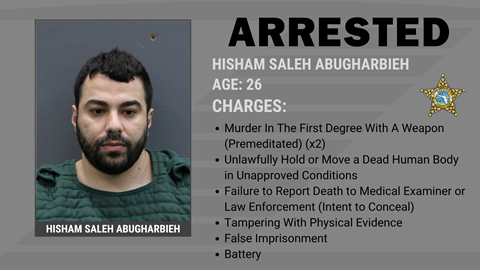
Prosecutors Unveil Critical Evidence in USF Double Homicide Case
HILLSBOROUGH COUNTY — Prosecutors have laid out a damning timeline of purchases, forensic discoveries, and digital activity as they push to hold a man without bond in the double homicide of University of South Florida doctoral students Zamil Limon and Nahida Bristy.
In a compelling pretrial detention motion, the State details what it calls “extensive evidence” of planning, cleanup, and efforts to hide the crimes, underscoring the severity of the charges: two counts of first-degree murder. The suspect’s custody status now hinges on a judge’s imminent decision amid mounting proof.
Timeline of Purchases and Forensic Findings
Investigators have connected the defendant to a series of suspicious purchases and deliveries right around the victims’ disappearance on April 16, 2026. Records show that cleaning products—including Lysol wipes, Febreze, and body wash—were ordered and picked up from a CVS that same night.
Additional items tied to the case include heavy-duty black trash bags, fire starter materials, charcoal, lighter fluid, and duct tape. Some of these were recovered from a dumpster linked to the apartment complex where the defendant lived alongside one victim.
Inside the dumpster, police found discarded clothing, socks, slides, and a floor mat—many testing positive for blood. Personal items and a wallet belonging to a victim were also discovered, adding to the mounting forensic case.
Blood Evidence Shows Attempted Cleanup
Multiple areas inside the apartment—including the hallway, kitchen, and the defendant’s bedroom—tested presumptively positive for blood. Investigators observed smear patterns suggesting intentional attempts to clean and erase evidence.
Heavy-duty trash bags matching those found in the dumpster were also recovered from the defendant’s bedroom and bathroom, suggesting a coordinated cleanup effort following the crimes.
Digital Searches and Movement Tied to Crime
Digital evidence plays a key role in the prosecution’s motion. The defendant conducted multiple online searches before and after the victims vanished, including queries like “what happens if a body is placed in a garbage bag and thrown into a dumpster” and “how to dispose of bodies.” Other searches referenced firearms legal ownership and vehicle cleaning or alteration.
Phone data and vehicle movements track the suspect traveling between Tampa and Clearwater. Surveillance footage and license plate readers captured his vehicle on key routes including Fletcher Avenue, the Courtney Campbell Causeway, and Clearwater Beach. Investigators also tracked one victim’s phone moving along a similar route before going inactive. Surveillance later spotted a figure matching the suspect in the Sand Key area.
Victims’ Bodies and Investigation Status
Authorities found the body of one victim near the Howard Frankland Bridge wrapped in multiple trash bags. The autopsy confirmed homicide by multiple sharp force injuries. The second victim remains missing, but blood and evidence strongly indicate she was also killed.
On Sunday, human remains were recovered near I-275 and 4th Street N by Hillsborough and Pinellas County sheriffs. Their identification is pending at the Pinellas County Medical Examiner’s Office.
Prosecutors Demand No Bond Due to Danger and Guilt
The State argues the defendant’s deliberate procurement of cleanup supplies, his digital searches about disposing of bodies, and the overwhelming forensic evidence point to a “substantial probability of guilt” and a “clear danger” to the community.
Prosecutors insist no bond conditions could guarantee public safety or protect the judicial process, urging the court to deny bond entirely under Florida law’s presumption of guilt in such serious cases.
The judge’s ruling on pretrial detention is expected soon, with the case unfolding as authorities continue searching for the second victim and piecing together the chilling timeline behind the murders.
Hillsborough County Sheriff’s Office spokesperson: “We are committed to seeking justice for the victims and ensuring community safety as this case moves forward.”
Why This Matters
This case highlights the use of forensic science, digital footprints, and traditional policing in solving brutal crimes. For South Carolina readers and the nation, it underscores the growing reliance on technology and evidence-based prosecution to swiftly bring dangerous suspects into custody.
As the legal battle intensifies, the implications on bail practices and violent crime consequences will resonate broadly, reminding all communities of the urgent need for vigilant law enforcement and judicial rigor to protect public safety.