Florida Faces Heightened Wildlife Alert as Alligator and Crocodile Activity Surges
Florida residents and millions of tourists are being urged to exercise caution as both American alligators and American crocodiles actively share habitats in the state’s freshwater and coastal areas. This summer, the Florida Fish and Wildlife Conservation Commission (FWC) has ramped up safety warnings amid increased sightings and interaction risks, marking Florida as the only place on Earth where these two powerful reptiles coexist in the wild.
Immediate Risk: Know the Difference to Stay Safe
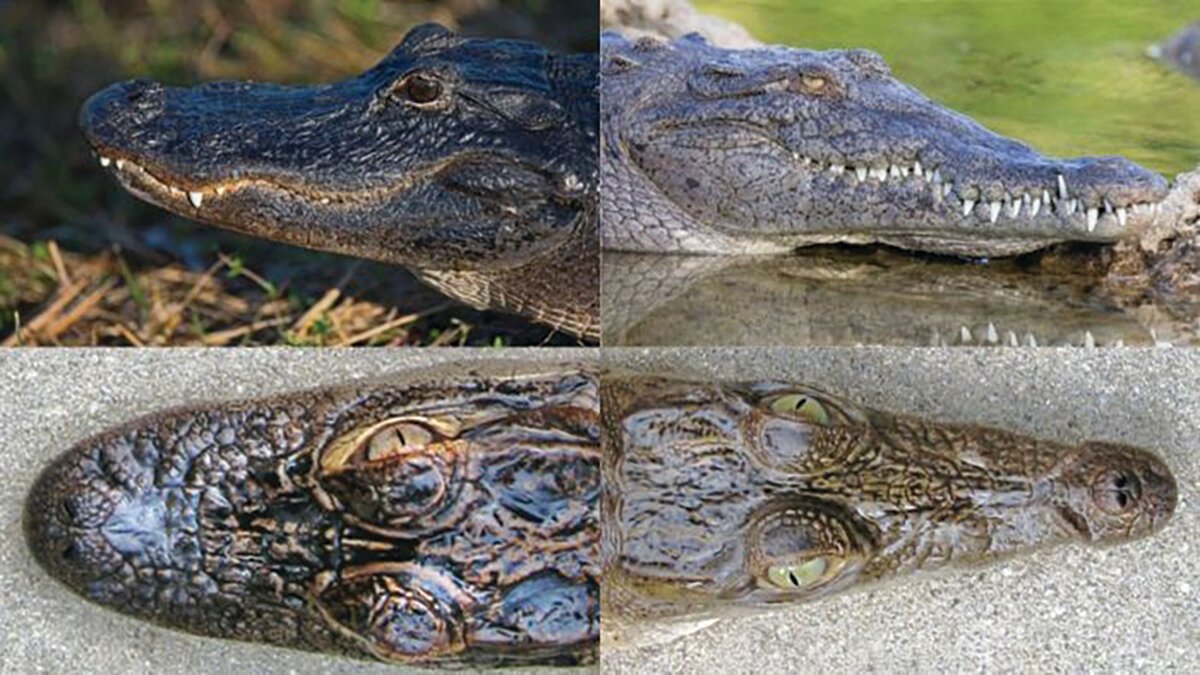
Alligators and crocodiles may appear similar but exhibit distinct features that affect how Floridians and visitors should respond. Alligators possess a broad, “U”-shaped snout with mostly upper teeth visible when their mouths close. In contrast, crocodiles show a slimmer, “V”-shaped snout with both top and bottom teeth on display. Additionally, alligators tend to be darker gray, while crocodiles are lighter, brownish-gray.
These differences matter because each species prefers different environments that span Florida’s vast waterways. Alligators predominantly occupy freshwater ecosystems such as lakes, slow rivers, and wetlands found statewide, while crocodiles favor the southern Florida coastal regions, thriving in brackish and saltwater habitats.
FWC Warns to Avoid Dangerous Encounters This Season
FWC officials stress the critical importance of keeping a safe distance from both reptiles as activity spikes during warmer months when they are most visible—particularly around dawn and dusk when alligators are most active. Fish and Wildlife urge pet owners to leash their animals and stay away from water edges, where these predators often roam.
Swimming should be limited to designated areas and times without pets, especially given these reptiles’ habit of moving between water bodies over land. Such travel does not signal hunting behavior but increases human-wildlife encounters.
Feeding alligators or crocodiles remains illegal and dangerous. The FWC warns that feeding leads animals to lose their natural fear of humans, promoting nuisance behavior that results in increased removals from the wild. Residents and tourists are urged to report concerns immediately by calling the FWC Nuisance Alligator Hotline at 866-FWC-GATOR (866-392-4286), where trained experts evaluate and dispatch nuisance trappers as needed.
Human and Ecological Impact
Florida’s unique ecosystem hosts a delicate balance where American alligators and crocodiles play critical roles as apex predators. Their coexistence is a rare global phenomenon but one that demands heightened public awareness, especially as warm weather draws more people to waterfronts.
Heightened vigilance helps prevent tragic encounters and protects these species’ natural habitats amid growing residential and recreational pressure. The FWC continues collaboration with conservation groups to educate communities through resources available at MyFWC.com and Gatrowise.Org, offering vital strategies to live safely alongside these formidable reptiles.
What Comes Next? Stay Informed and Prepared
As summer advances, Florida’s officials expect continued alligator and crocodile activity and urge everyone to stay informed through official channels. The safety guide emphasizes no sudden movements near reptiles, avoiding water edges after dark, and never provoking or feeding any crocodilian. The FWC’s swift response system remains active, protecting both humans and wildlife while preserving the state’s extraordinary reptile population.
For South Carolinians and others across the United States planning to visit or live near southeastern wetlands or coastal waters, the Florida case underscores a growing need for awareness about similar wildlife risks. Learning to differentiate between species and practicing safety routines can save lives and protect native ecosystems in multiple states.