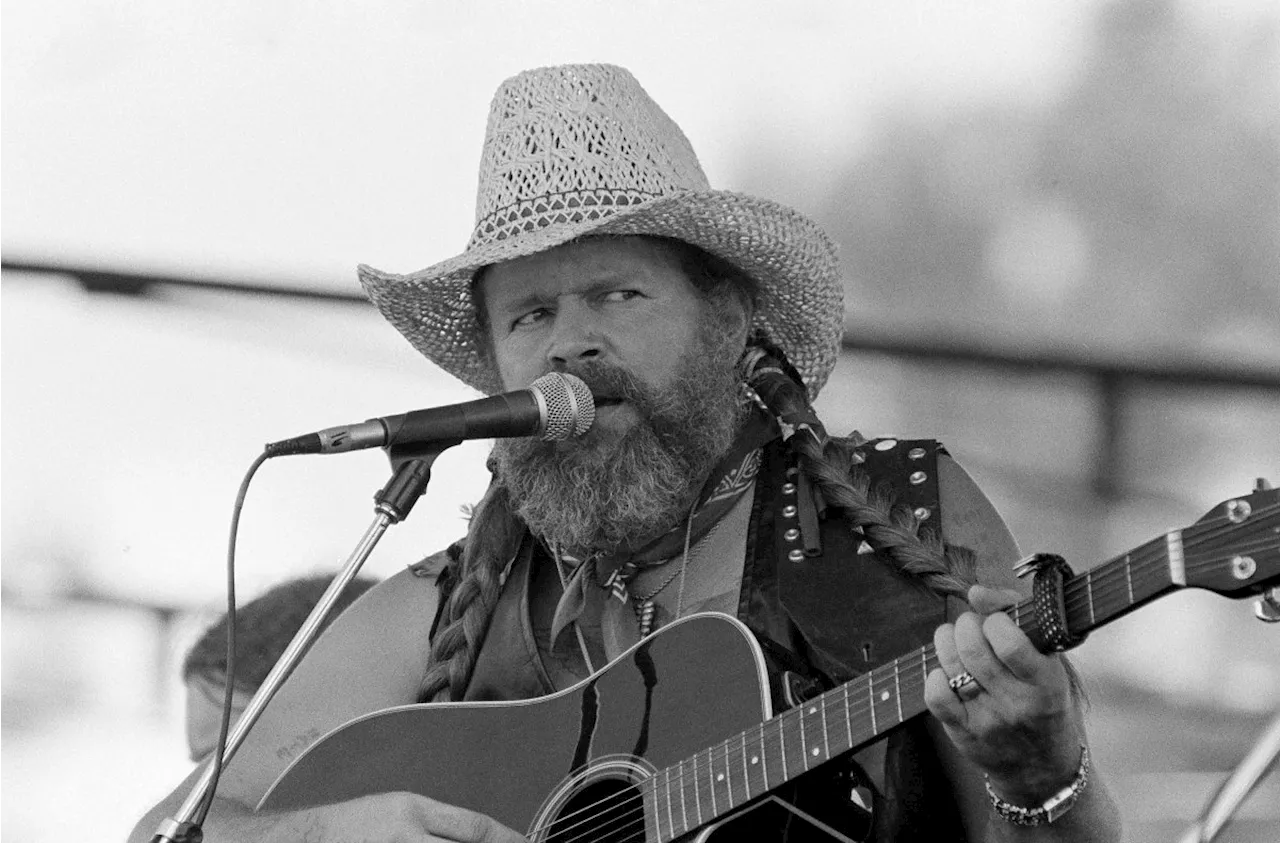
Country Music Icon David Allan Coe Dies at 86
David Allan Coe, the outlaw country singer-songwriter who gave the world hits such as “You Never Even Called Me by My Name” and “Take This Job and Shove It,” has died at the age of 86. His widow, Kimberly Coe, confirmed his passing on April 29, sending shockwaves through the country music community and fans nationwide.
A representative told Rolling Stone that Coe was “one of the best singers, songwriters, and performers of our time never to be forgotten.” Kimberly mourned her late husband as “my friend, my confidant and my life for many years. I’ll never forget him and I don’t want anyone else to ever forget him either.”
A Life and Career Marked by Raw Talent and Controversy
Born in 1939 in Akron, Ohio, Coe’s early life was turbulent, involving reform schools and a prison stint from 1963 to 1967. It was during incarceration that Coe turned his focus to music, reflecting in his words: “No one could take it away from me… I could still make up a song in my head,” setting a foundation for his gritty, autobiographical storytelling that would define decades of his career.
Launching his career in Nashville, Tennessee, Coe emerged in the 1970s as a significant figure in the outlaw country movement. He penned the infamous blue-collar anthem, “Take This Job and Shove It”, a 1977 hit made famous by Johnny Paycheck that even inspired a 1981 film adaptation. Over his career, Coe released more than 40 albums, including hits like “Mona Lisa Lost Her Smile” and “Longhaired Redneck.”
Despite his success, Coe’s legacy remains complex. Some of his underground recordings from the late 1970s and early 1980s sparked controversy due to offensive and explicit lyrics containing racist and misogynistic themes. While Coe denied accusations of racism, critics say this shadow followed him throughout his career, coloring public perception.
Late-Career Legal Troubles and Lasting Impact
In later years, Coe’s troubles extended beyond music. In 2016, he was ordered to pay nearly $1 million to the Internal Revenue Service (IRS) for obstructing the agency and was sentenced to three years’ probation. Despite legal challenges, Coe maintained a loyal fan base and remained a significant figure in American country music history.
His passing comes at a time when the outlaw country genre continues to influence artists across the United States, including deep roots in Southern states like South Carolina where country music culture thrives. Coe’s hard-edged storytelling and uncompromising style reflect an era of American music that challenged mainstream norms and pushed creative boundaries.
What’s Next for Fans and the Outlaw Country Legacy
Fans and fellow musicians are expected to pay tribute in the coming days, with many likely revisiting Coe’s extensive catalog that shaped outlaw country as a rebellious counterpoint to Nashville’s polished sound. Industry insiders and historians will continue to debate Coe’s artistic impact versus the controversies that shadowed his career.
As news of his death spreads, South Carolina readers and country music fans nationwide will remember David Allan Coe as a polarizing figure who broke codes in music and lives on through his songs and stories about resilience, rebellion, and blue-collar life.
“He was one of the best singers, songwriters, and performers of our time never to be forgotten,” a representative said
More updates on memorials and tributes will follow as the country music world honors this outlaw legend.