Military Helicopters Deploy 27 Militia to Key Myanmar Outposts in Strategic Buildup
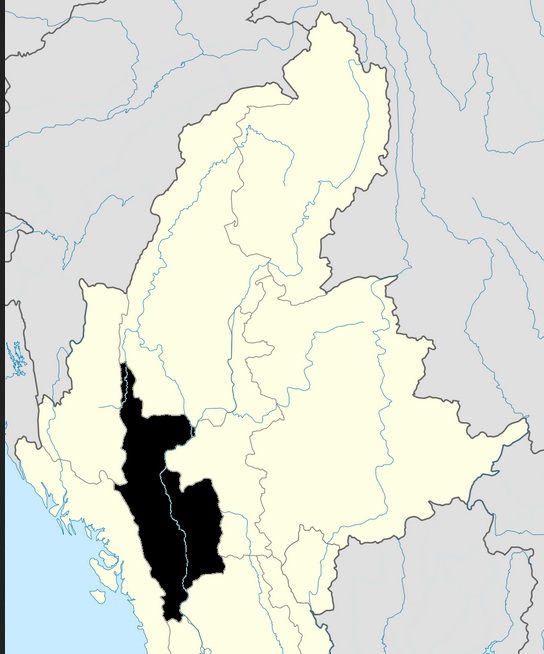
New reports confirm that two Mi-17 military transport helicopters operated by Myanmar’s State Security and Peace Commission (SSPC) landed at a remote outpost in Hintharwadi village, northern Gangaw township, Magway Region on 4 May 2026. The operation marks a significant reinforcement move, with a total of 27 pro-military Pyusawhtee militia members airlifted as part of an escalating security buildup in the region.
According to local sources cited by Yaw Atlinn news, the first helicopter delivered 13 Pyusawhtee fighters to LIB 228 in Kalay, while a second flight airlifted 14 others to LIB 89. The landings occurred at around 11:51 a.m., signaling an intensification of troop deployments after the military’s recent recapture of Falam town in Chin State.
Strategic Reinforcements Foreshadow Potential Offensive
Observers interpret these movements as clear preparation for a larger push to regain control over the Gangaw–Kalay Union highway, a vital transportation and logistics route in northern Myanmar. The coordination between the national military and the pro-government Pyusawhtee militia underscores a consolidated effort to tighten control over contested terrain.
Further reports reveal additional militia members from villages east of the Myittha River crossed into the Hintharwadi area the night before, highlighting ongoing, multi-directional force buildups. This buildup creates heightened tension, fueling speculation about imminent military operations in the region.
Why This Matters Now
The emerging military activity reflects broader conflict dynamics in Myanmar that have global observers concerned over escalating violence and regional instability. The strategic use of helicopters like the Mi-17 for rapid troop deployment indicates the military’s intent to reinforce vulnerable frontlines efficiently as resistance forces also intensify their activities.
For readers in South Carolina and across the United States, these developments are part of a global pattern where governments use aerial mobility to quickly shift paramilitary units into conflict zones, raising questions about humanitarian impact and regional security.
What to Watch Next
Key indicators to monitor include further helicopter deployments, changes in control over strategic highways, and expanded militia activity. Tracking updates will reveal whether these troop movements lead to a major offensive or a prolonged standoff.
Reporting by Ben, sourced from local news outlet Yaw Atlinn, this story remains fluid with developments expected as the situation unfolds in northern Myanmar.