Apple and Google’s Tracker Tags Dominate Market with Superior Accuracy and Speed
New data reveals Apple and Google tracking tags significantly outperform Samsung’s Smarttag in real-time location updates and reliability, shaking up the gadget finder landscape. The latest tests confirm that while Apple’s AirTag leads with instantaneous location refreshes, Google’s Find network has made major strides in reliability, putting it almost on par after a shaky start.
Unlike Samsung’s Smarttag, which has suffered delays reaching hours without updates, both Apple and Google consistently provide near-instantaneous information via their vast networks of devices. Samsung’s own tag system, relying solely on a limited selection of Galaxy phones, struggles to keep up with the scale and breadth of phones supporting Apple and Google’s networks.
How Tracking Tags Work—and Why Apple and Google Have the Edge
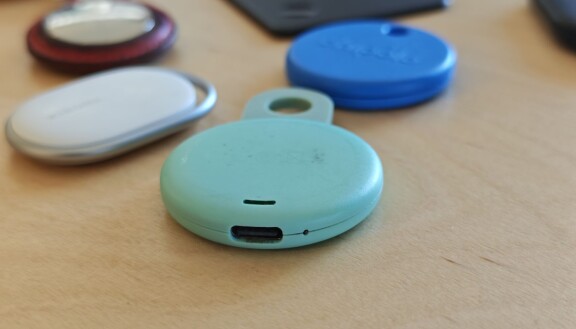
Tracking tags like Apple’s AirTag, Google’s Moto Tag, and Samsung Smarttag link with nearby phones via Bluetooth, utilizing those devices’ GPS and internet connections to report their position. This indirect network approach enables tags to boast long battery lives—typically lasting about a year on coin-cell batteries like the CR2032. Apple users power the Find network through their iPhones, while most Android devices, including many Samsung models, contribute to Google’s Find network.
Google’s launch of the Moto Tag this summer marked a significant milestone for Android tracking solutions. Early difficulties in activating phones to join Google’s Find network have been largely resolved, drastically improving the network’s responsiveness and coverage across the U.S. and globally. However, coverage and performance remain dependent on the density of participating devices in a given area.
Samsung’s Lagging Smarttag and Limited Coverage
Samsung’s tracking technology, based on its Smartthings Find network, has fallen behind both Apple and Google in recent trials. During prolonged tests at bustling public places such as Beijing airport, Samsung’s Smarttag failed to report locations for several hours, whereas Apple and Google devices continued providing regular updates. Samsung’s system only works with a subset of Galaxy phones, severely limiting its range compared to the billions of phones on Apple and Google’s universal Bluetooth locator networks.
Extra Features and Usability: Chipolo Shines with Dual Network Support
Chipolo, a notable third-party manufacturer, has introduced trackers compatible with both Apple and Google networks. Although these track only one network at a time, buyers benefit from flexibility, as these tags function regardless of phone brand—ideal for gifts or for users planning to switch phones. Chipolo also offers rechargeable models with wireless or USB-C charging, eliminating the need for disposable battery replacements.
Additional functions offered by some tags include remote phone ringing activated by double-tapping the tag and remote camera shutter control, features available on Moto Tag, Samsung Smarttag, and Chipolo devices. Apple’s AirTags, although proprietary, update location data instantly within the Find app, a slight advantage over third-party tags where a few seconds’ delay may occur.
Safety, Privacy, and Consumer Protection Measures
Concerns over illegal tracking prompted Apple, Google, Samsung, and other manufacturers to implement robust safeguards. Users receive automated warnings if an unknown tag is detected following them, with clear instructions on prevention. Participation in contributing location data to the Find networks is voluntary and designed to have little to no impact on phone battery life or data usage.
What This Means for South Carolina and U.S. Consumers
With Apple and Google controlling the vast majority of the tracker tag ecosystem, South Carolina consumers can rely on faster, more accurate locating services for valuables and personal items. Whether securing keys, wallets, backpacks, or even bicycles, choosing a tag linked to Apple’s or Google’s network ensures top-level support and nationwide coverage enhanced by millions of devices. Samsung users should be wary of limitations and inconsistent tracking, especially in high-traffic areas.
Technological advances by Google have helped close gaps, making Android users less vulnerable to fragmentation, while Apple’s early head start continues to provide unparalleled seamless performance. For those seeking convenience and future-proofing without brand lock-in, multi-network third-party trackers like Chipolo are gaining popularity due to their flexibility and rechargeable options.
What to Watch Next
As these networks expand and more devices participate, expect further improvements in update frequency and tracking accuracy. Manufacturers are also likely to enhance safety features, addressing privacy concerns head-on. For South Carolina residents and U.S. consumers, the battle between Apple and Google dominates the space, with Samsung trailing—making device choice more critical than ever when safeguarding personal belongings.