Nigeria’s Key Civil Society Groups Demand 90-Day Election Delay
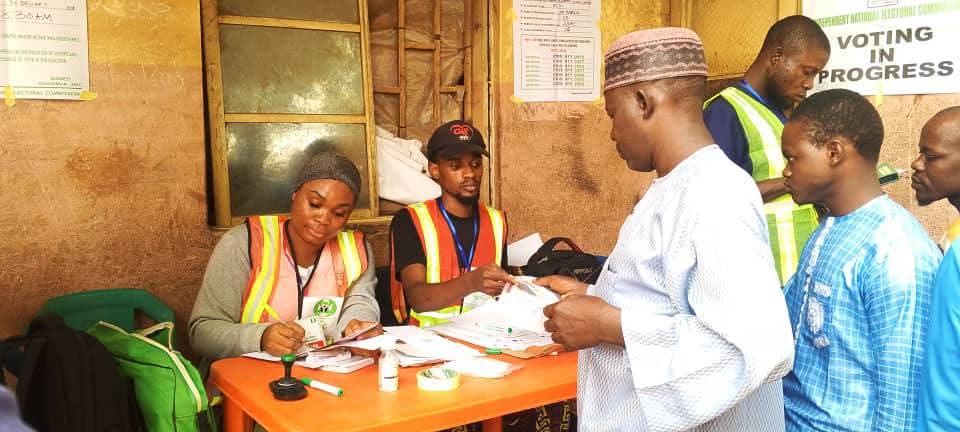
A coalition of Nigerian civil society organisations has boldly demanded a 90-day extension to the 2027 general election timetable, warning today that unresolved party leadership disputes and mounting insecurity threaten the credibility of the country’s entire democratic process.
The Movement for Credible Elections (MCE), working with the Good Governance Group (GGG), submitted a formal letter to the Independent National Electoral Commission (INEC) headquarters in Abuja on May 4, 2026, arguing that strict adherence to current election deadlines risks undermining fairness and public trust.
Legal Battles and Insecurity Threaten Electoral Fairness
The coalition pointed to recent Supreme Court rulings that have left critical opposition parties—including the African Democratic Congress (ADC), Social Democratic Party (SDP), Peoples Democratic Party (PDP), and Labour Party (LP)—mired in internal leadership disputes that obstruct essential preparations.
These legal uncertainties, the groups insist, have created operational hurdles that prevent parties from completing congresses, updating membership registers, or conducting credible primaries consistent with INEC’s guidelines.
“Where strict adherence to timelines undermines fairness, such timelines must yield to equity,” the coalition stressed in their letter, urging INEC to exercise its constitutional discretion under Section 153 to recalibrate the election calendar.
The groups warned that without this extension, the ongoing disputes and INEC’s regulatory stance risk fostering an uneven electoral playing field, eroding democratic accountability and inflaming public distrust in electoral neutrality.
Coalition Leaders Call for Urgent Action to Protect Democracy
“A 90-day extension is not a concession; it is a necessary recalibration to restore balance and uphold the principles upon which our democracy is founded,” wrote Prof. Usman Bugaje, chairman of MCE, alongside co-chairs Dr. Oby Ezekwesili and representatives from GGG and the MCE secretariat.
The letter highlights how Nigeria’s constitution demands political parties maintain updated membership registers, a requirement currently jeopardized by unsettled leadership—which threatens inclusivity and the transparency of internal party elections.
This growing electoral disarray comes against a backdrop of insecurity concerns and fraught political tensions that many experts fear may deepen national divisions ahead of the highly anticipated 2027 general elections.
Why This Matters for Global Democracy Watchers
Nigeria, Africa’s largest democracy and an influential regional power, holds elections that often serve as a barometer for stability and democratic health across emerging economies. The potential extension, if granted, would impact political timelines and may reshape how electoral bodies worldwide balance fairness with rigid scheduling.
The coalition’s urgent call raises critical questions about election oversight institutions’ ability to manage contestation, legal complexity, and operational challenges in highly divided societies—a challenge that resonates globally, including here in the United States where election credibility remains a vital democratic pillar.
What to Watch Next
As of now, INEC has yet to respond officially to the request. The commission’s decision in the coming weeks will be pivotal—either moving to accommodate the concerns raised or maintaining the current timetable and potentially triggering further legal battles and deepening public skepticism.
US political observers and South Carolina voters alike can glean lessons on the importance of legal clarity, institutional trust, and the delicate balance between election timelines and democratic fairness from Nigeria’s unfolding electoral drama.
Stay tuned as this critical story develops, with global implications for election administration and democratic resilience in uncertain times.