Deadly Hantavirus Outbreak Strikes Cruise Ship MV Hondius Amid Global Concern
A rare and deadly hantavirus outbreak aboard the cruise ship MV Hondius has claimed the lives of three passengers and triggered emergency evacuations. The vessel left Ushuaia, Argentina, on April 1, 2026, and is currently anchored off the coast of Cape Verde after the outbreak was confirmed.
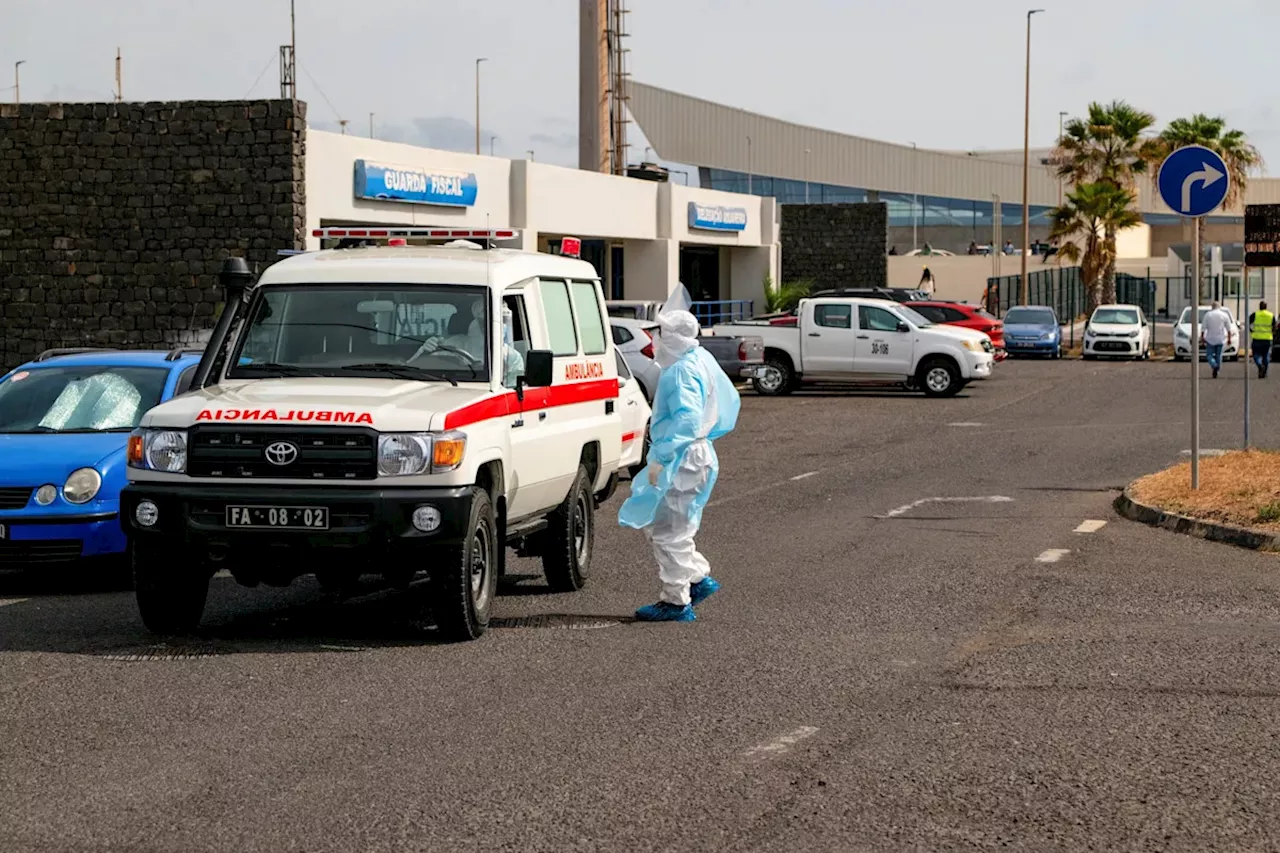
Officials report that two crew members and one other passenger, all suspected to be infected with a rare strain of hantavirus capable of human-to-human transmission, were evacuated by medical flights on May 6, 2026. These planes landed in Spain’s Canary Islands and the Netherlands where infected individuals are receiving immediate medical attention.
Rare Virus Confirmed as Cause of Death and Infection
The cruise ship has become a critical case in infectious disease surveillance due to the virus’ unusual ability to spread between humans. Experts confirmed the presence of hantavirus pulmonary syndrome (HPS), a severe respiratory illness typically transmitted from rodents but now verified in this rare human cluster.
The three fatalities aboard the MV Hondius occurred during the ship’s voyage, heightening fears of further transmission among the remaining passengers and crew, who boarded four weeks ago. Symptoms of hantavirus can take between one and six weeks to manifest, putting the entire passenger manifest under close observation ahead of their planned disembarkation on May 11, 2026.
Global Health Authorities Mobilize in Response
Health officials and infectious disease experts have been monitoring the situation around the clock. The identification of a strain capable of human contagion is particularly alarming because hantavirus outbreaks are historically rare and usually linked to exposure to rodent droppings rather than direct person-to-person transmission.
“This is a rare and dangerous development that requires urgent containment and medical intervention,” said an infectious disease specialist involved with the evacuation efforts.
Countries involved in the evacuation operations are coordinating contact tracing and quarantines to prevent further spread. The unusual outbreak presents a real threat not just to those aboard but also potentially to port cities where the ship might dock, making it a critical global health concern.
What This Means for Travelers and Coastal Regions Including the US
The MV Hondius incident underlines risks faced by global travelers and highlights the importance of vigilance in outbreaks of rare diseases. While the virus has not been reported in the US, the confirmation of human-to-human transmission raises alarms for public health agencies across South Carolina and the broader United States, particularly around major ports and cruise destinations.
Travelers with plans involving cruise ships or international voyages are urged to stay informed about health advisories and monitor symptoms consistent with hantavirus, such as fever, muscle aches, and respiratory distress.
Next Steps as Evacuations and Monitoring Continue
The MV Hondius remains quarantined offshore while experts assess the situation and isolate any suspected cases. Authorities are expected to allow disembarkation only after the full incubation period has passed and all passengers have been medically cleared.
Meanwhile, international health organizations are intensifying research into this unusual hantavirus strain to develop targeted responses and prevent future outbreaks.
The impact on global travel and related industries could be significant as officials weigh containment strategies and passenger safety.
For readers in South Carolina and across the US, this incident serves as a stark reminder of the continuing threats posed by emerging infectious diseases in a highly connected world.