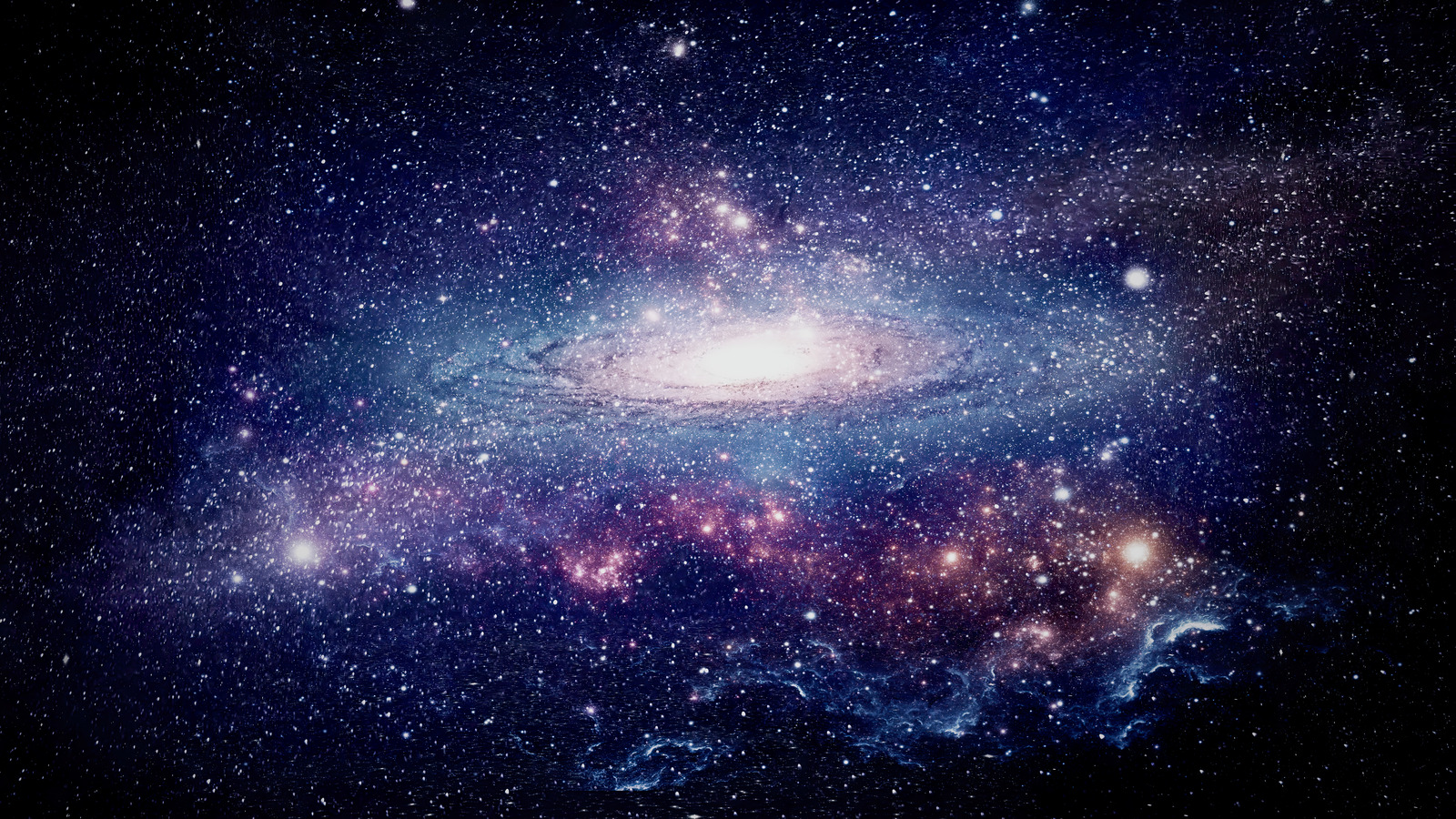
The ongoing exploration of outer space continues to yield intriguing findings regarding the potential origins of life beyond Earth. Recent studies show a consistent detection of organic molecules in various extraterrestrial environments, suggesting that the building blocks of life may be more widespread in the universe than previously thought.
The search for extraterrestrial life has captivated scientists for decades. Pioneering astronomer Jill Tarter, a key figure in the Search for Extraterrestrial Intelligence (SETI) project, has inspired many through her commitment to uncovering signs of alien life. Although the project has yet to replicate the fictional breakthroughs depicted in the 1997 film “Contact,” where Dr. Ellie Arroway, played by Jodie Foster, discovers a signal from the star Vega, the quest continues.
Evidence of Life’s Building Blocks in Space
While SETI focuses on signals from intelligent civilizations, other initiatives, such as the Galileo Project, are employing advanced technologies including ground telescopes and artificial intelligence to seek out signs of life. Additionally, researchers are investigating ancient microbial evolution in hopes of establishing connections to extraterrestrial organisms.
Recent analyses of materials from space, including cosmic dust, comets, and asteroids, have repeatedly revealed the presence of organic molecules. These compounds, which are fundamental components of all living organisms on Earth, bolster the hypothesis that life may have originated from materials found in outer space.
Data collected from various sources, including space rock samples and comet gases during flybys, adds to a growing body of evidence supporting the existence of carbon-containing compounds and even amino acids in the cosmos. Such findings raise the question: could life on Earth have begun with ingredients delivered from space?
While these discoveries underscore the potential interconnectedness of celestial bodies, they do not definitively prove how life originated on our planet. The presence of organic molecules indicates that space may harbor the necessary ingredients for life, yet a planet must also provide the right conditions for the biochemical processes that would allow life to flourish.
Earth exemplifies a conducive environment, where organic molecules could have catalyzed a significant evolutionary process. This perspective opens the door to the possibility that other planets could undergo similar transformations or may have already done so in distant galaxies.
Speculative Evidence of Extraterrestrial Life
Current knowledge regarding life on nearby planets remains limited. Notably, the strongest evidence of potential alien life has been linked to the presence of two gases associated with microbial organisms on the planet K2-18b, located approximately 124 light-years from Earth. This information, derived from data captured by NASA’s James Webb Space Telescope, suggests that microbial life forms may exist on this sub-Neptune planet. However, it is important to note that this remains speculative, as scientists have yet to physically confirm the presence of such organisms.
In summary, while ongoing research reveals tantalizing hints of life’s building blocks beyond Earth, definitive conclusions regarding the existence of extraterrestrial life remain elusive. The pursuit of understanding life’s cosmic origins continues, spurred by advancements in technology and the relentless curiosity of scientists worldwide.