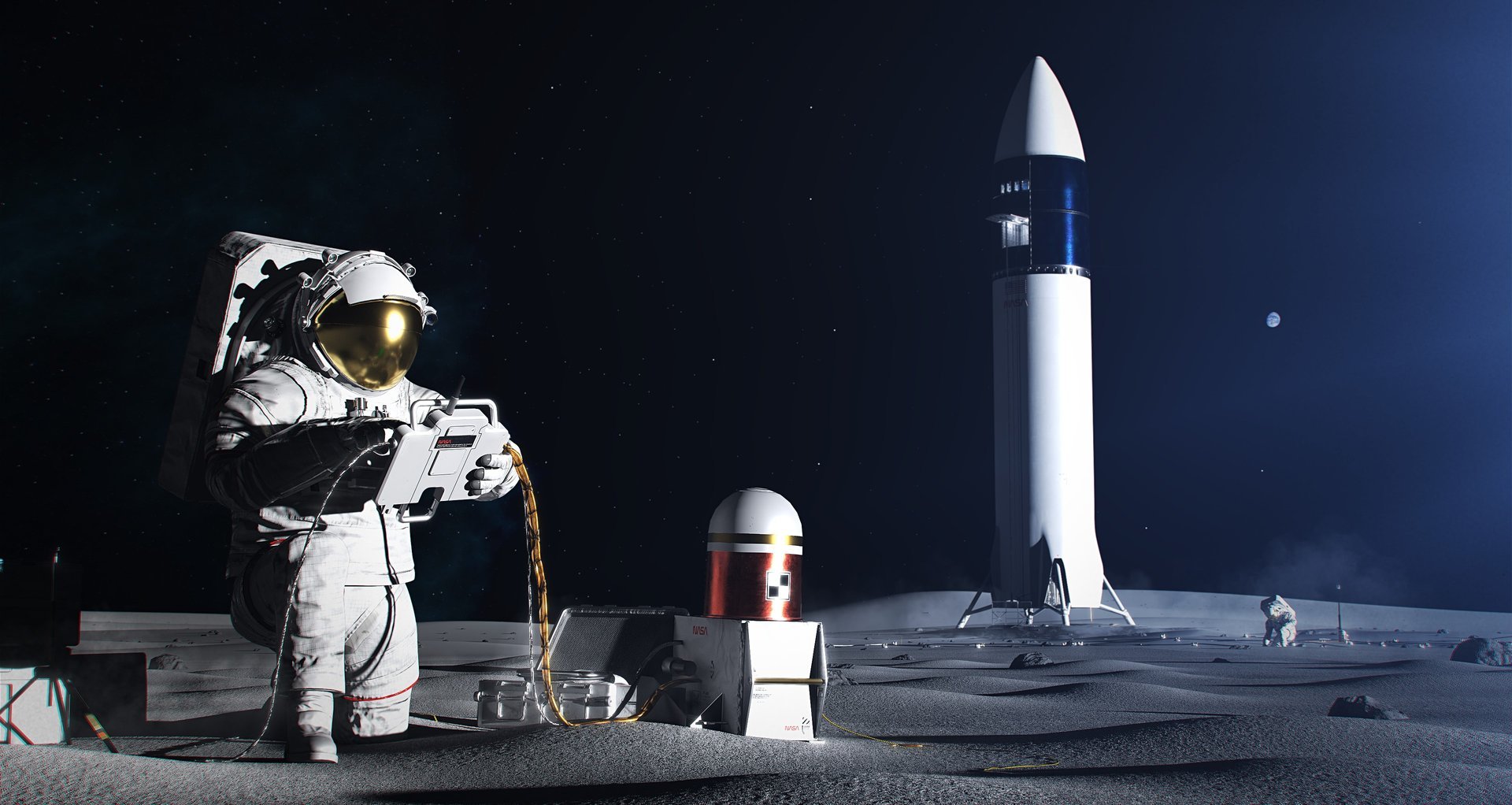
NASA is navigating through significant leadership changes and strategic challenges as it sets its sights on landing astronauts on the moon before the end of this decade. With a renewed focus on its Artemis program, the agency is also contending with the implications of its evolving leadership. According to Casey Dreier, chief of space policy at the nonprofit Planetary Society, “There’s a lot left up in the air, though the signs are more positive than I would have said a couple of months ago,” he remarked during the ScienceWriters2025 conference in Chicago.
One of the pivotal issues currently facing the agency is the impending appointment of its next administrator. Jared Isaacman, a tech billionaire known for founding his own space program, has been in the spotlight for this role. Initially nominated by former President Donald Trump, Isaacman’s nomination was withdrawn earlier this year amid disputes involving SpaceX founder Elon Musk. However, his nomination has recently been revived, creating a whirlwind of speculation about the future of NASA.
In the interim, Transportation Secretary Sean Duffy stepped in as acting administrator and has reportedly expressed interest in the permanent position. Isaacman received positive feedback following his first Senate confirmation hearing in April, and expectations are high for his second hearing, which has yet to be scheduled. Dreier noted, “I think a lot of people see that—given the range of potential options—having someone who doesn’t dislike the agency that they want to run is actually not bad.”
Despite the optimism surrounding Isaacman’s renomination, he faces scrutiny regarding a recently leaked document titled Project Athena, which outlines his vision for reforming NASA. This 62-page report suggests shifting certain responsibilities for space science missions from NASA to commercial ventures, and proposes that the agency step back from “taxpayer-funded climate science,” leaving those studies to academia. Furthermore, it raises concerns about the long-term funding of NASA’s heavy-lift Space Launch System and the Gateway lunar outpost.
These recommendations align with the budget priorities of the Trump administration, but they may not resonate well with members of Congress whose constituents benefit from NASA’s current programs. The report also questions the relevance of various NASA centers, including the Jet Propulsion Laboratory, which is instrumental in many robotic space exploration missions.
In response to the backlash from the leak, Isaacman clarified his position on the social media platform X, indicating that the leaked draft was outdated and not indicative of his current views. He emphasized that his plan “never favored any one vendor, never recommended closing centers, or directed the cancellation of programs before objectives were achieved.” Isaacman stated that the report only suggested exploring “the possibility of pivoting hardware and resources to a nuclear electric propulsion program after the objectives of the president’s budget are complete.”
Dreier expressed support for certain aspects of Project Athena, acknowledging its potential to set performance expectations necessary for ambitious projects. He highlighted the importance of nuclear electric power, viewing it as crucial for NASA’s future. “He does want to make NASA better, and so I’m personally optimistic that he will take some of this feedback and learn from this,” Dreier suggested.
Should Isaacman be confirmed, he will need to navigate a complex landscape of space policy. Dreier raised concerns about SpaceX‘s dominant role in U.S. space initiatives, particularly regarding the goal of sending astronauts to the moon. He remarked, “If you frame this as a national space race, we have therefore put our nation’s reputation and goals in the hands of literally one company.”
Moreover, there are worries that NASA might narrow its focus to just a few celestial bodies, potentially neglecting broader scientific endeavors. Dreier pointed out the disparity in capabilities between commercial entities like SpaceX and NASA regarding interplanetary missions and scientific instruments, underscoring the need for a well-rounded approach.
As the agency stands on the brink of significant changes, the direction NASA takes in the coming months will be crucial not only for its mission objectives but also for its role in the broader landscape of space exploration. The stakes are high as the agency prepares for both leadership confirmation and the challenges posed by its ambitious lunar goals.