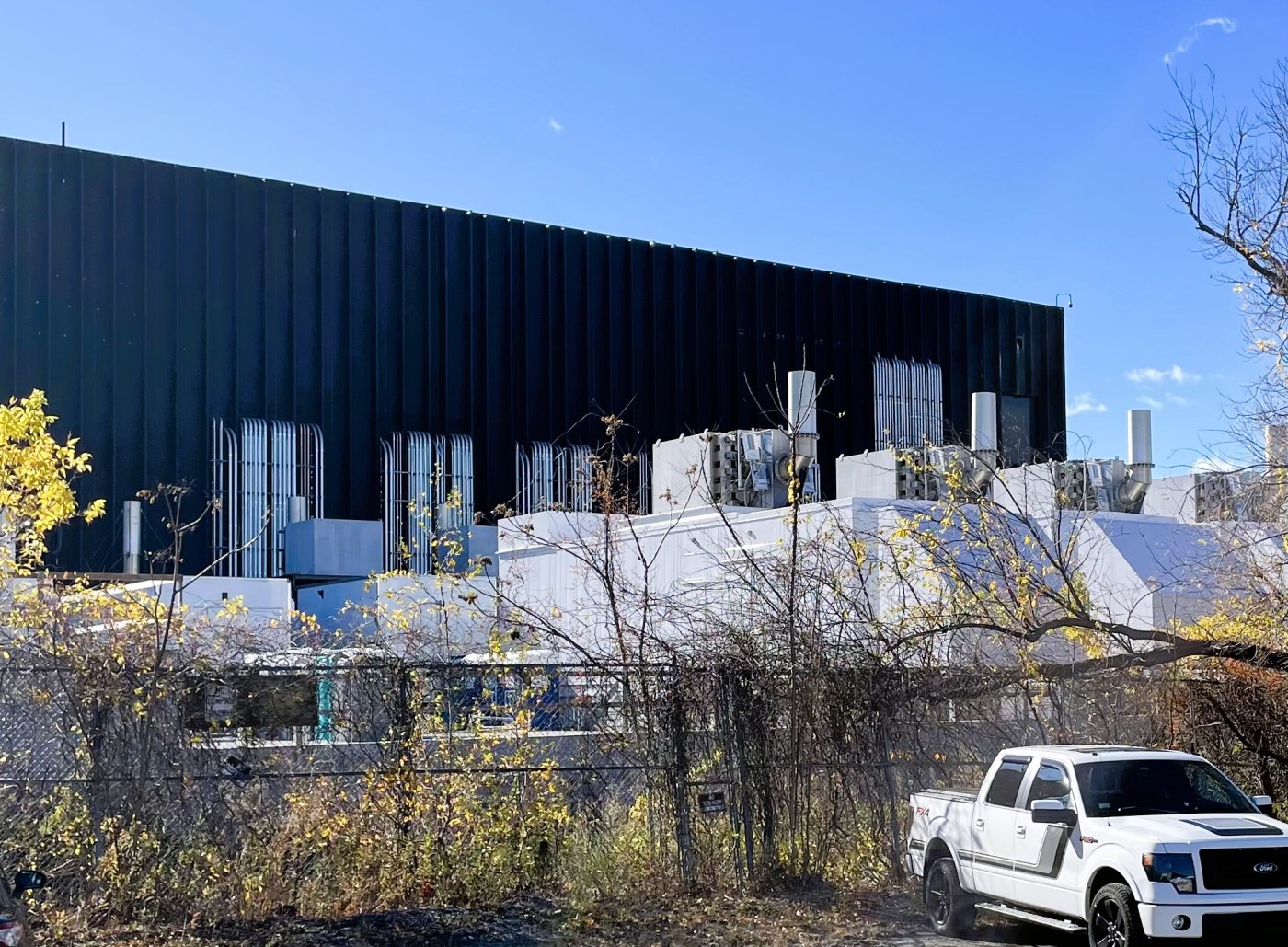
In Lowell, Massachusetts, a significant oversight by the Planning Board regarding the Markley Group’s data center has sparked community outcry. Initially approved in 2015, the site plan failed to adequately document the substantial diesel-powered backup generators that would be installed, raising questions about environmental impacts and community safety.
When the Planning Board approved the site plan, the focus was primarily on structural details such as the height of the chain-link fence and the width of the access gate. Critical measurements for the diesel generators, however, were conspicuously absent from the plans, marked only as 29 blank rectangular spaces. During a June meeting in 2015, a Markley engineer indicated that the facility could require up to 60 megawatts of power, necessitating as many as 20 generators and potentially holding 150,000 to 200,000 gallons of fuel on-site.
As time progressed, the absence of documentation for the generators came to light during a site plan revision in 2018. Assistant Planner Jared Alves noted that the location of the generators was not included in the original approved plans. This lack of oversight continued when the City Council voted in 2016 to permit the storage of 32,000 gallons of diesel fuel at the site without any mention of generator locations in the minutes.
The situation intensified in September 2023, when Markley requested an additional 96,700 gallons of fuel to support 27 emergency backup generators, which would increase the total fuel capacity to nearly 168,000 gallons. This proposal faced significant opposition from local residents concerned about increased noise and air pollution in a neighborhood already grappling with high asthma rates. Following community pushback, Markley withdrew the petition.
Despite the withdrawal, construction of the generators progressed, alongside an 8-foot stone block retaining wall around the generator yard. Observations during a November site visit revealed that the generators are now highly visible from surrounding areas, notably from nearby residential complexes and local parks. Their imposing size dwarfs the existing neighborhood character, raising concerns about the impact on local aesthetics and quality of life.
The Planning Board’s oversight raises critical questions about the capacity of municipal staff to manage large-scale projects effectively, especially when competing against well-resourced corporate interests. As Lowell continues to navigate high-stakes development projects, there are calls for improved transparency and community involvement in planning processes. Advocates are urging the city to engage professional-level consultants to ensure informed decision-making on impactful developments.
This situation highlights the need for a more robust framework for community engagement and oversight in Lowell’s planning initiatives. As the city grapples with the implications of the Markley data center, residents are advocating for a more significant voice in future decisions that affect their environment and quality of life.