BREAKING: A new discussion is igniting over the legacies of several famous figures who are revered today despite their troubling pasts. This urgent examination raises crucial questions about how society remembers historical personalities.
Just released: A list detailing celebrities like Steve Jobs and Hugo Boss reveals a stark contrast between their contributions and their controversial actions. Readers are left wondering why such figures are still celebrated today.
Steve Jobs, co-founder of Apple, is often hailed as a visionary for transforming technology. However, many overlook his tumultuous personal life, including abandoning his first child, Lisa Brennan-Jobs, and neglecting conventional cancer treatments in favor of alternative therapies. His complex legacy challenges the notion of the “genius” icon.
Hugo Boss, who founded the fashion brand, was heavily involved with the Nazi regime during World War II, producing uniforms for the SS and exploiting forced labor. His company later shifted to civilian clothing, but the shadow of his actions remains a topic of heated debate.
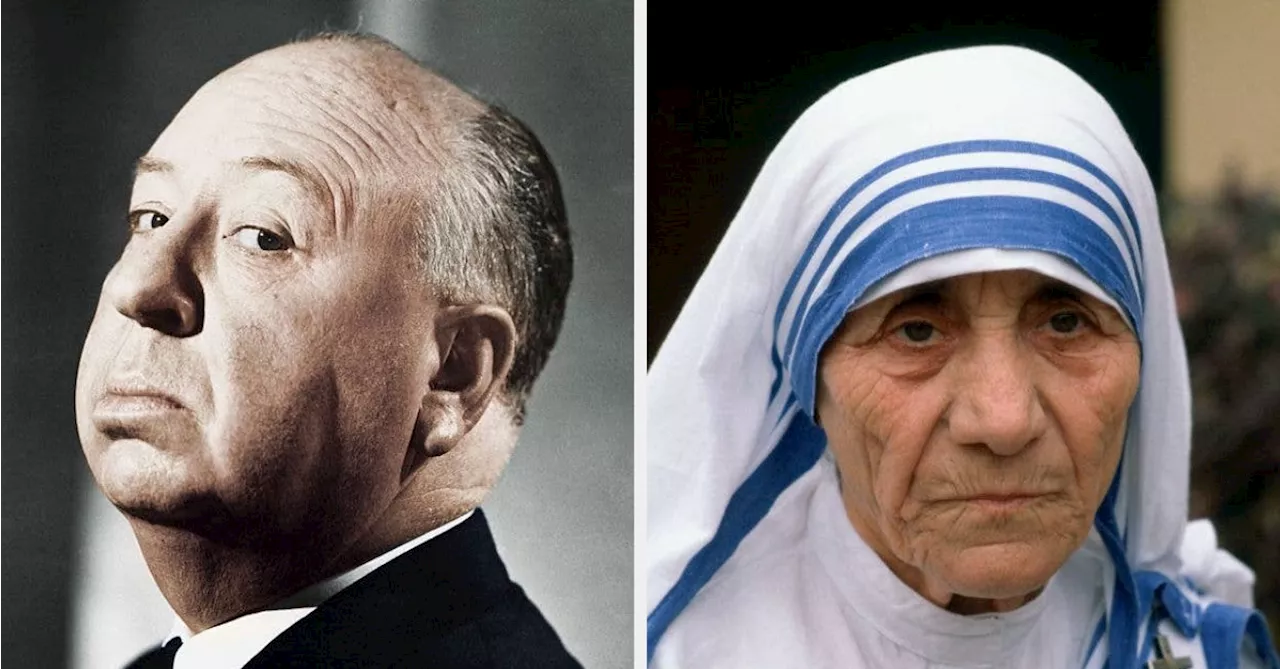
Even influential figures like Mother Teresa face scrutiny. Despite her charitable image, reports from former volunteers highlight a lack of adequate medical care provided by her organization, raising ethical concerns about her legacy.
Meanwhile, Gandhi, revered for his nonviolent resistance, engaged in questionable practices, including sleeping next to young women to test his self-control, which many contemporaries deemed exploitative. This complex narrative underscores the duality of his character.
Icons of entertainment also make the list. John Wayne, once a symbol of American masculinity, expressed racist views, while Jerry Lee Lewis is remembered for his music despite marrying his underage cousin. These legacies reflect society’s selective memory.
Moreover, renowned artists like Pablo Picasso and Alfred Hitchcock are celebrated for their creativity while being accused of emotional abuse and manipulation. Their abusive behaviors towards women have sparked fresh discussions on the intersection of art and morality.
This urgent conversation about the legacies of these figures raises essential questions about how we choose to remember our heroes. As the public grapples with the complexities of their lives, the debate over their contributions versus their misdeeds is far from over.
What’s next? As this discussion gains traction, it is crucial to reflect on how society defines greatness and the moral implications of celebrating flawed individuals. Expect continued dialogue as more historical figures are reevaluated in this light.