As the conflict in Ukraine continues, former U.S. President Donald Trump finds himself adopting a strategy reminiscent of incumbent President Joe Biden’s approach, which emphasizes a commitment to support Ukraine “as long as it takes.” This shift in stance reflects the complex geopolitical landscape shaped by Vladimir Putin’s persistent military actions and the ongoing response from NATO.
The situation has been marked by escalating tensions since Russia’s invasion of Ukraine in February 2022. The international community, particularly NATO, has rallied to provide military and financial aid to Ukraine, aiming to counteract Russian aggression. As of March 2024, the war is entering its third year, with both sides firmly entrenched and facing a stalemate on the battlefield.
In light of these developments, Trump’s alignment with Biden’s enduring support for Ukraine signals a significant shift from his previous rhetoric, which often emphasized a more isolationist stance. While Trump has voiced skepticism regarding U.S. involvement in foreign conflicts, his recent statements suggest a willingness to maintain a robust alliance with Ukraine.
Trump’s acceptance of this policy comes during a time when public opinion in the U.S. has shown strong support for aiding Ukraine. A recent survey indicated that approximately 70% of Americans back continued assistance to Ukraine, viewing it as essential to countering Russian expansionism. This public sentiment has undoubtedly influenced Trump as he prepares for a potential run in the 2024 presidential election.
Biden’s strategy, which has included significant military aid packages exceeding $100 billion, aims to bolster Ukraine’s defense capabilities. This commitment has garnered bipartisan support in Congress, further solidifying the U.S.’s position against Russian aggression. The administration has consistently stated that the goal is not just to support Ukraine but to deter similar actions from Russia and other potential aggressors.
While Trump has yet to outline specific proposals regarding American support for Ukraine, his current alignment with Biden suggests that a more unified front may be emerging among U.S. leaders. This could have implications not only for domestic politics but also for international relations, particularly as NATO continues to respond to threats posed by Russia.
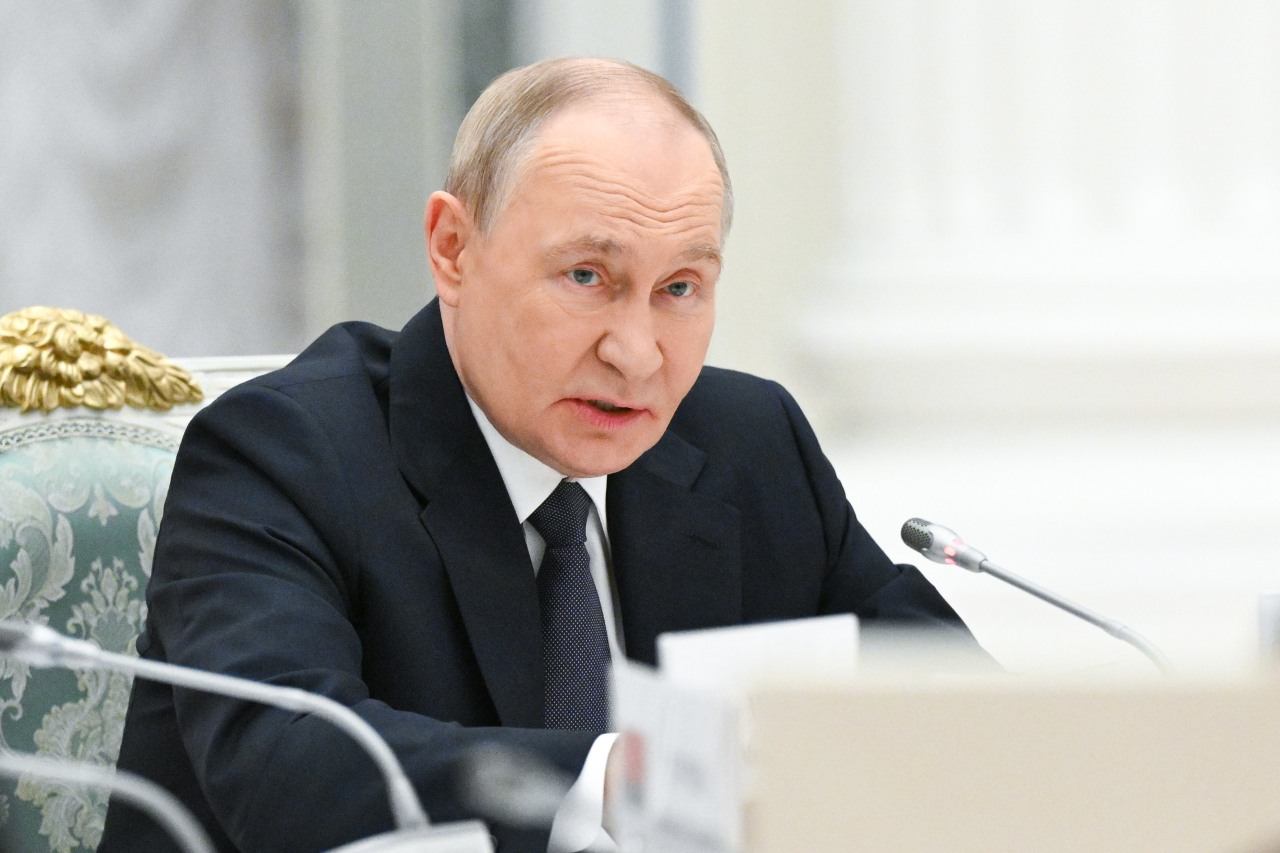
In this context, the dynamics between the U.S. and Russia remain critical. Vladimir Putin has shown no signs of backing down, maintaining his military presence in Ukraine and escalating rhetoric against Western nations. The ongoing conflict has become a focal point of his administration, which relies heavily on nationalist sentiment to bolster support at home.
As the situation evolves, the potential for diplomatic negotiations also looms. Both Trump and Biden have voiced the need for an eventual resolution to the conflict, though their methods and timelines may differ. The prospect of peace talks remains uncertain, with both sides entrenched in their positions.
Ultimately, the adaptation of Trump’s stance to mirror Biden’s policy reflects a broader recognition of the challenges posed by Putin’s actions. The convergence of their strategies highlights the gravity of the situation and underscores the importance of a unified approach in addressing the ongoing conflict in Ukraine.
With the 2024 presidential election approaching, how these leaders navigate their foreign policy positions could significantly influence their electoral prospects and the future of U.S.-Russia relations.