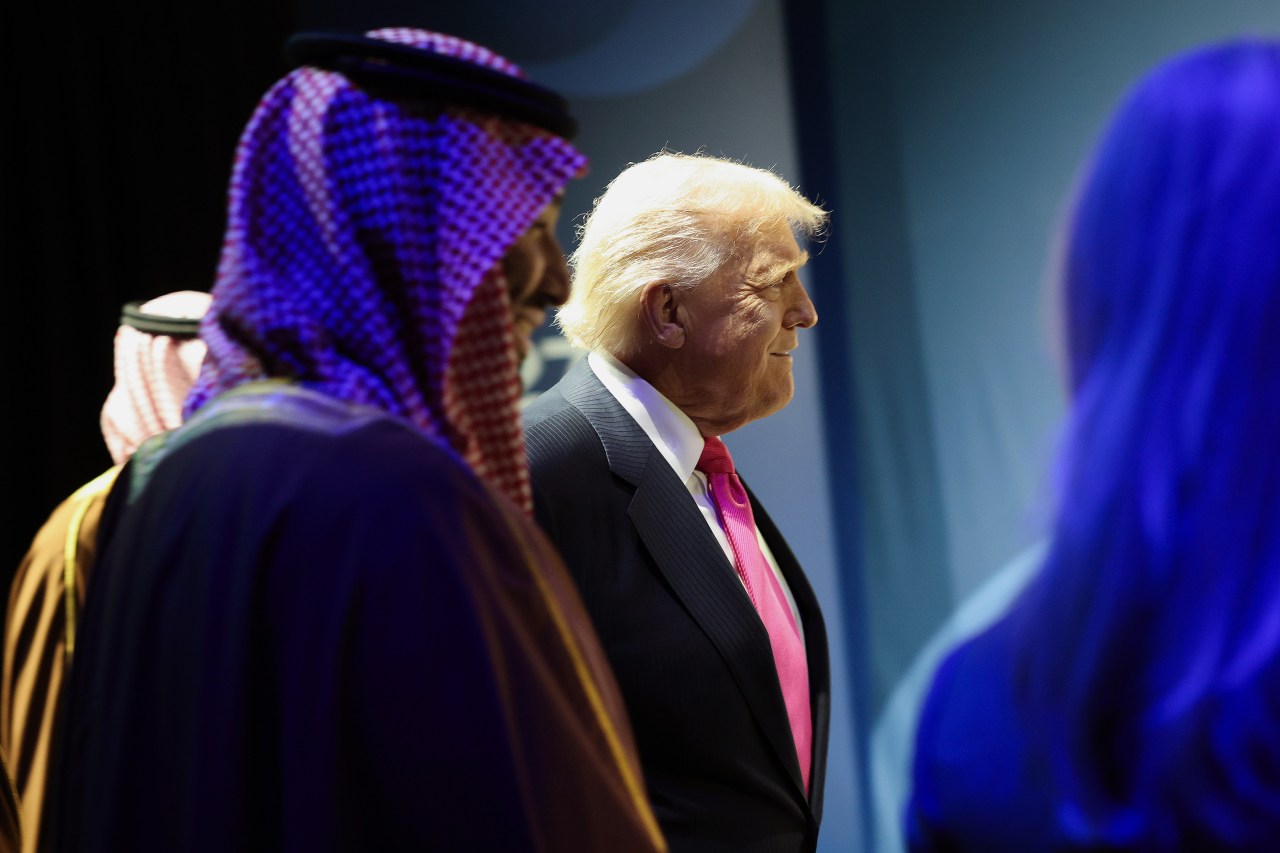
The U.S. government has approved a significant deal to sell advanced artificial intelligence (AI) chips to Middle Eastern nations, a move anticipated to bolster defense capabilities in the region. This decision follows high-level discussions between U.S. President Donald Trump and Saudi Arabia’s Crown Prince Mohammed bin Salman. The agreement is part of a broader initiative to enhance technological collaboration and security partnerships.
The deal, finalized in September 2023, reflects the growing importance of AI technology in defense and military applications. The AI chips are expected to enhance various systems, including surveillance and reconnaissance, aligning with the strategic interests of both the United States and its allies in the region. The specifics regarding the total value of the deal have not been disclosed, but it is anticipated to reach substantial figures given the advanced technology involved.
Strengthening Strategic Alliances
This development marks a continuation of the United States’ efforts to strengthen its alliances in the Middle East, particularly with Saudi Arabia. The discussions between Trump and bin Salman focused on enhancing mutual security interests and countering regional threats. The sale of these AI chips is seen as a pivotal step in reinforcing the defense capabilities of Saudi Arabia and other neighboring nations.
The AI chips being sold are designed for high-performance computing, enabling faster data processing and analysis. Such capabilities are crucial for modern military operations, where the ability to quickly assess and respond to threats can significantly impact national security. The integration of AI technologies into defense systems is a growing trend, with many countries seeking to upgrade their military capabilities.
Implications for the Defense Sector
Industry experts highlight that this deal could set a precedent for further technological exchanges between the U.S. and Middle Eastern countries. The defense sector is increasingly recognizing the importance of AI in military strategy, which can lead to more complex and capable systems. As nations vie for technological supremacy, partnerships like this one are likely to become more common.
Moreover, the sale may also stimulate the U.S. economy by boosting the domestic defense industry. Companies involved in the production of AI technology stand to benefit significantly from such international contracts. This could lead to job creation and innovation within the sector, further strengthening the U.S. position in the global defense market.
As the geopolitical landscape evolves, the implications of this deal extend beyond mere economic benefits. It underscores a commitment to collaborative security efforts and technological advancements that could reshape military engagements in the future. The focus on AI reflects a broader recognition of its transformative potential across various sectors, not just defense.
In conclusion, the approval of the sale of AI chips to Middle Eastern countries represents a strategic move by the U.S. to enhance regional security and foster closer ties with key allies. As technology continues to play a pivotal role in defense, such agreements will likely become increasingly vital in shaping the dynamics of international relations.