A longstanding family dynamic has come into focus as an individual expresses hurt over being excluded from a mother-in-law’s will. After 35 years of marriage, a woman from Colorado is grappling with feelings of neglect after her mother-in-law chose to designate a friend as the sole beneficiary of her estate, instead of including her daughter-in-law.
Mother-in-Law’s Decision Raises Concerns
The mother-in-law, who has no other living relatives, plans to leave her entire estate to her son, with the provision that it will be divided equally among his three adult children in the event of his passing. In a surprising twist, she named a neighbor as the beneficiary should all four family members predecease her. This decision has led to emotional turmoil for the woman, who feels that her contributions and relationship with her mother-in-law have been overlooked.
The daughter-in-law highlights her history of kindness and support, including sending flowers and cards on special occasions such as Mother’s Day and Christmas. She has assisted her mother-in-law with health issues and household tasks, fostering what she believed was a positive relationship. Despite these efforts, the neighbor, who regularly helps the mother-in-law with errands, was chosen over her.
Understanding the Emotional Landscape
The daughter-in-law questions whether her feelings are petty or unreasonable. She seeks validation for her emotional response, which many might find relatable. Not receiving acknowledgment in such a significant matter can evoke strong feelings, especially when one has invested time and care into the relationship.
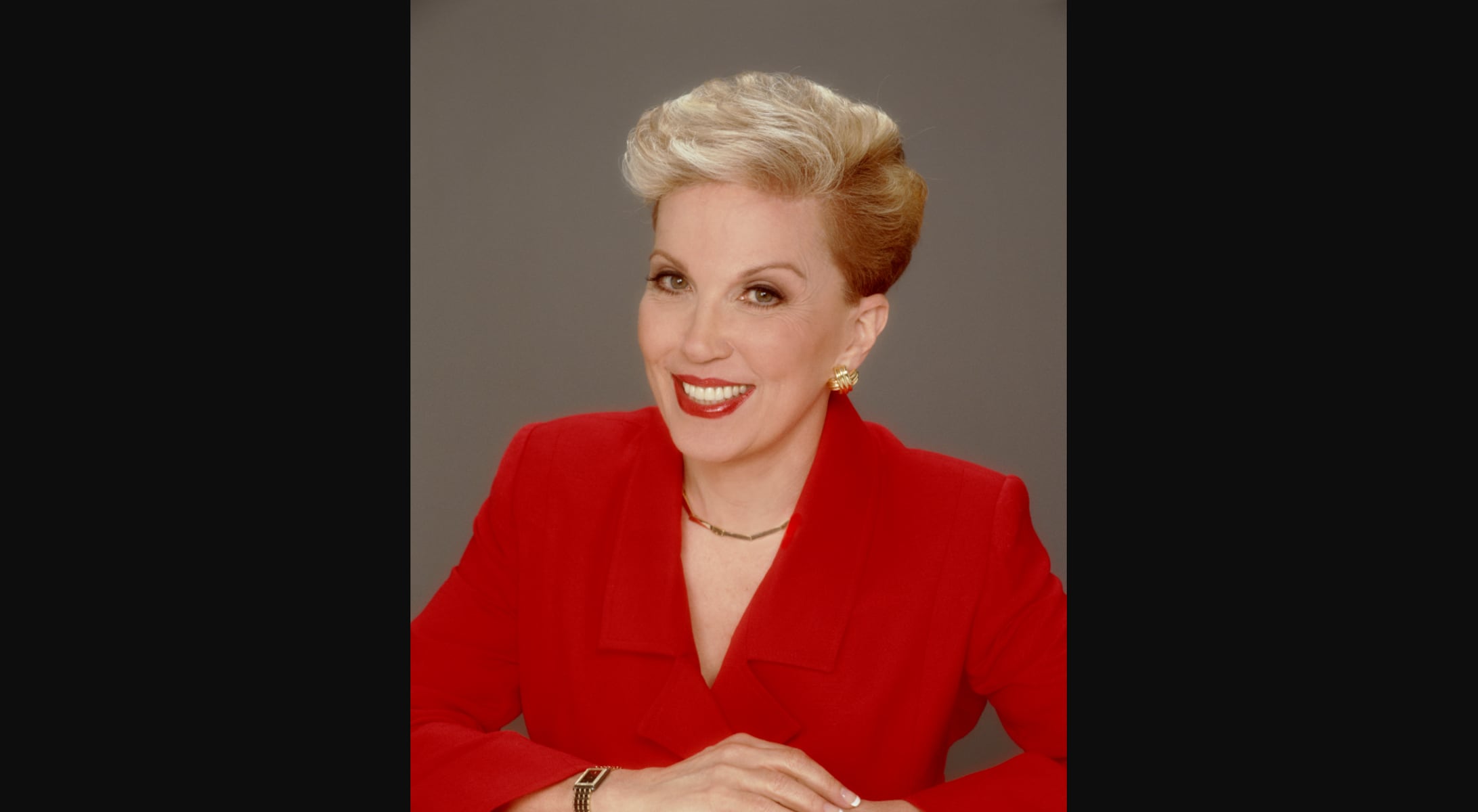
“It does appear to be a glaring omission, and under these circumstances, your reaction is understandable,” remarked Abigail Van Buren, known for her advice column.
In seeking resolution, she might consider discussing the matter with her husband. His perspective could provide insight into his mother’s intentions and the possibility that she simply overlooked her daughter-in-law when drafting the will. Open communication could pave the way for a better understanding of the situation.
This case reflects broader themes of family dynamics and the emotional complexities surrounding inheritance, illustrating how decisions made during estate planning can impact relationships in profound ways. As families navigate these challenging discussions, it is crucial to consider the feelings of all involved parties.
For more advice on navigating family issues, readers are encouraged to visit Dear Abby‘s official website at www.DearAbby.com, a platform founded by Abigail Van Buren and her mother, Pauline Phillips.