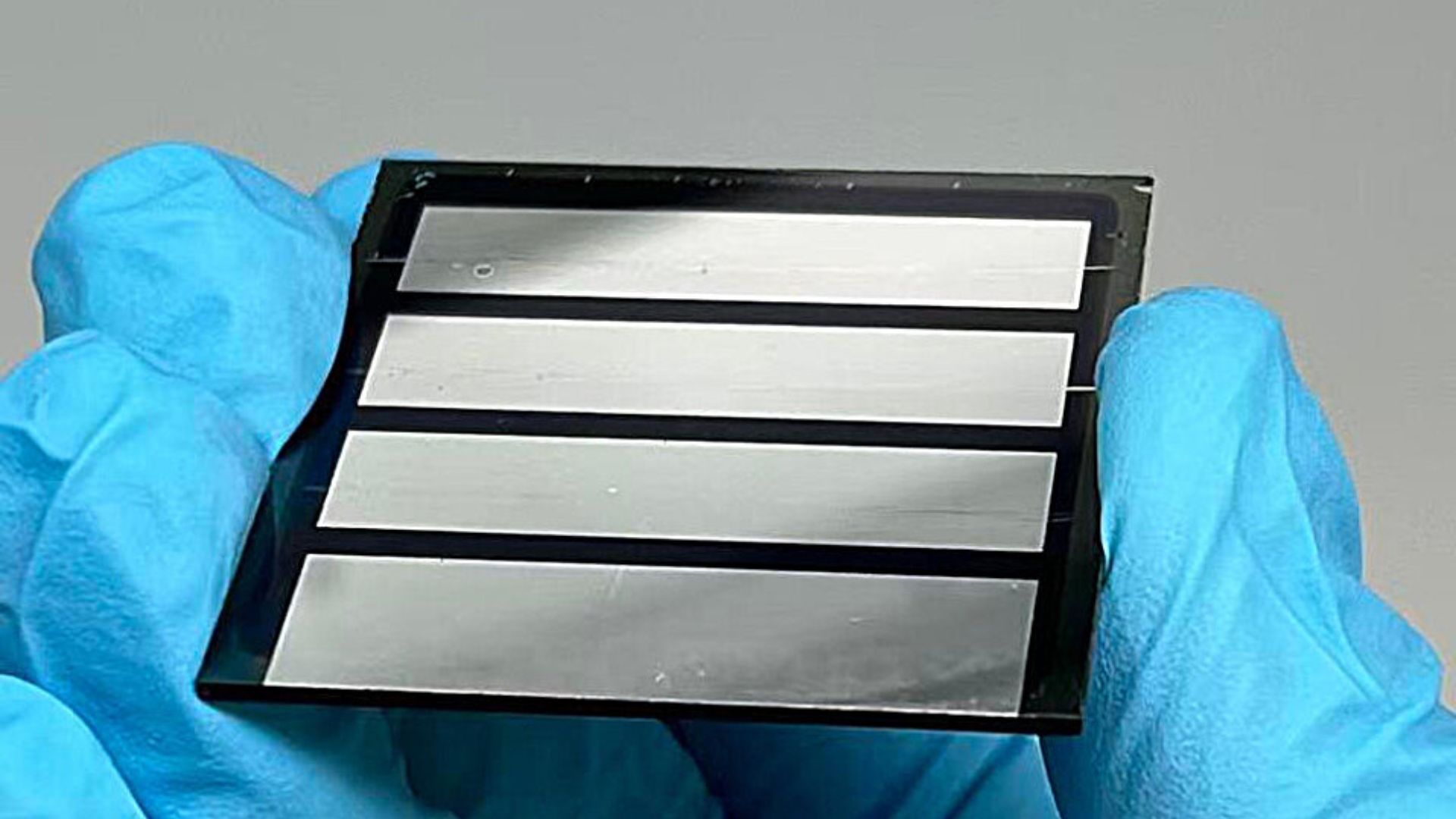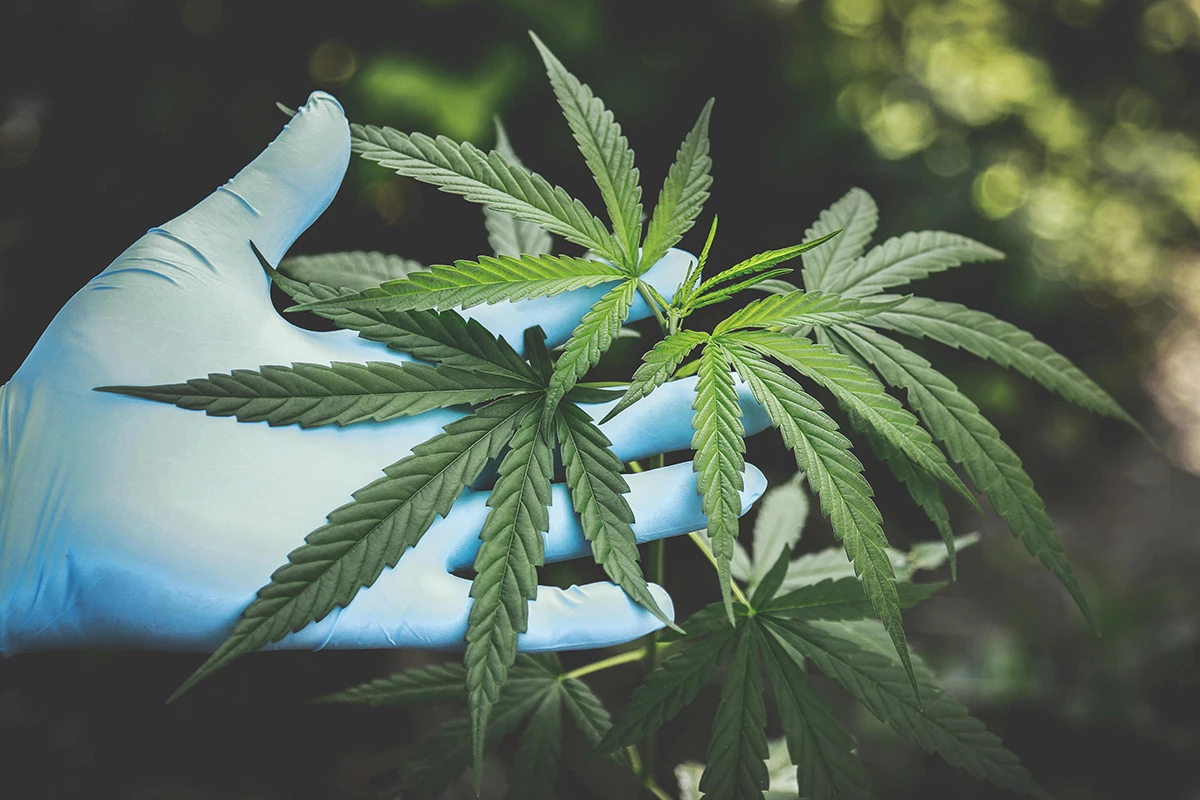
A team of biologists from the University of Adelaide has developed an innovative scanning device that can determine the potency of cannabis plants before they are harvested. This advancement is significant for both medical cannabis growers and industrial hemp farmers, as it helps ensure compliance with regulations regarding the levels of Tetrahydrocannabinol (THC), the psychoactive compound in cannabis.
Understanding the THC content is crucial, particularly for medical growers who risk violating legal limits if their crops exceed regulatory standards. Industrial hemp farmers also face strict THC thresholds, making this technology essential for maintaining compliance. According to Dr. Aaron Phillips, who led the study published in Industrial Crops and Products in March 2024, the ability to predict cannabinoid profiles weeks before harvest has “significant implications for cannabis production.” This innovation allows growers to enhance product quality, reduce costs, and prioritize plants with optimal cannabinoid content.
The researchers devised a leaf-scanning method that operates on intact fan leaves, providing instantaneous readings without the need for cutting samples. Traditional methods, such as high-performance liquid chromatography (HPLC) and gas chromatography coupled to mass spectroscopy (GC-MS), can be costly and labor-intensive, often requiring hazardous chemicals. The new technique, known as fan leaf hyperspectral reflectance (FLHR), utilizes specialized halogen lighting and a spectroradiometer to measure the light reflected from the leaves. This method captures data across 2,151 wavelength bands from a small area of the leaf, allowing for insight into its biochemical composition.
By employing machine learning models, the team can identify patterns in the spectral data that correlate with desirable cannabinoid concentrations. The models are trained using the spectral profiles of leaves and the actual cannabinoid concentrations produced by the flowers. To validate the accuracy of their predictions, the researchers used a “leave-one-out” validation scheme, ensuring that each plant’s data was tested against models developed from the remaining plants. This rigorous approach involved 70 plants in the study, confirming the model’s reliability under realistic growing conditions.
As the researchers continue to refine this technology, they aim to incorporate a broader range of genotypes and identify the earliest point in the growth cycle at which they can accurately predict cannabinoid content at harvest. Collaborating with the German spectral sensing firm Compolytics, they are working on miniaturizing the FLHR system into a device comparable in size to a supermarket barcode scanner.
In the future, Dr. Phillips expressed interest in testing their approach using drones, which could scan entire fields of hemp to identify plants exceeding legal THC limits. This innovative scanning technology not only promises to enhance the efficiency of cannabis production but also plays a vital role in ensuring that growers remain compliant with regulations, ultimately benefiting both the industry and consumers.