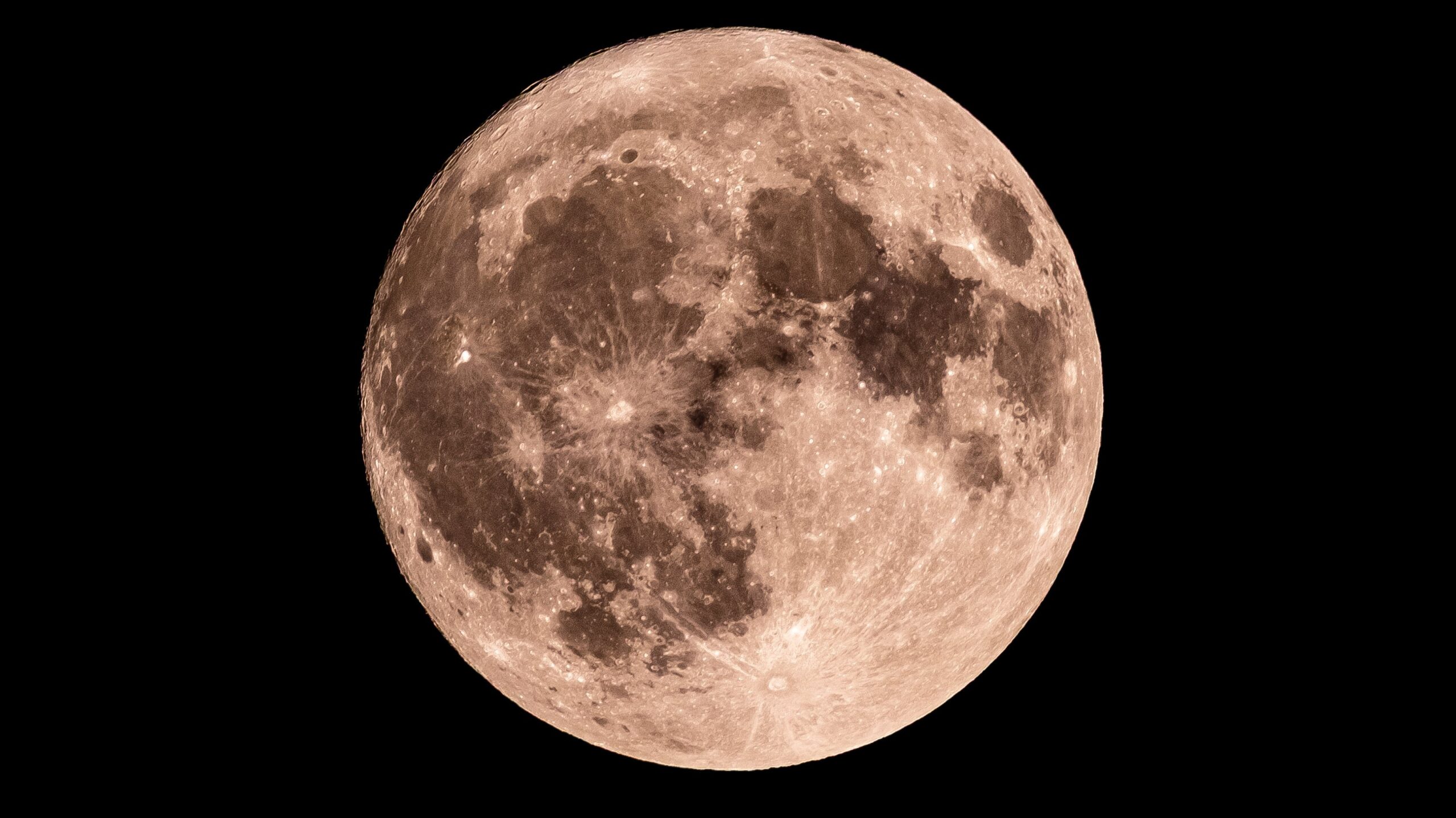
Stargazers can enjoy a bright view of the moon tonight, as it transitions into a waxing crescent phase. As of November 23, the moon is illuminated to about 10%, making it an excellent opportunity for moon-gazing enthusiasts. This phase follows several days of near-complete darkness, allowing for a clearer view of lunar features.
The waxing crescent provides a unique chance to observe prominent lunar features. Even without binoculars or a telescope, observers can spot the Fecunditatis Mare and Crisium Mare. For those equipped with binoculars or a telescope, the Endymion Crater can be seen in the upper right quadrant of the moon, or the lower left quadrant if viewed from the Southern Hemisphere.
Upcoming Full Moon and Lunar Phases Explained
The next full moon will occur on December 4, marking the final appearance in a series of three consecutive supermoons. The previous full moon took place on November 5. Understanding the various moon phases is essential for astronomy enthusiasts.
According to NASA, the moon undergoes a repeating lunar cycle lasting approximately 29.5 days. Throughout this cycle, the moon’s appearance changes as it orbits Earth. While the same side of the moon always faces our planet, the sunlight illuminating its surface varies, resulting in different phases:
– **New Moon**: The moon is positioned between Earth and the sun, rendering it invisible.
– **Waxing Crescent**: A small sliver of light appears on the right side.
– **First Quarter**: Half of the moon is illuminated on the right side, resembling a half-moon.
– **Waxing Gibbous**: More than half of the moon is lit but not yet full.
– **Full Moon**: The entire face of the moon is visible and fully illuminated.
– **Waning Gibbous**: The moon begins to lose light on the right side.
– **Third Quarter (Last Quarter)**: Half of the moon is lit again, this time on the left side.
– **Waning Crescent**: A thin sliver of light remains on the left side before the moon becomes dark again.
The waxing crescent moon offers an excellent opportunity for both amateur and seasoned astronomers to observe and appreciate the beauty of our closest celestial neighbor. As the lunar cycle progresses, enthusiasts can look forward to upcoming phases and the full moon experience next month.