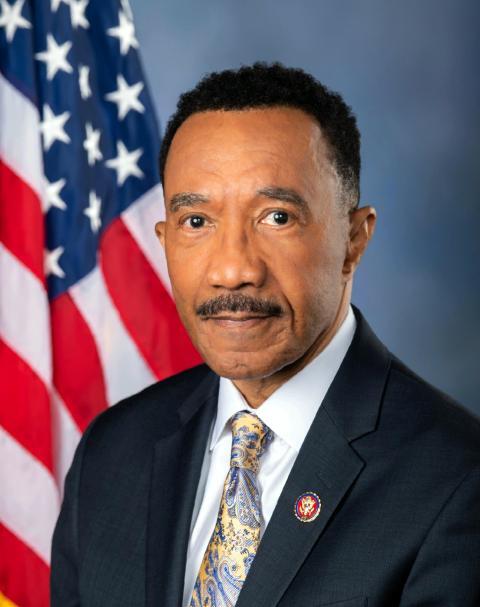
During a recent congressional hearing, Congressman Kweisi Mfume of Maryland articulated concerns that the ongoing debate over the rights of Washington, D.C. citizens is influenced by racial dynamics. Mfume stated that some believe the situation would differ if the affected population were predominantly white. He emphasized that the issue is deeply partisan, despite claims to the contrary, underscoring the need for equitable treatment across all demographics.
Mfume’s remarks come as Republicans continue to oppose measures aimed at expanding rights for D.C. residents. This opposition has sparked discussions about the implications of partisanship in policymaking, particularly regarding civil rights. His statements resonate within a broader historical context, as Mfume has long been recognized as a staunch advocate for civil rights.
Background on Congressman Kweisi Mfume
Kweisi Mfume was first elected to represent Maryland’s 7th Congressional District in 1986 and returned to Congress in 2020 following a special election to succeed the late Elijah Cummings. The 7th District has been a majority Black district since 1973. During his tenure, Mfume has served in various capacities, including as Chair of the Congressional Black Caucus from 1993 to 1995, and has been a pivotal figure in advocating for civil rights and social justice.
Prior to his congressional service, Mfume was a member of the Baltimore City Council from 1978 to 1986. His commitment to civil rights led him to resign from Congress in 1996 to become President of the NAACP, a position he held until 2004. Throughout his career, Mfume has sponsored numerous bills aimed at addressing critical social issues, demonstrating a consistent dedication to improving the lives of marginalized communities.
Current Legislative Efforts and Challenges
In the current congressional session, Mfume has been the primary sponsor of nine bills, reflecting his active engagement in legislative processes. He serves on the House Committee on Oversight and Government Reform, where he is the Ranking Member on the Government Operations subcommittee. His work includes addressing government transparency and accountability, particularly in federal operations affecting vulnerable populations.
Mfume’s focus on civil rights remains evident in his public statements and social media presence. He frequently uses platforms like Twitter to engage with constituents and share updates on legislative initiatives. Despite his limited appearances in mainstream media, his voice remains influential in discussions surrounding civil liberties and governmental oversight.
As the debate over D.C. rights continues, Mfume’s perspectives highlight the significant intersection of race, politics, and policy. His advocacy not only underscores the importance of representation but also calls for a more equitable approach to governance that recognizes the historical and systemic challenges faced by communities of color.
The conversation around D.C. citizenship rights is poised to evolve, and Mfume’s insights will likely play a crucial role in shaping the dialogue. Through his unwavering commitment to civil rights, he aims to ensure that all citizens receive fair treatment and representation in Congress.