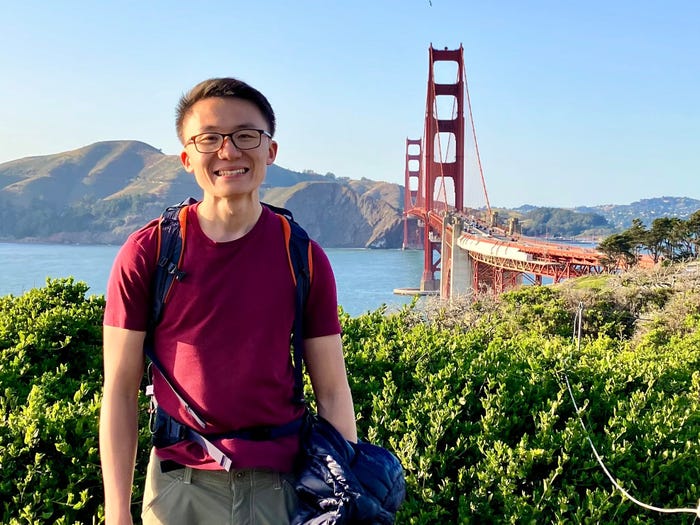
In a bold career shift, former McKinsey consultant Nathan Wangliao transitioned from a structured corporate environment to the dynamic world of startups, ultimately founding an AI-focused company, Havana, in Singapore. His journey reflects not only a personal evolution but also the challenges and insights that come with embracing risk in entrepreneurship.
Wangliao’s background at McKinsey, where he worked for just under three years, provided him with valuable skills that he later adapted to his startup endeavors. Initially joining the consultancy in the UK in 2018, he found inspiration in the diverse experiences of his colleagues. One of his managers, a former doctor, had left practice due to her disillusionment with the healthcare system, while another had transitioned from military service to consulting. These encounters ignited Wangliao’s desire to explore different paths.
The COVID-19 pandemic prompted a significant change. After moving back to Singapore, he found the remote work environment at McKinsey less fulfilling, particularly as the camaraderie he valued diminished. “I realized I was pushing off my desire to start something because it was hard to make a move during the pandemic,” he reflected. By 2021, at the age of 27, Wangliao left McKinsey to pursue a role at an emerging AI startup, where he led its go-to-market strategy.
The transition from a large corporate office to a coworking space with a small team was daunting. Wangliao remembers telling his co-founder that he might return to McKinsey because the uncertainty felt overwhelming. Despite raising substantial funds, doubts about the startup’s longevity lingered. Yet, this experience laid the groundwork for his eventual co-founding of Havana, which specializes in AI solutions for student recruitment.
Unlearning Old Habits and Embracing Risks
Wangliao’s journey has underscored the importance of managing one’s own psychology in the startup world. “The most important and hardest thing in a startup is managing my own psychology,” he stated. He emphasized that the ability to maintain morale is crucial when facing the inevitable challenges of entrepreneurship.
From his consulting background, Wangliao acquired skills in client navigation and organizational structure that have proven beneficial in running a startup. He learned how to efficiently run meetings and understand diverse stakeholder needs, particularly as Havana sells to larger institutions like universities. However, he also recognized the need to unlearn certain consulting habits, particularly the tendency to overanalyze decisions.
“In a startup, when you’re trying to make decisions, you’ll never have enough data,” he noted. “You just have to have the guts to do one thing.” Initially, he struggled with the decision-making process, often seeking excessive data and opinions before committing to a course of action. As he gained experience, Wangliao shifted his approach, becoming more comfortable taking risks and making swift decisions.
By conducting customer interviews early in the product development process, he and his co-founder sought to identify key pain points. This ambiguity, while challenging, led to the eventual launch of their product and facilitated customer acquisition. Wangliao now approaches decision-making with confidence, no longer feeling the need to possess all the answers before moving forward.
Cultivating Communication Skills as a Startup Founder
Another significant change for Wangliao has been in his communication style. At McKinsey, he received feedback to speak up more during meetings to ensure his contributions were recognized by senior leaders. In contrast, as a startup founder, engaging with customers daily requires him to articulate his vision clearly and assertively.
“Do you have a story to share about building a tech business in Asia?” he encourages, highlighting the importance of sharing experiences within the entrepreneurial community. Wangliao’s journey illustrates the transformative power of leaving behind familiar comforts to embrace the unknown, ultimately leading to personal growth and the creation of innovative solutions in the AI landscape.
Through his experiences, Nathan Wangliao exemplifies how transitioning from a corporate role to startup life can foster resilience, adaptability, and a willingness to take calculated risks. His story serves as an inspiration for aspiring entrepreneurs navigating the complexities of the business world.