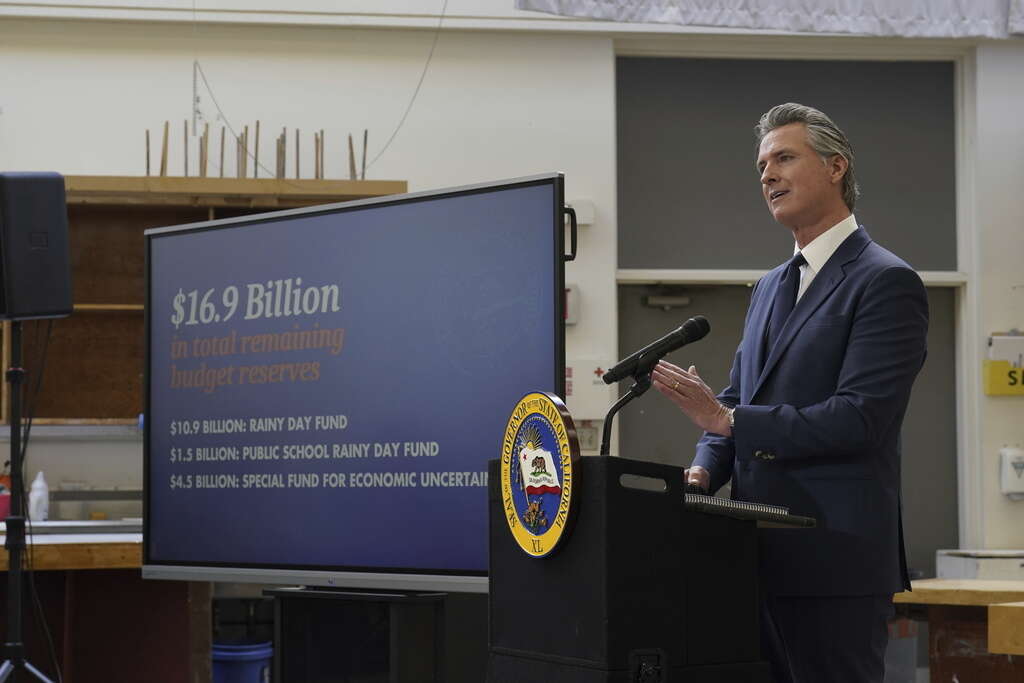
California Governor Gavin Newsom has unveiled his final budget proposal, calling for an unprecedented $248 billion in general fund expenditures. This figure marks a significant increase from his initial budget of $144 billion when he took office in 2019. As the state grapples with rising costs and ongoing economic challenges, many are questioning whether this surge in spending is yielding tangible benefits for Californians.
In his budget announcement, Newsom asserted that previous state investments have improved the lives of millions. He highlighted achievements such as ensuring children have access to nutritious meals, expanding college opportunities, and addressing climate change through innovative technologies. “Because of what we have built and protected in past state budgets, millions of Californians are better off today,” he stated.
Despite these claims, significant issues persist. The Public Policy Institute of California reports that the poverty rate in the state has risen, from 16.4% in 2019 to 16.9% by 2023 when using its own poverty measure. This trend continues even after extensive COVID-19 relief spending. According to the U.S. Census Bureau, California’s supplemental poverty rate stood at 17.7% in 2024, which translates to nearly 7 million residents living in poverty—significantly higher than the national average.
Even as Newsom points to improvements in childhood nutrition as a means to bolster education, the evidence suggests otherwise. Academic performance among K-12 students has declined under his leadership. In the 2018-19 school year, 51.1% of students met or exceeded state reading standards, but this figure fell to 48.82% by 2023. Math scores similarly dropped from 39.73% to 37.3% during the same period.
The governor’s claims regarding climate initiatives and housing affordability also face scrutiny. Energy prices, housing costs, and homelessness rates have all increased, with no significant progress reported in combating the effects of climate change, as evidenced by persistent wildfires throughout the state.
Public sentiment reflects these concerns. A recent survey by the Public Policy Institute of California revealed that 55% of residents prefer lower taxes and fewer government services, indicating a desire for a more efficient use of state resources. In contrast, 44% support higher taxes for expanded services. This disconnect suggests that many Californians may not perceive the benefits of the increased spending.
As Newsom prepares to leave office, he faces the challenge of a projected structural budget deficit. Although the budget is balanced for the 2026-27 fiscal year with a $4.5 billion discretionary reserve, it anticipates a deficit of approximately $22 billion in the following fiscal year, with shortfalls expected in subsequent years. This looming deficit raises concerns about the sustainability of California’s financial future.
In summary, while Newsom’s administration has overseen significant increases in state spending, the effectiveness of these expenditures remains in doubt. As Californians reflect on the governor’s tenure, it is clear that the relationship between government spending and improved societal outcomes is complex and warrants further examination.