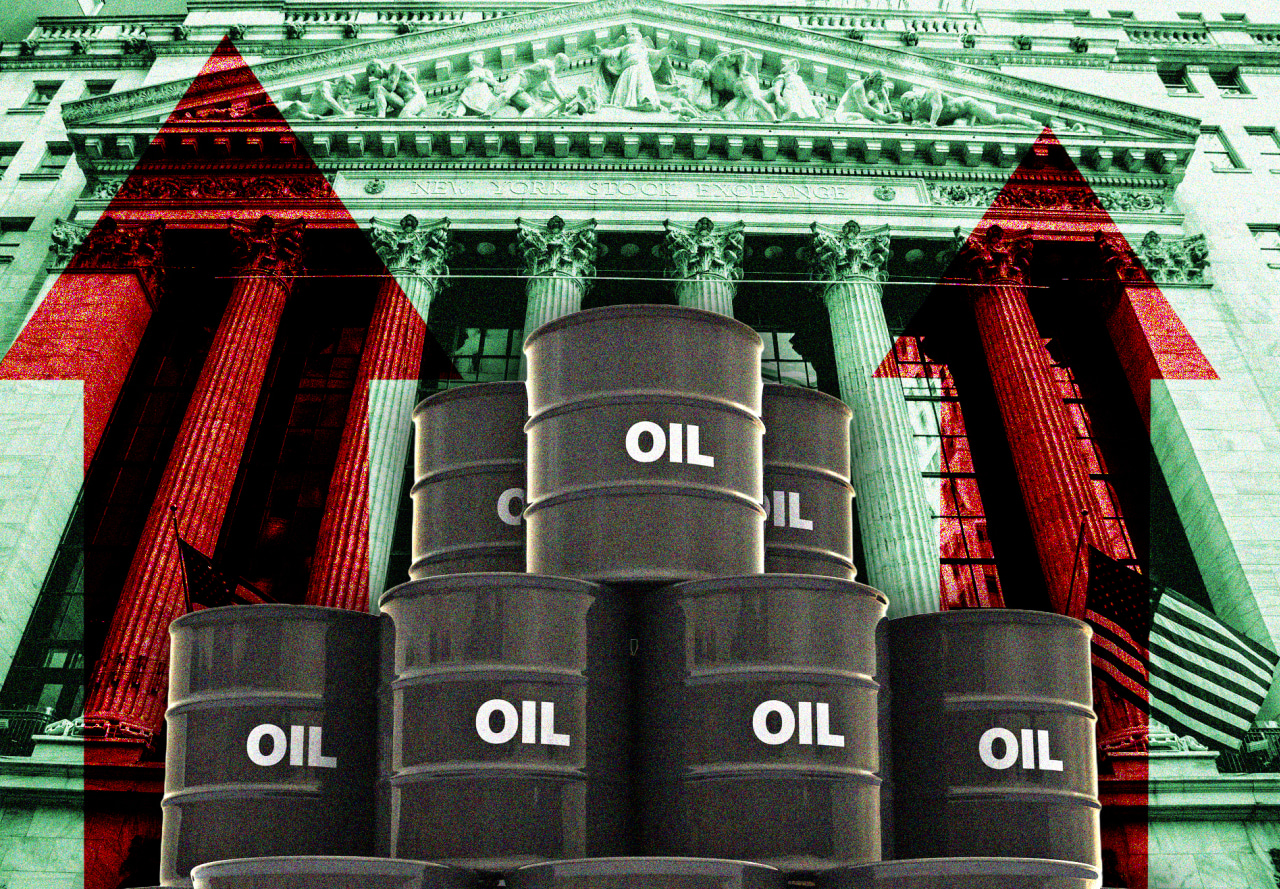
Oil prices have risen sharply, prompting significant attention from investors globally. This increase is anticipated to have profound effects on stock markets, given the critical role oil plays in the global economy. In August 2023, Brent Crude reached approximately $90 per barrel, while West Texas Intermediate (WTI) hovered around $85 per barrel. These price levels have not only caught the eye of traders but also raised concerns among economists regarding inflation and energy costs.
The implications of rising oil prices extend beyond the energy sector. Higher costs for oil can lead to increased transportation and manufacturing expenses, ultimately affecting consumer prices. This situation creates a ripple effect that can influence central bank policies and investor confidence. As businesses face mounting operational costs, stock prices may experience volatility, reflecting fears of reduced profitability.
Market Reactions and Economic Indicators
Investors are reacting to these developments by closely monitoring energy stocks and related sectors. Companies in the oil and gas industry often see their stock prices rise in tandem with increasing oil prices. According to the International Energy Agency (IEA), global demand for oil is projected to increase, further fueling these price hikes. In contrast, sectors heavily reliant on oil, such as transportation and logistics, may experience downward pressure on their stock values.
The Organization of the Petroleum Exporting Countries (OPEC) has also been a crucial player in this scenario. Their decisions regarding production cuts or increases can significantly impact oil supply and prices. Recent discussions among OPEC members have centered on managing output levels to stabilize prices, highlighting the interconnectedness of global markets.
Broader Economic Impact and Future Outlook
The rise in oil prices is a double-edged sword for economies. While it can benefit oil-exporting nations, it poses challenges for many others, particularly those heavily reliant on imported oil. Countries such as the United States may find themselves grappling with inflationary pressures as energy costs increase. Analysts predict that if oil prices remain elevated, central banks may be forced to adjust interest rates, impacting borrowing costs and economic growth.
Looking ahead, investors are urged to stay vigilant. The interplay between oil prices, stock market performance, and broader economic indicators will likely remain a focal point in the coming months. With geopolitical tensions and supply chain disruptions continuing to shape the global landscape, the situation remains fluid.
In summary, the recent surge in oil prices is a critical development for investors, economists, and policymakers alike. As the market reacts to these changes, the potential for volatility in stock prices and economic slowdowns remains a pressing concern.